US election: Round 1 of voter suppression a draw
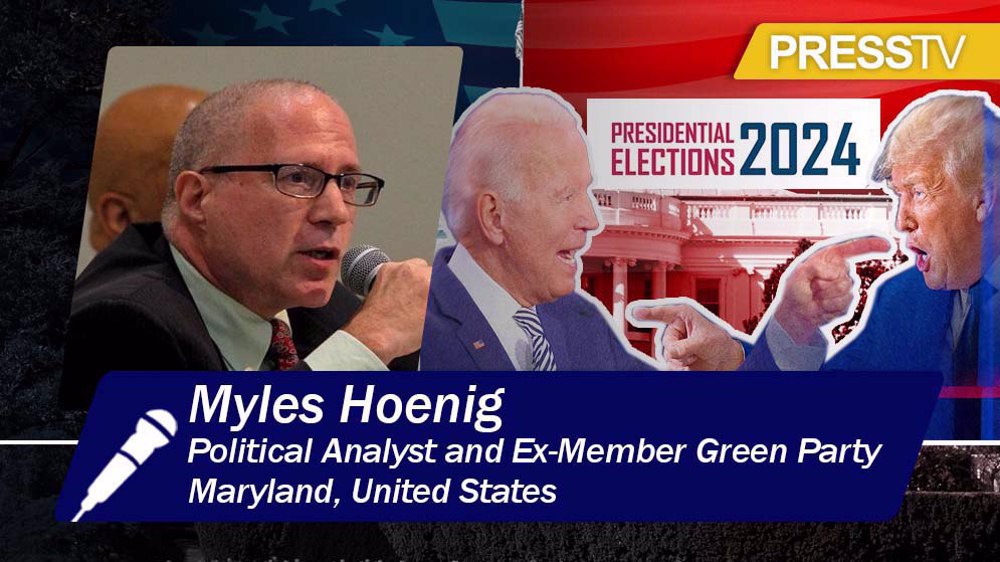
By Myles Hoenig
Trump might have a case that a governor can’t change election laws on his or her own. That is up to the courts. But is it up to the president to sue on a state matter? What does matter is the motive behind Trump’s actions. He is doing everything within his power to suppress the vote, and especially in states that are likely to go against him or swing states. His voters are more likely to ignore health warnings and vote in person whereas people who recognize the serious health concern about such voting in large numbers are likely to vote against him, heeding the call of not just Dr. Fauci but also Democratic nominee Biden.
Both parties work to suppress the vote. The Republicans do it on a national level and target urban centers, people of color, and the poor. The Democrats suppress voters in their own party’s elections, targeting progressive candidates. Sanders’s own district of Brooklyn was heavily targeted in 2016. New York State purged 200,000 voters there with full knowledge that it would cut sharply into Sanders’s base during the primary. Other states that favored Sanders were also targeted, including reducing the number of voting places.

We’re also seeing that as authoritarian and despotic Trump is, he is not omnipotent. The mere threat of 20 state attorney generals suing him regarding his attacks on the postal service during an election season was enough to have his surrogate Louis DeJoy pull back on his obvious plans of postal suppression. It wasn’t done, though, in enough time to stop the destruction of postal sorters and mailboxes.
There’s no doubt that Trump will succeed in some suppression, in some other way, and like attacking the postal service, in new and innovative ways. But this could also backfire. Those Americans who do vote, and that’s only about half of all who’s eligible, take their voting seriously, and any attempt by either party to prevent that does not look good.
First round is a draw. He destroyed some capabilities of voting, but prevented from carrying out his full plan. We have only two more full months to go and whether there’s an October surprise or not, we’ll just have to wait and see.

Myles Hoenig is a political analyst in Baltimore, Maryland. He ran for Congress in 2016 as a Green Party candidate.

Biden set to lose re-election over his genocidal policy in Gaza: US journalist
Frightful Biden-Trump rematch planned for November: Analyst

US Empire controlling people's minds to maintain hegemony: Scholar



‘Trump authorized Epstein’s death’; ‘love for young girls’: Accusations infest new Epstein files
Libya’s army chief killed in Ankara plane crash after high-level talks with Turkish officials
Israeli settlers tear gas 3 Palestinian children in attack on West Bank home
‘He raped me’: New trove of Epstein files reveals why Trump tried to bury them
Iran halts gas exports to Iraq amid surge in domestic demand
Belgium files to intervene in South Africa’s ICJ genocide case against Israel
Netanyahu appears in court for 65th time in ongoing corruption trial
Iran's government submits $111bn budget bill for year 1405


 PressTV NEWSLETTER
now
PressTV NEWSLETTER
now

 This makes it easy to access the Press TV website
