Over 120 journalists still in jail in Turkey: Press watchdog

An international press watchdog says more than 120 journalists are behind bars in Turkey well over a year after Ankara lifted a two-year state of emergency.
The International Press Institute (IPI) announced the figure in a report on Tuesday, but added that the number had fallen from a high of more than 160.
“Behind those figures lies a story of egregious violations of fundamental rights, with dozens of journalists held on the most serious terrorism-related charges for months, sometimes years, pending trial, in many cases without an official indictment,” it further said.
International civil society groups including IPI, @hrw, @article19europe, @IndexCensorship, @EFJEUROPE, @RSF_inter stand up for #pressfreedom outside the @EUparliament in Brussels.
— IPI (@globalfreemedia) November 19, 2019
120+ journalists are still behind bars in #Turkey. They all must be freed #FreeTurkeyJournalists pic.twitter.com/cx78IP93HI
Ankara declared a three-month state of emergency in July 2016, a few days after a military coup attempt to oust President Recep Tayyip Erdogan failed.
The Turkish government repeatedly renewed the state of emergency over the next two years. It eventually lifted the measure in July last year.
During the two years since the failed coup, Turkish authorities either sacked or suspended 150,000 judges, academics, military officers, civil servants, and others on suspicion of backing US-based opposition cleric Fethullah Gulen, accused by Ankara of masterminding and orchestrating the putsch attempt.
More than 77,000 people were jailed pending trial.
Gulen has denounced the “despicable putsch” and reiterated that he had no role in it.

Journalists were put behind bars “as a consequence of an extended, politically motivated crackdown against the media,” the report said, adding that Turkey has been the world’s “undisputed leading jailor of journalists” for almost a decade.
There was no immediate reaction from Ankara.
The Turkish government has said in the past that the detentions, sackings, and suspensions were necessary to safeguard national security, given that the country has faced attacks from Kurdish militants and Takfiri terrorists.
However, critics say the Turkish president has used the failed coup as a pretext to clamp down on dissent and boost his grip on power, a charge Ankara strongly denies.

Turkey seeking to deploy radars in Syria to dismay of Israel: Reports
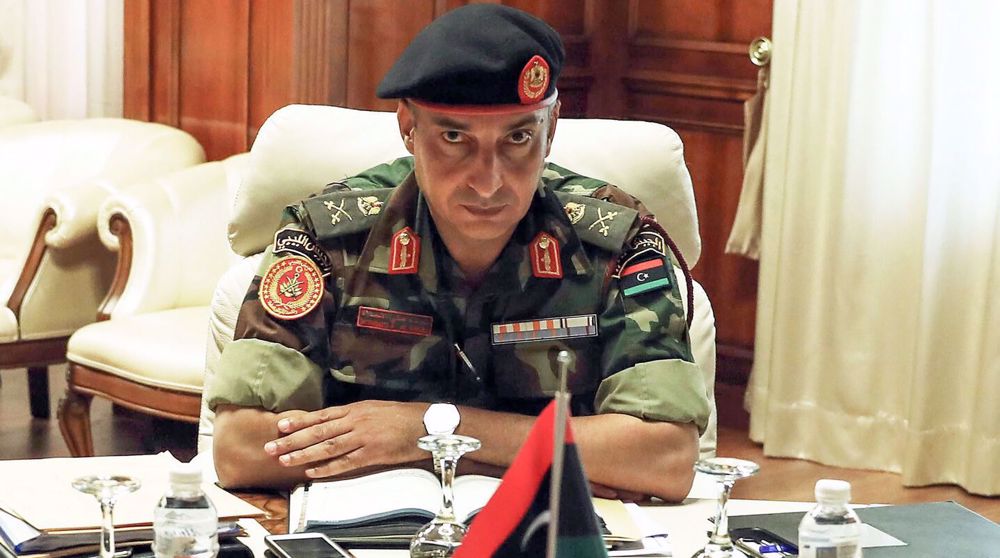
Libya’s army chief killed in Ankara plane crash after high-level talks with Turkish officials
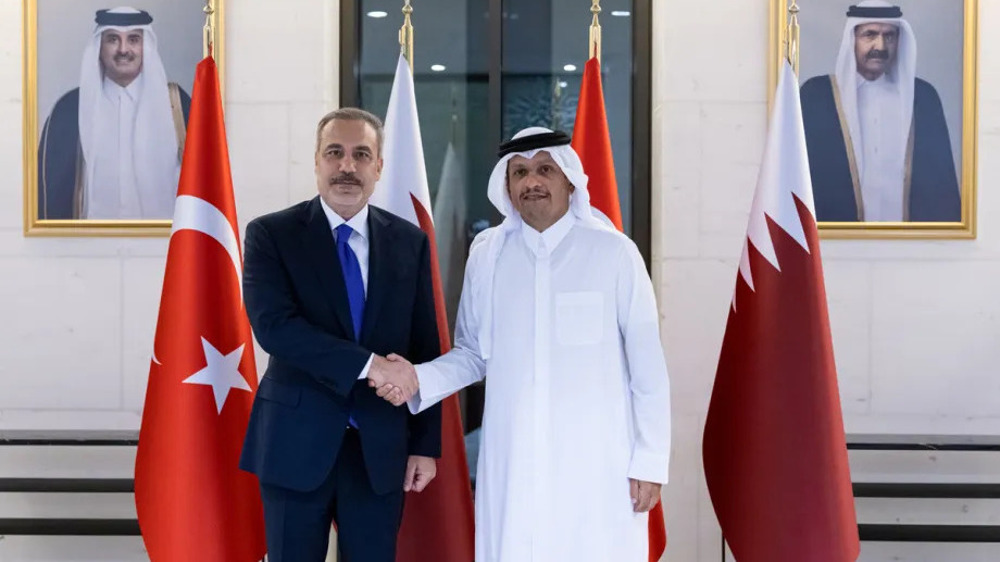
Turkey excluded from Gaza conference in Doha due to Israeli veto: Report


VIDEO | Press TV's news headlines
VIDEO | Israeli forces launch wide-scale military operation in Qabatiya, south of Jenin
Trump-backed push brings Jolani regime, Israel closer to deal: Israeli media
VIDEO | Iraqi govt. rejects any kind of normalization with Israeli regime
VIDEO | Venezuela's medicine prices soar to unaffordable level amid US blockades
Somalia officially demands Israel reverse recognition of Somaliland
Hezbollah condemns deadly terror attack on worshippers in Syria’s Homs
VIDEO | US military build-up in Caribbean


 PressTV NEWSLETTER
now
PressTV NEWSLETTER
now

 This makes it easy to access the Press TV website
