Kuwaitis to go to polls to choose new lawmakers

People in Kuwait are set to elect a new parliament weeks after the old assembly was dissolved amid a dispute between lawmakers and the government over increased fuel prices.
The Kuwaitis will head to the polls on Saturday to choose 50 legislators from among some 300 candidates.
The election campaign has seen heated debates on economy among other issues such as political reform and civil rights.
Emir Sheikh Sabah al-Ahmad Al Sabah, the 87-year-old ruler of Kuwait, dissolved the old parliament in October, citing “security challenges” caused by parliamentary debates over subsidies.
The decision came after members of the legislature pressured the government over fuel price hikes of around 80 percent.
The government argued the increase was part of its austerity measures required to plug a budget deficit resulting from low oil prices.
The upcoming snap polls are seen as crucial for the political future of the oil-rich Persian Gulf kingdom as they will see the return of opposition groups after a four-year boycott.

Political analyst Anwar al-Rasheed predicted that “between 70 percent and 90 percent of the outgoing lawmakers will not be re-elected because the voters are very upset with their performance.”
He said the dissolved chamber adopted a host of highly controversial and repressive laws, including restrictions on online freedom.
Kuwait, which sits on seven percent of the world’s proven crude reserves, is totally dependent on its oil revenues to bill its expenses.
The government partially lifted subsidies on fuel in September, causing the political dispute in the country.
The government had secured the backing of the old legislature to cut electricity and water subsidies to expats and businesses.
Under Kuwait's constitution, there are no political parties in the kingdom and regardless of who wins in the polls, the next prime minister will be a senior member of the Al Sabah ruling monarchy.
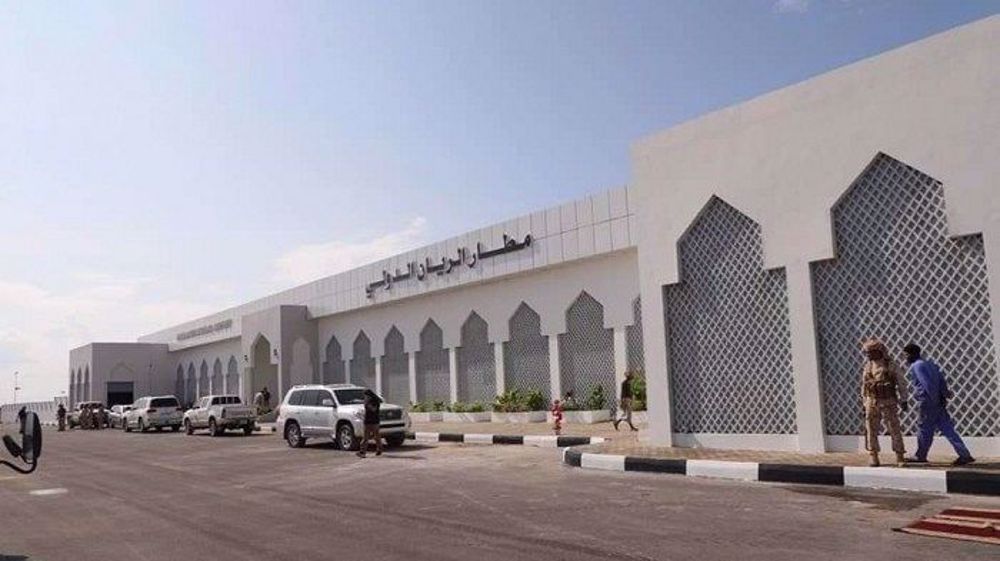
Yemen’s Saudi-backed PLC slams UAE for running secret prisons; Abu Dhabi denies
UAE’s state oil company weighs major investment in Venezuela’s gas: Report
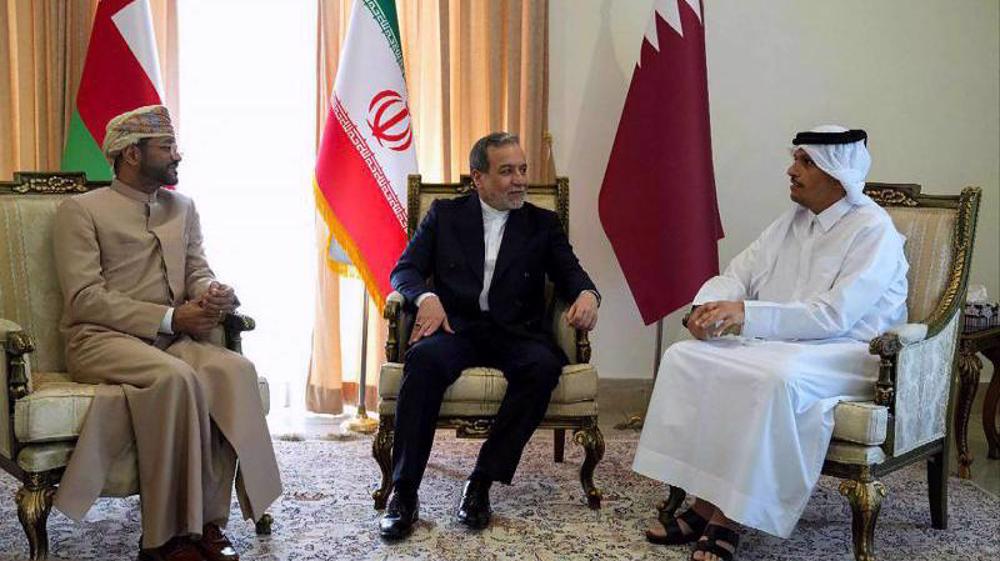
Persian Gulf states warn US strike on Iran will plunge region into turmoil



South Korean civic leaders demand peace with North
VIDEO | Iran foreign-backed terrorist attacks: Italian diplomats decry US-Israel interference
VIDEO | Israel demolishes UNRWA structures in East al-Quds
VIDEO | Press TV's news headlines
VIDEO | 100+ days of ceasefire: Israeli killing of Palestinians continue amid Intl. silence and impunity
VIDEO | EU split over new Iran sanctions amid claims of double standards
VIDEO | Gaza’s silent plague: Mysterious virus claims lives amidst total medical collapse
VIDEO | Growing transatlantic rift




 PressTV NEWSLETTER
now
PressTV NEWSLETTER
now

 This makes it easy to access the Press TV website
