Vote counting underway after Ireland general elections

Vote counting has kicked off in the Republic of Ireland as exit polls after the general elections show a significant decline in support for the ruling coalition government amid a wave of austerity anger.
Authorities said the counting process kicked off at 9:00 a.m. local time on Saturday morning after polling stations closed across the country at 22:00 on Friday night.
The results are expected to be released next week.
Reports say the voter turnout in the Friday general elections was about 66 percent. About three million people were entitled to vote in 40 constituencies.
Two exit polls indicated that both Prime Minister Enda Kenny’s center-right Fine Gael and its Labour partner have suffered huge losses in the elections as Irish voters are feeling the pain of economic woes and years of austerity policies.
According to the polls, the two parties would only secure between 55 and 68 seats, far short of the 80 needed to win a second term.
“It’s a very disappointing day from the government’s point of view,” said Tom Curran, Fine Gael’s general secretary, adding that “If the exit polls are right... we will fall far short of being able to form a government.”
Earlier, an exit poll by the Irish Times found that Kenny’s liberal-conservative party Fine Gael would remain the largest party with 26 percent. It also predicted the main opposition, the Fianna Fail, would be close behind with 23 percent.

The Sinn Féin party was also put at 15 percent, well ahead of Labour party, the junior coalition partners, with eight percent.
The polls suggested that there would be a parliament with Fine Gael expected to win the largest number of seats.
Analysts say such an outcome would leave a deadlock and an unprecedented unstable alliance between rivals in the two parties.
Kenny has also rejected a coalition with either party over what he called deep disagreements on ethics and economic policy.
This comes as people have been staging protests against the government’s austerity measures. Many voters had pledged to punish the government for the economic hardships the country is going through.
Ireland has adopted austerity measures in order to compensate for the 67.5-billion-euro (75.1-billion-dollar) bailout it received from the troika of international lenders - the European Central Bank, the European Commission and the International Monetary Fund – back in 2010.
The new policies have greatly affected the public services and increased the rate of unemployment in the country.
Dublin also introduced new water charges recently, costing single households 160 euros (178 dollars) and others 260 euros (289 dollars) a year.

European and Ukrainian revisions to US proposals hindering peace efforts: Russia
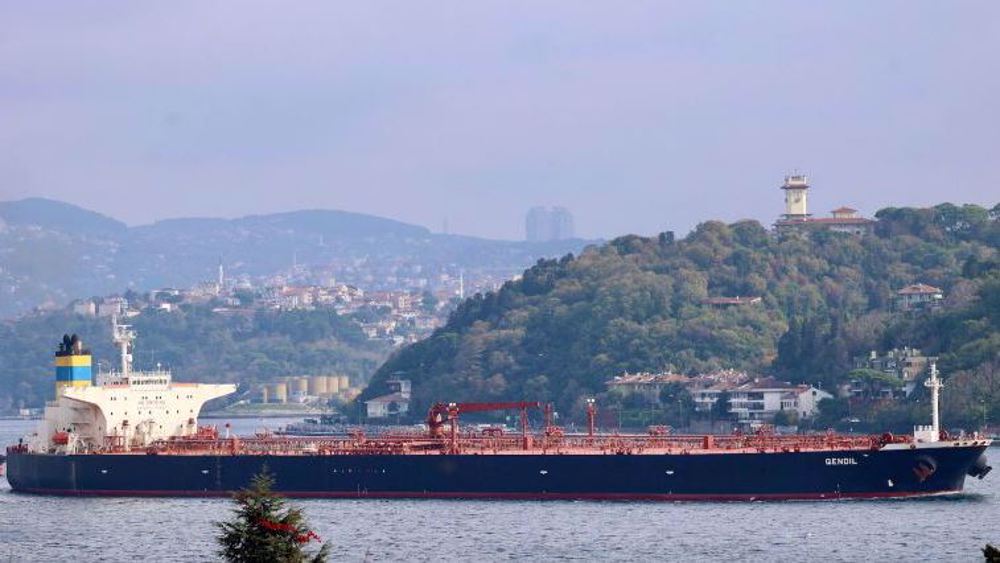
Ukraine says strikes Russian ‘shadow fleet’ in Mediterranean
Assange files criminal complaint against Nobel Foundation over Machado’s prize



Two Palestine Action hunger strikers hospitalized amid rising health concerns
US weighs sanctions against Spanish ships over blocked arms shipment to Israel
Medicine shortages in Gaza reach alarming levels amid Israeli siege: Health ministry
Nigeria says 130 schoolchildren abducted by terrorists freed
Israel to ‘permanently’ arm 10,000 reserve forces after al-Aqsa Flood lessons: Report
VIDEO | Press TV's news headlines
VIDEO | No war for oil: Londoners protest US bullying Venezuela
VIDEO | French MP demands inquiry into arms sales to Israel




 PressTV NEWSLETTER
now
PressTV NEWSLETTER
now

 This makes it easy to access the Press TV website
