Military failure in Yemen led Saudis to talks: Analyst
Press TV has conducted an interview with Seif Da’na, a professor with the University of Wisconsin from Chicago, to get his take on the Ansarullah movement’s participation in the UN-mediated peace talks in the Swiss city of Geneva.
The following is a rough transcription of the interview.
Press TV: What do you make of these talks specifically under the dark shadow of the Saudi aggression, which is continuing in Yemen?
Da’na: Well, what is really interesting is that we’re calling them talks, we’re not talking about negotiations here and they will be proxy talks. So, each party will be in separate room and the UN envoy will be shuttling between theses rooms. But essentially for the last over 70 days now, the Saudi military campaign essentially failed to achieve anything. As a matter of fact, and they call it of course any concessions from Ansarullah and the Yemeni army to the contrary actually the Yemeni army and Ansarullah have been advancing all along. And recently in the last week we could see actually encroachment into the Saudi areas. And just last night, there were reports about the killing of the commander of the Saudi air force. So, Saudi Arabia has nothing to show in the field. Actually they lost, they felt miserably in the field, militarily I mean, and by implication they know that they would have to pay the price in the negotiations, and that’s why they insist that it should be talks. They cannot be all source of preconditions that’s why in the first attempt to actually bring all Yemeni groups together, there were Yemeni factions together, for the first time in Geneva that was last month, the pressure of Saudi Arabia are using their puppet essentially the former president Hadi and his government in Saudi Arabia, basically to thwart the meeting and they managed to do that. Essentially, they failed to reach anything militarily and they’ve realized at this point. They cannot achieve anything diplomatically, despite all the support they get from the West and other countries.
Press TV: As you’ve just said, the aggression has not borne any results for Saudi Arabia. Also, these talks are one of chances basically at starting those first steps towards a peaceful resolution to the internal issues of Yemen. So why does Saudi Arabia continue to influence these talks in a way that would be detrimental?
Da’na: Well, Saudi Arabia historically has been interested in the hegemony over Yemen. Essentially, the idea of having a republic next to a monarchy in the Arab region, in that area is a threat to the Saudi Arabia. And Saudi Arabia has been losing money, loyalties and even weapons all along even in the 60s and they continue to do that to maintain some sort of hegemony over Yemen. And now, we reached a very good agreement between the Yemeni parties before Hadi fled to Saudi Arabia and before he actually obstructed and thwarted implementation of that agreement. For the first time, we have groups in any Arab country coming up with an agreement that entails so meeting the peoples’ social demands. And this is what Saudi Arabia cannot really stand, because that would actually spill over into Saudi Arabia and the people of Saudi Arabia want to see something good happening in Yemen, and they would want something similar, and that actually affects the whole region. So, what they’re doing is they’re trying to maintain hegemony over Yemen. They failed, because Yemen changed and now they’re using the military power. But what we basically have at this point is not really negotiations and unfortunately the success is very slim. What we have is talks. Hopefully, the UN envoy is hoping to bring at the end of talks, hoping to bring the various Yemeni parties into the negotiation table to discuss these issues.
ABN/
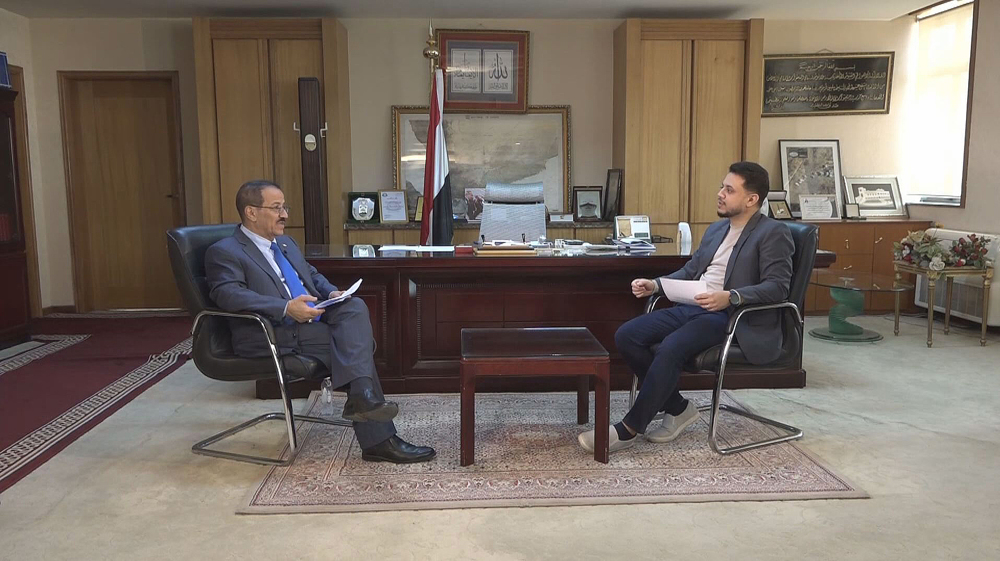
Exclusive: Attacks on Israel-bound ships in Red Sea ‘a pure Yemeni decision’
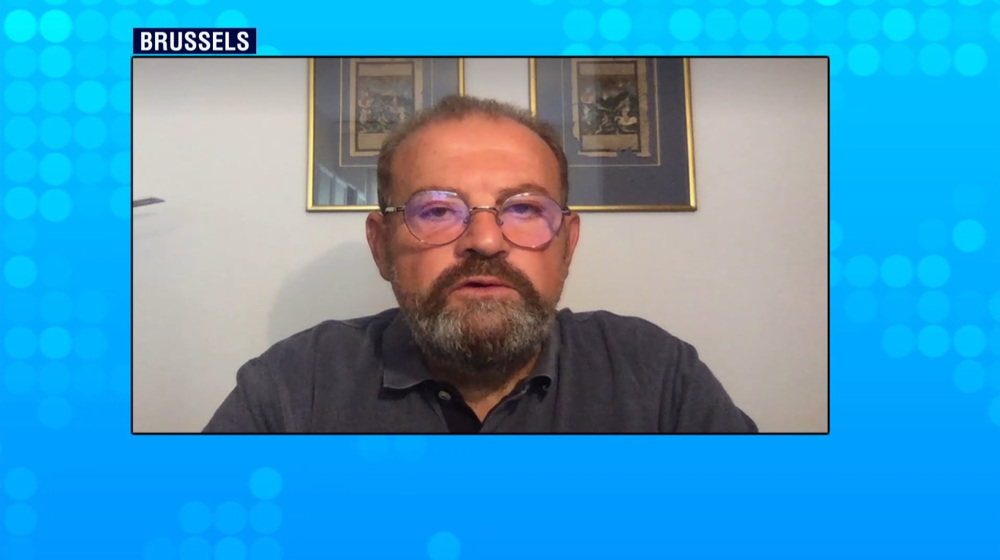
Journalist: US must take first step to revive Iran deal
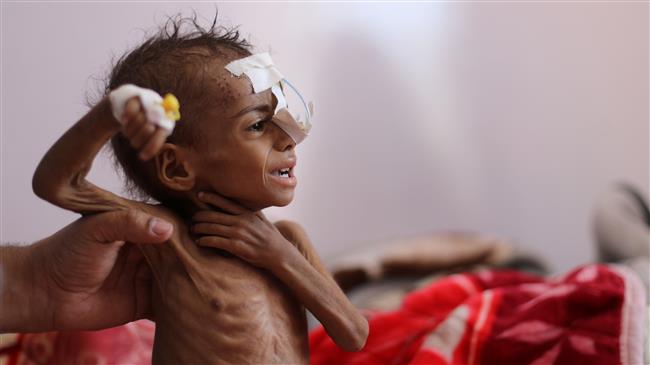
UN Security Council contributed to Yemen conflict: Commentator


VIDEO | Trump's Iran blunders
Senior cmdr. strongly warns Trump following rhetorical remarks concerning Leader
EU Parliament halts US trade deal after Trump tariff threat
VIDEO | An unchecked presidency
VIDEO | Deportations strain Afghanistan’s fragile economy
‘Full-scale atrocity’: Iran security body reports 2,427 martyrs in US-Israeli-led riots
Smallest coffins are the heaviest: The three youngest victims of foreign-backed riots in Iran
Hamas warns of ‘systematic Israeli violations’ as Gaza ceasefire teeters


 PressTV NEWSLETTER
now
PressTV NEWSLETTER
now

 This makes it easy to access the Press TV website
