Fmr. police chief blasts ‘anti-Muslim’ strategy
A former British police chief has criticized the government’s so-called Prevent strategy as a “toxic brand” for Muslims.
Dal Babu, who retired as a chief superintendent with the Metropolitan Police in 2013, told the state-run BBC that most Muslims are suspicious of the scheme and see it as something used for spying on them.
With an annual budget of £40 million, ‘Prevent’ is one of four strands of Contest, the acronym given to the government's multi-pronged counter-terrorism strategy, according to the Belfast Telegraph.
But the program, which is aimed at stopping people becoming terrorists, has come under the spotlight after hundreds of Britons are believed to have traveled to Syria to join ISIL terrorists, including three London schoolgirls who fled the UK last month.
Babu, who was chairman of the Association of Muslim Officers within the Met, said: "Sadly, Prevent has become a toxic brand and most Muslims are suspicious of what Prevent is doing.”
"Many Muslims see Prevent as spying and those Muslim organizations who have taken Prevent funding have a considerable credibility gap within the Muslim community," he added.
A new government anti-extremist strategy will ban thousands of Britons from traveling to conflict zones, target Sharia courts, and make it harder to obtain citizenship. The reforms come alongside news that 320 British extremists who fought along with ISIL Takfiris have returned to the UK.

Now Arzu Merali, the co-founder of Islamic Human Rights Commission (IHRC) in London, believes: “Prevent has created in people’s minds the idea that Muslims need to be spied upon. “
Merali told Press TV’s UK Desk on Monday that “what this programs has done really, is delegitimize all different aspects of being Muslim and really disempowering Muslim communities. And this has been a very effective tool of social engineering. We have new generations coming up with ideas that have been molded around the idea that these beliefs are illegitimate and can’t be held.”
“I like to add that the Prevent program has been going on for 10 years now and really what we’ve seen is a shift in the way Muslims are perceived as a result of it so each time there’s a revision of it more and more aspects of being Muslims have been delegitimized and it’s a very, very dangerous program. It’s not really just about how badly it has performed according to its stated aims, it has been really bad for the communities, all of them.”
MTM/GHN
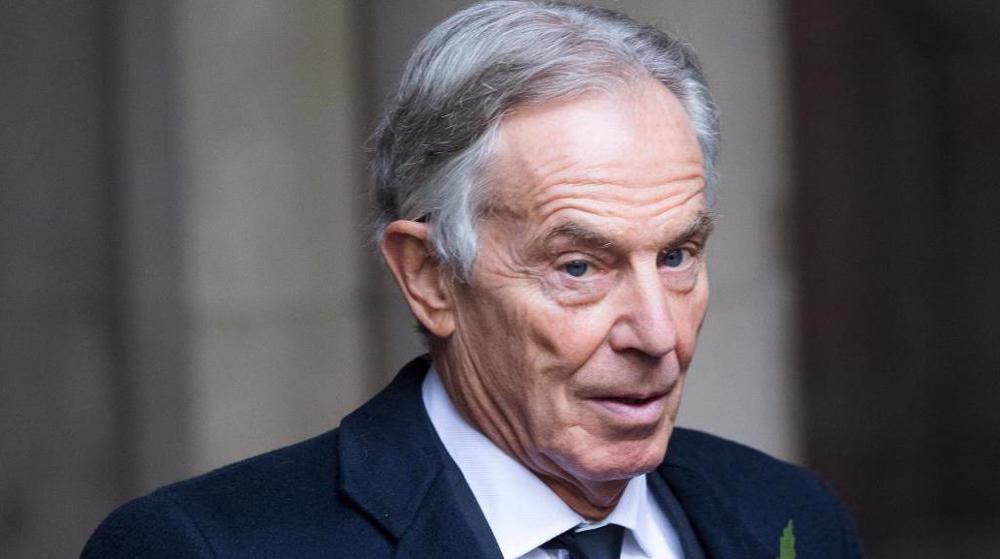
'Blair to receive UK knighthood for war crimes in Iraq'
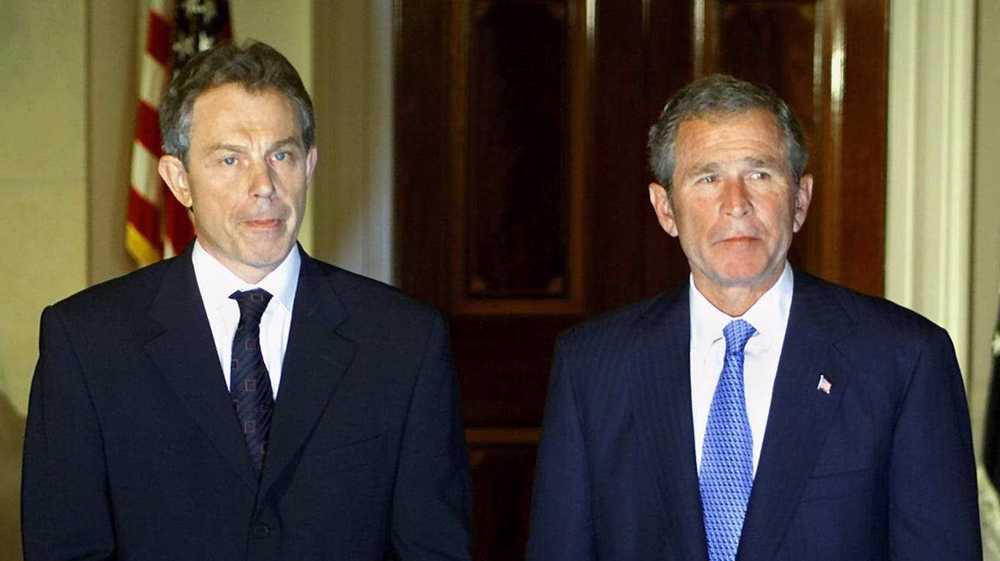
Journalist: Prosecute US, UK war criminals under Nuremberg principles
‘Support for Israel declining in UK, US’



Make ‘right decision’ or face more US pressure, Rubio tells Venezuela’s Rodriguez
VIDEO | General Soleimani honored in Kashmir, Kargil
US, Israel waging ‘soft warfare’ to destabilize Iran after June defeat: Top general
VIDEO | Hundreds brave wind and cold to show solidarity with Gaza in Berlin
Israel kills more Palestinian civilians in Gaza amid ceasefire violations
VIDEO | Paris protest condemns US aggression against Venezuela
Pope Leo says Venezuela must remain an independent country
VIDEO | Germans condemn US aggression against Venezuela


 PressTV NEWSLETTER
now
PressTV NEWSLETTER
now

 This makes it easy to access the Press TV website
