Normandy Four envoys urge more OSCE monitors in Ukraine

Representatives from Russia, Ukraine, Germany, and France have called for an increase in the number of observers of the Organization for Security and Cooperation in Europe (OSCE) in eastern Ukraine to monitor a fragile ceasefire.
Envoys from the group of countries, known as the Normandy Four or the Normandy Quartet, held a meeting in the German capital city of Berlin on Friday to discuss the implementation of a newly-agreed ceasefire in Ukraine.
The group urged the OSCE to more than double the number of its observers in the country to about 1,000, Russian Deputy Foreign Minister Grigory Karasin said after the talks.
"We recommended unanimously to extend the mandate of the [OSCE] Special Monitoring Mission in Ukraine, to expand the mission's staff and to provide it with necessary equipment," Karasin stated.
The current mandate of OSCE’s Special Monitoring Mission in Ukraine expires on March 23.
"Today's discussions showed that a great amount of work has been done, but, unfortunately, the Kiev authorities often fail to implement the measures adopted” under the Minsk ceasefire deal between Ukrainian forces and pro-Russia forces in the east, which was signed after talks in the Belarusian capital city on February 11-12, Karasin noted.
The four-nation format of talks takes its title from the first meeting held in the French region of Normandy on June 6, 2014.
Also during a phone conversation on Friday, Russian Foreign Minister Sergei Lavrov and his German counterpart Frank-Walter Steinmeier urged the OSCE to extend the mandate and raise the number of its monitors in Ukraine.
"The ministers have called on the OSCE Permanent Council to make a prompt decision on extending the mandate of the Special Monitoring Mission, with its strength increased to 1,000 monitors," the Russian Foreign Ministry said in a statement after the conversation.
During the negotiations in Minsk, the leaders of Germany, France, Russia and Ukraine agreed on the withdrawal of heavy weapons from Ukraine’s frontlines and a ceasefire, which officially went into effect on February 15. The warring sides, however, have continued to engage in sporadic clashes.
The two mainly Russian-speaking regions of Donetsk and Luhansk have been hit by deadly clashes between pro-Russia forces and the Ukrainian army since Kiev launched military operations in April last year to crush pro-Russia protests there.
In May 2014, the situation in the two flashpoint regions started to worsen as residents overwhelmingly voted for independence from Ukraine in referendums.
The fighting has taken a heavy toll on thousands of people. More than 6,000 people have been killed and nearly 15,000 injured in the conflict, the UN says. Around 1.5 million people have also been forced from their homes over the past months of the turmoil.
MSM/AS/MHB
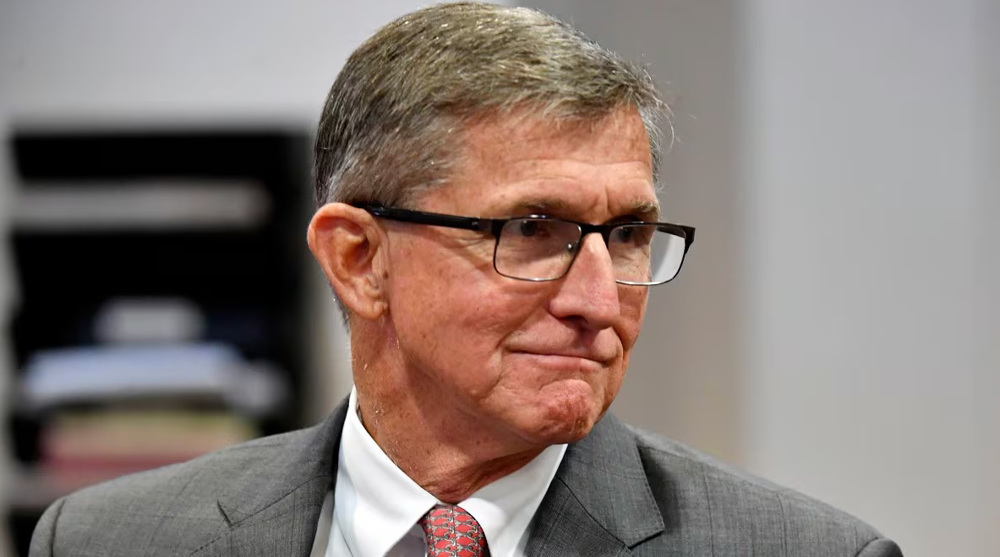
CIA undermining Trump’s Ukraine plan: Ex-US national security adviser
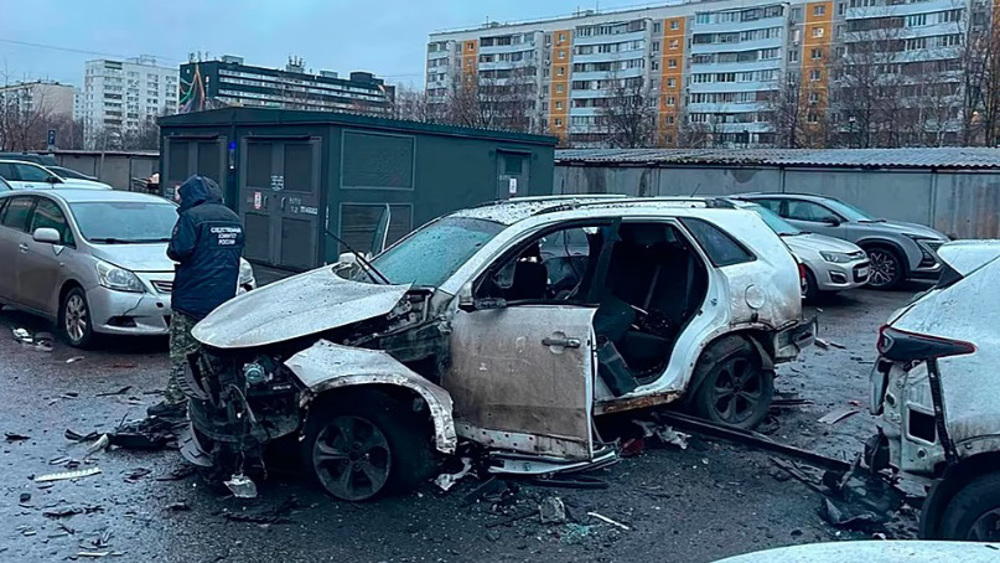
Senior Russian general killed in car bomb attack in Moscow: Investigators
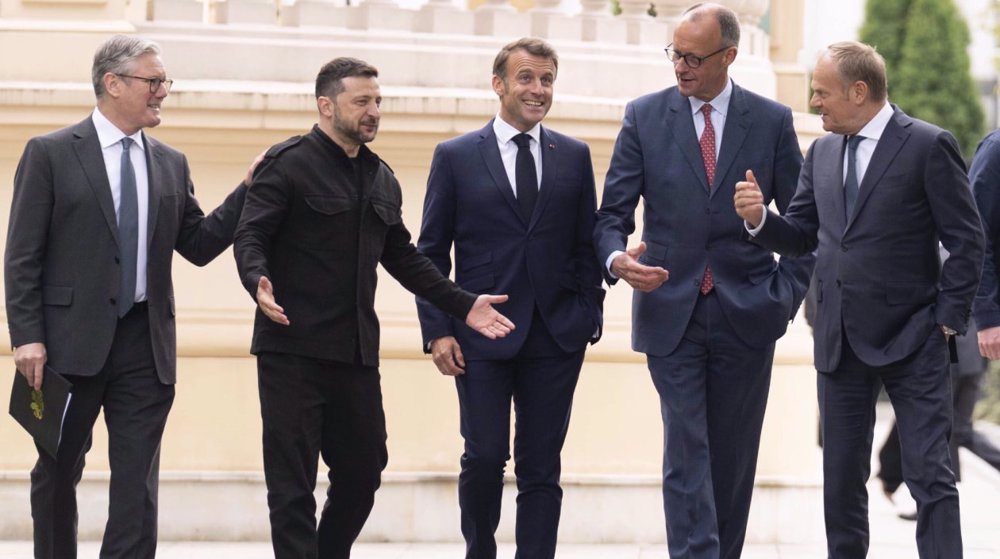
European and Ukrainian revisions to US proposals hindering peace efforts: Russia


VIDEO | Press TV's news headlines
VIDEO | Israel steps up settlement expansion near Jenin
VIDEO | Iraqi resistance factions split over state control of weapons
Euro-Med: Israel using winter as weapon of genocide
Venezuela demands end to US military presence
Donors receive favors from Trump’s fundraising machine post-election: Report
VIDEO | Odds against peace in Ukraine?
Iran plans launch of its heaviest ever satellite on Dec 28


 PressTV NEWSLETTER
now
PressTV NEWSLETTER
now

 This makes it easy to access the Press TV website
