Radicalization among youth in Britain alarming: Prince Charles

Britain’s Prince Charles says the rate of radicalization among young people in the UK is "alarming" and one of the "greatest worries."
The radicalization of young people "is one of the greatest worries, I think, and the extent to which this is happening is the alarming part,” he said in an interview with BBC Radio 2 broadcast on Sunday before he embarked on his Mideast tour.
"The frightening part is that people can be so radicalized either through contact with somebody else or through the internet, and the extraordinary amount of crazy stuff which is on the internet,” he added.
Charles, who was interviewed ahead of his six-day tour to the Middle East, noted that some young people are radicalized partly due to a "search for adventure and excitement at a particular age."
British officials say out of some 600 Britons who have gone to Syria or Iraq to fight along with militant groups, nearly half of them have returned home, raising fears of possible raids on British soil.
The Middle East tour
Prince Charles arrived in the Jordanian capital Amman late on Saturday and is expected to visit Saudi Arabia, Kuwait, Qatar, and the United Arab Emirates.
He visited a sprawling camp for Syrian refugees in Jordan and talked to some of the refugees.
During his tour of the Za'atri camp, located near the Jordanian border with war-torn Syria, the prince was accompanied by Britain's International Development Secretary Justine Greening, who said in a statement that her country would pay an additional $150 million to help displaced Syrians.
Almost 80,000 Syrians live in the camp, out of the nearly three million who have fled the country since the beginning of the conflict in 2011.
Later in the day, Charles met with Jordan’s King Abdullah II at the al-Husseiniya Palace to hold bilateral talks.
Saudi blogger’s case
Charles is expected to interfere in the case of Saudi blogger Raif Badawi, who was arrested in June 2012 and sentenced last year to 1,000 lashes for insulting Wahhabism, an extremely intolerant interpretation of Islam practiced in the kingdom.
Prosecution for the 30-year-old activist began in 2008 after he co-founded the “Free Saudi Liberals” website, on which he criticized the influential Saudi clerics who preach Wahhabism.
Although his lawyers demanded a retrial, the sentence was upheld last May. He was sentenced to 1,000 lashes -- to be carried out in 20 sessions in front of a mosque -- ten years in jail, USD 266,000 in cash fine, 10-year ban on overseas travel, and 10-year ban from participating in visual, electronic, and written media.
Before Charles’s departure, Amnesty International urged him to seize the opportunity for "a frank discussion of human rights."
International human rights organizations have lashed out at Saudi Arabia for failing to address the rights situation in the kingdom. They say Saudi Arabia has persistently implemented repressive policies that stifle freedom of expression, association, and assembly.
MSM/NT/AS
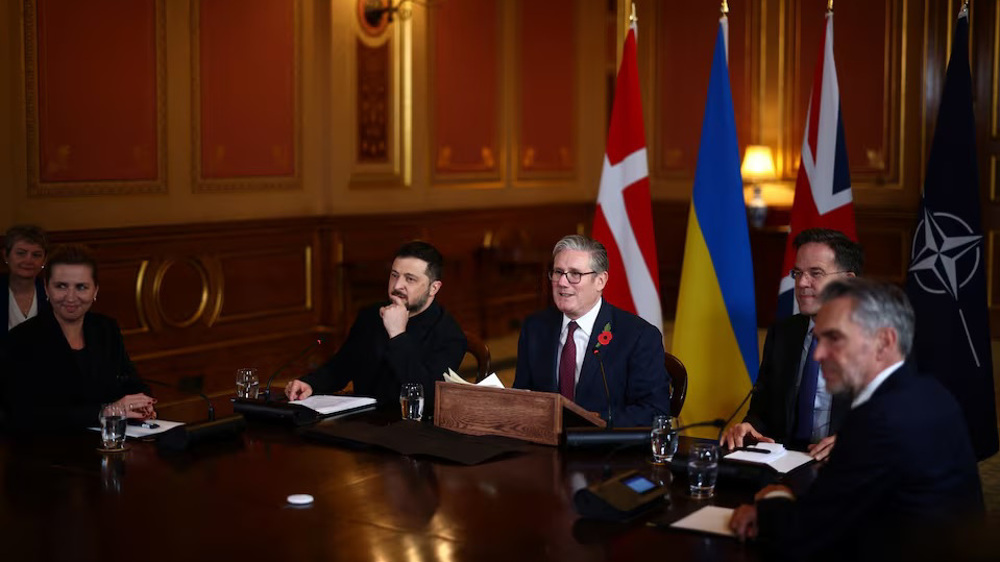
UK halts plan to use frozen Russian assets for Ukraine aid amid legal fears
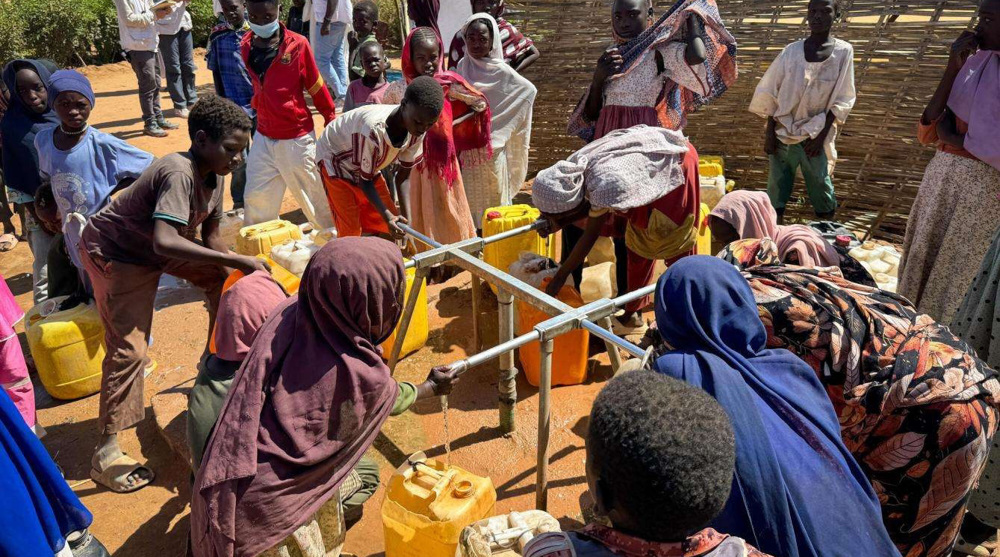
Whistleblower says UK Foreign Office ‘censored’ warning of Sudan genocide
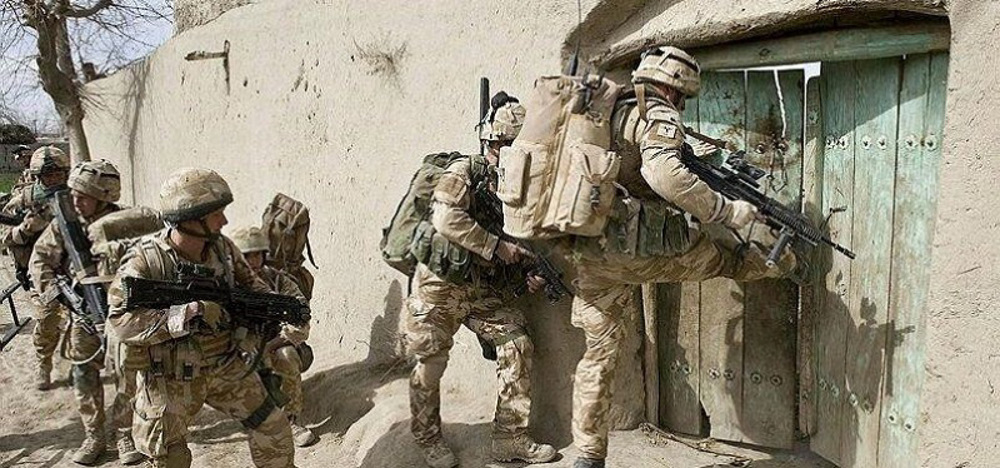
‘Who Dares Wins’ SAS war crimes covered up


VIDEO | Press TV's news headlines
‘Dying is worth it,’ says UK Palestine Action hunger-striker facing risk of death
Trump set to expand crackdown on immigration despite backlash
Iran reports significant rise in exports to Turkey
Israel approves 19 new settlements in occupied West Bank
VIDEO | Partially-destroyed buildings turn into death traps for Gazans under winter conditions
VIDEO | Caution and hope among Syrians after US sanctions removal
European and Ukrainian revisions to US proposals hindering peace efforts: Russia


 PressTV NEWSLETTER
now
PressTV NEWSLETTER
now

 This makes it easy to access the Press TV website
