Israeli forces attack Lebanon's Nabatieh, South governorates
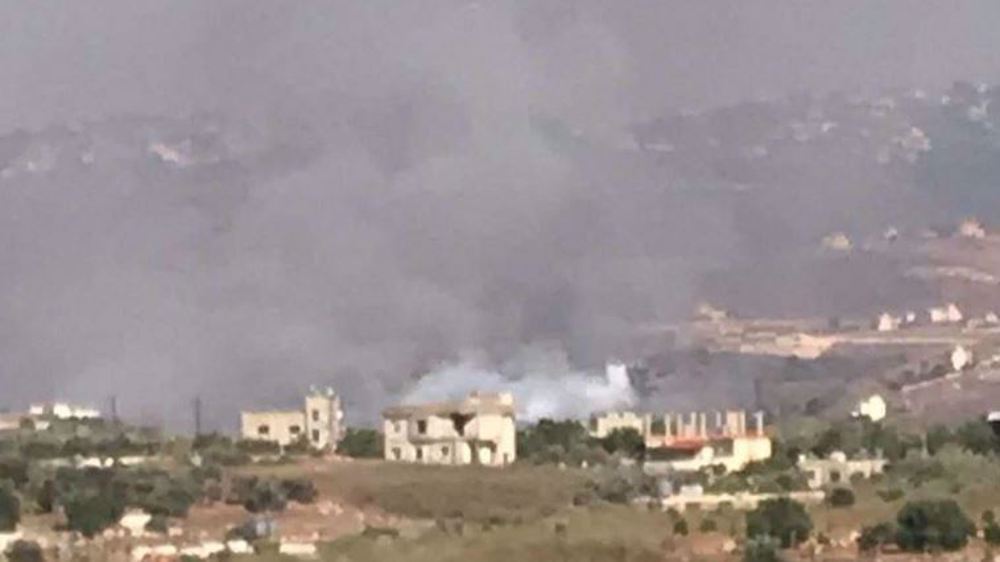
Israeli regime forces attacked several towns in Nabatieh and South governorates in southern Lebanon, local media reports said early Monday.
An Israeli airstrike targeted the outskirts of the southern Lebanese town of Al-Qantara, in the Marjayoun District in the Nabatieh Governorate of southern Lebanon, the report said.
Also, Israeli artillery shelled the town of Al-Mansouri in the Tyre District in the South Governorate of Lebanon, it added.
In the town of Kafra in Bint Jbeil district, in Nabatieh, an explosive-laden drone struck a house, damaging part of it and injuring two civilians.
The town had also reportedly been targeted earlier by a quadcopter.
Additional strikes and military activity were reported around the Ali al-Taher ridge, near Dawhat Kfar Rumman, in Deir Siryan and in Al-Qantara along Wadi al-Hujair, where an Israeli tank reportedly entered the area.
Some residents believe the repeated attacks are intended to pressure people into leaving their communities and to punish areas associated with support for the resistance.
The Israeli army also carried out an attack Sunday on the town of Hadatha in Bint Jbeil district despite an ongoing ceasefire.
Israeli soldiers opened fire with automatic weapons on a western neighborhood, according to Lebanon’s official National News Agency (NNA).
Israeli military vehicles were also reportedly moving inside the town at the same time.
Lebanon’s Ministry of Public Health said at least 11 people, including several children, were killed on Saturday in Israeli strikes in the southern district of Nabatieh.
A Hezbollah statement on Saturday said that the escalation reflected Israeli Prime Minister Benjamin Netanyahu’s desire “to escalate the war to bolster his domestic political standing, serve his electoral goals and appease the far-right”.
A general election in Israeli-occupied territories is scheduled for October 27.
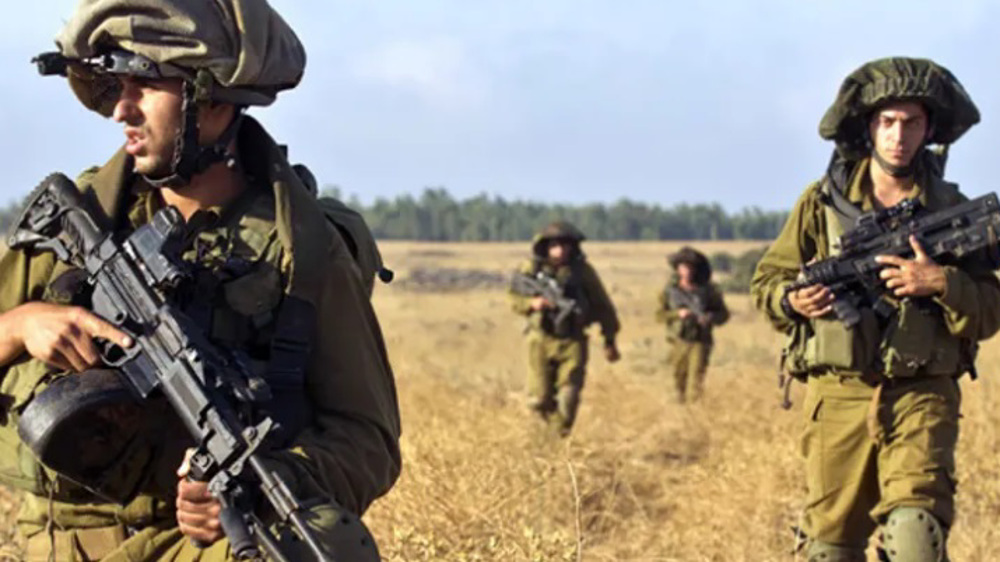
Hezbollah launched military operations against Israel on March 2 in response to the US-Israeli aggression against Iran, repeated Israeli violations of the 2024 ceasefire, and Israel’s continued occupation of Lebanese territory in the south.
Following the Iran-US ceasefire on April 8, Israel was also compelled to accept a ceasefire in Lebanon after Tehran demanded an end to Israeli attacks on Lebanese territory as one of its key conditions in indirect negotiations with Washington.
Israel, however, soon resumed attacks on southern Lebanon in violation of the agreement.
A July 17 Memorandum of Understanding between Iran and the United States, aimed at ending the war, also called for an end to hostilities on all fronts, including Lebanon.
Israel has continued to carry out attacks despite the agreement.
On June 26, Lebanon and Israel signed a US-mediated framework agreement outlining a phased Israeli withdrawal from occupied Lebanese territory.
The plan initially provides for pilot arrangements in two areas, with any further withdrawal linked to the Lebanese army assuming security responsibilities and the disarmament of resistance groups, including Hezbollah.
Hezbollah rejected the framework, warning that it effectively legitimizes the Israeli occupation of southern Lebanon.
The seventh round of Lebanon-Israel talks concluded in Rome earlier this month without a breakthrough on key territorial issues. The next round of talks is tentatively scheduled for September 1.
According to Lebanon’s Health Ministry, Israeli attacks have so far killed 4,333 people and injured 12,250 others since March 2.
Israel continues to occupy parts of southern Lebanon, including territories held for years as well as areas seized during the more recent conflict between October 2023 and November 2024.
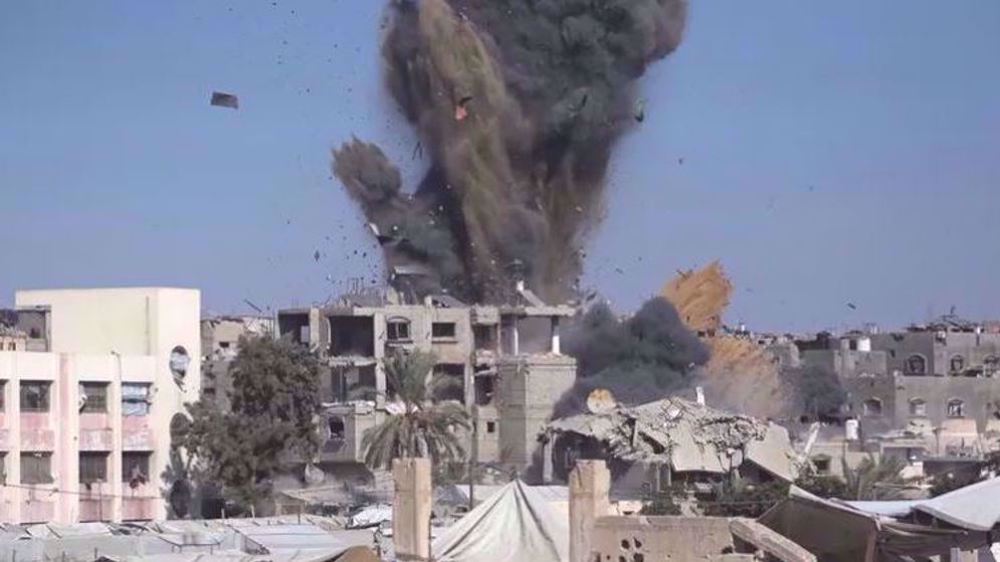
Four Palestinians, including child, killed in Israeli attacks across Gaza
Remembering Sabra and Shatila massacre: Why memory is the ultimate shield against erasure
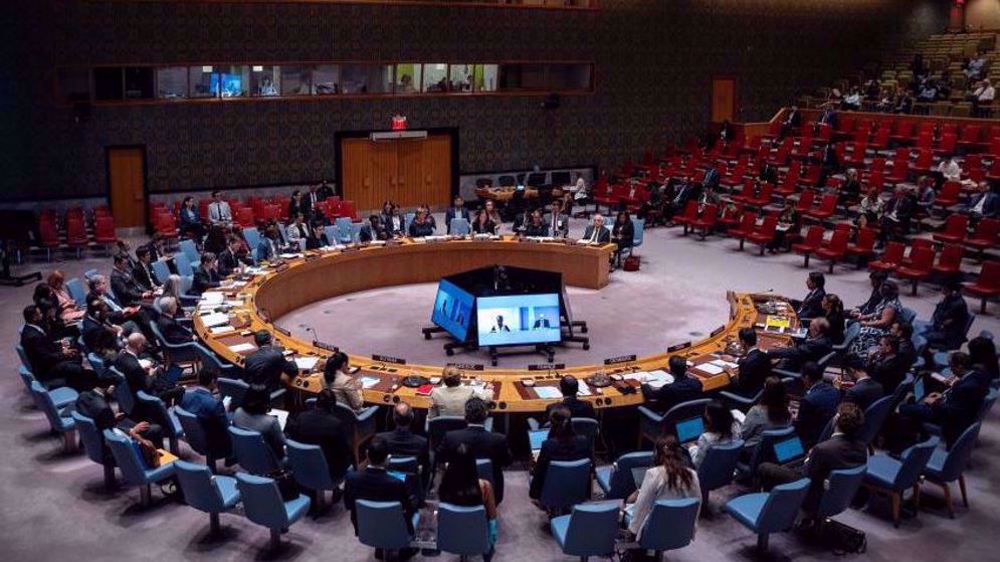
EU urges US to reconsider visa denial for Palestinian UN delegation


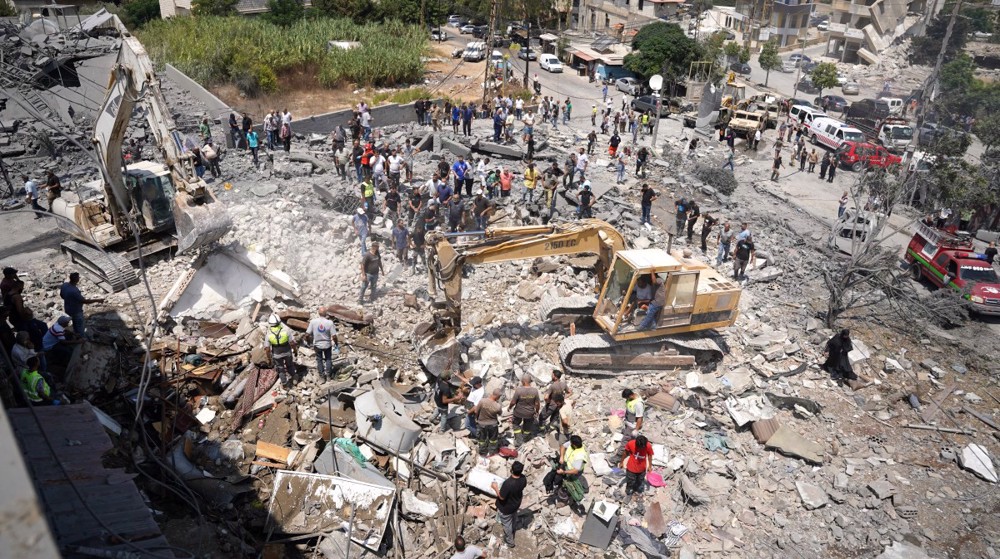
Israel has carried out 1,068 incursions into Syria since Assad’s fall: Report
Pentagon says four killed in US strike on alleged drug boat in Caribbean
Iran sets 7 conditions for US to escape war quagmire: Rezaei
Stories Beyond Numbers: Mojtaba, three-day-old infant whose life was cut short before it could bloom
Discover Iran: Tabriz’s ‘Mausoleum of Poets,’ where centuries of Persian literary history live on
Moscow intercepts massive Ukrainian drone strike amid elections; civilian casualties reported
Understanding Iran’s tourism momentum amid war and sanctions
How Yemeni retaliatory strike on Saudi East-West pipeline exposed limits of bypassing Hormuz


 PressTV NEWSLETTER
now
PressTV NEWSLETTER
now
 This makes it easy to access the Press TV website
