
On June 17th, Iran and the United States signed a memorandum of understanding in Islamabad, opening what appeared to be a rare diplomatic window after weeks of war.
Mediated by Qatar and Pakistan, the agreement paved the way for high-level negotiations in Switzerland.
Washington lifted its naval blockade and temporarily eased restrictions on Iran's oil exports. In return, Iran agreed to maintain commercial navigation through the Strait of Hormuz under the supervision of its armed forces, restoring the arrangement that had existed before the conflict.
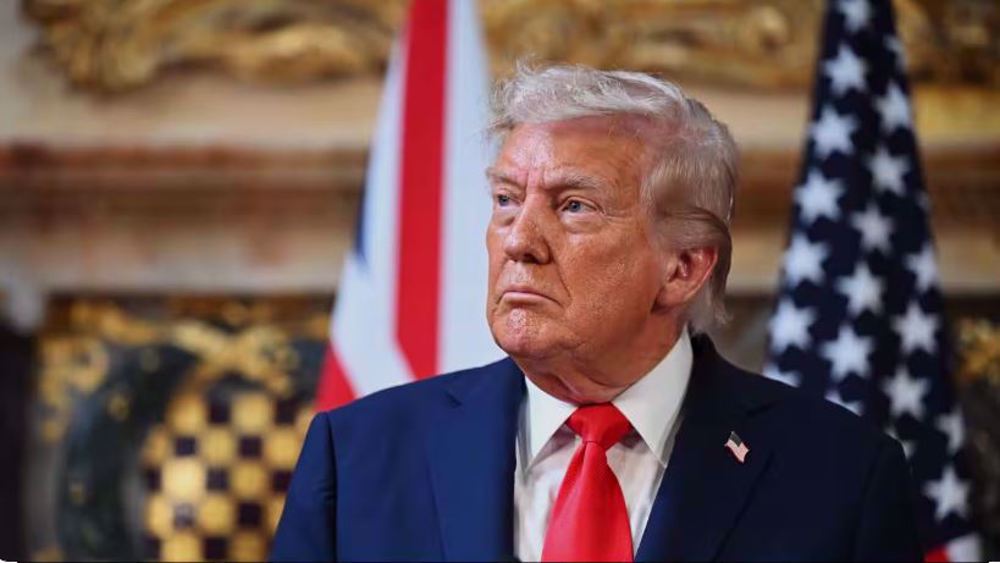
But the optimism faded quickly. Just three weeks later, speaking on the sidelines of the NATO summit in Ankara, US President Donald Trump declared the agreement over.
Almost simultaneously, US forces launched a new wave of strikes against targets in southern Iran, while Washington revoked the temporary authorization for Iranian oil exports; moves that signaled the collapse of the fragile understanding.
Has diplomacy reached a dead end, or can the agreement still be revived before the region slides back into full-scale confrontation?
Why did the memorandum unravel so quickly, and from Tehran's perspective, why has Washington once again failed to honor its commitments?
On July 8th and 9th, Iran and the United States once again exchanged direct military strikes, marking the second major confrontation since the Memorandum of Understanding was signed.
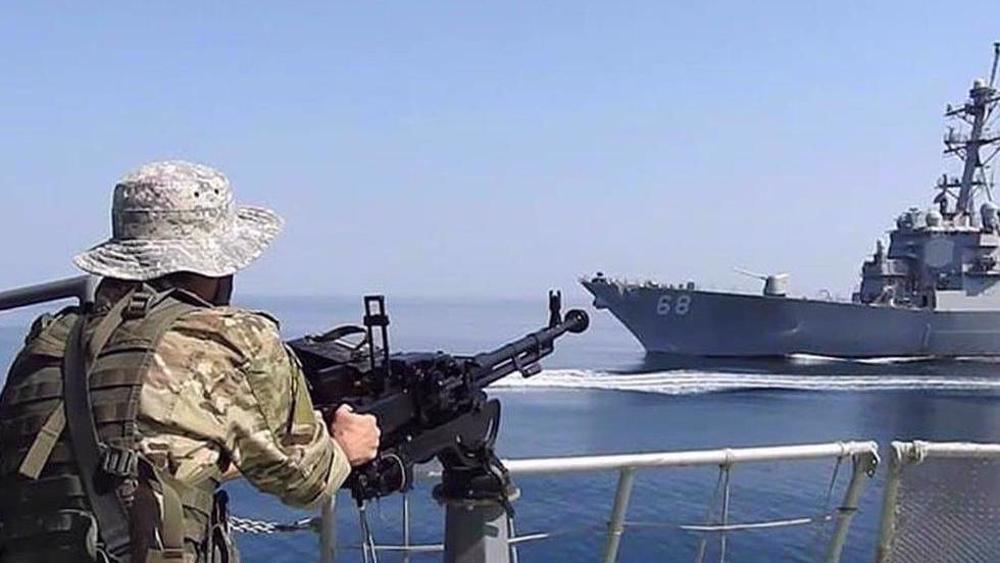
The United States announced strikes against around 80 targets inside Iran after several commercial vessels attempted to pass through the Strait of Hormuz without coordinating with Tehran.
American officials described the operation as a demonstration of restored deterrence.
Iran responded forcefully.
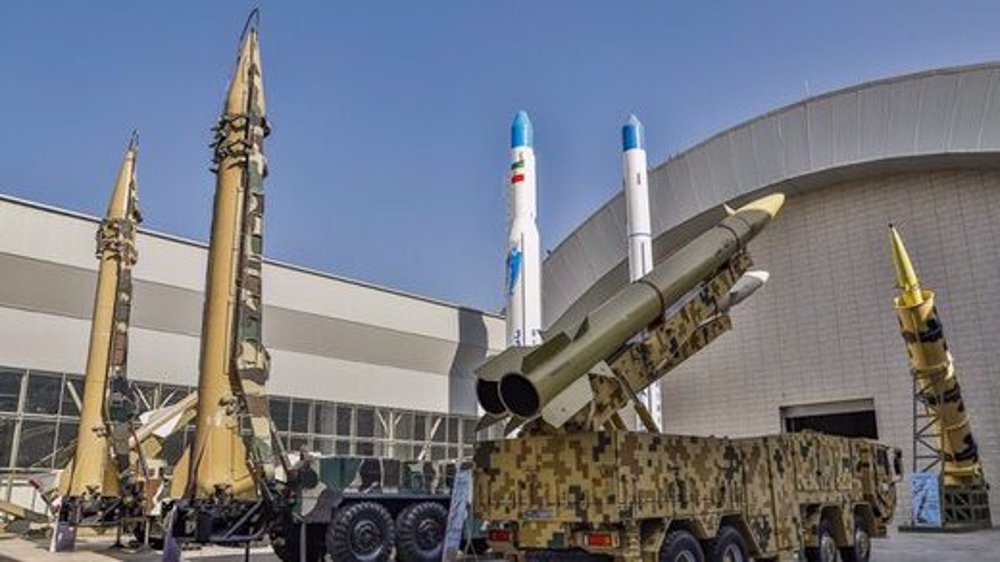
The Islamic Revolution Guards Corps announced attacks on dozens of US military facilities across the region, including the headquarters of the US Fifth Fleet in Bahrain and Ali al-Salem Air Base in Kuwait, causing significant damage to several installations.
At the same time, Washington reinstated sanctions on Iranian oil exports, one of the central concessions granted under the agreement.
Given the new strikes and the trade of fire between the two countries, do you think there's still a chance for the revival of the agreement, or that any further agreement would require a completely different path?
We reached this understanding amid deep skepticism, and thanks to regional efforts to bring the conflict to an end.
However, renewed tensions in the Strait of Hormuz and the United States' failure to uphold the Islamabad memorandum have, in my view, intensified that skepticism once again.
As a result, returning to the negotiating table will be extremely difficult, though not impossible.
Afifeh Abedi, International Affairs Expert
Behind the renewed finding is a fundamental disagreement over how the memorandum should be interpreted, especially with respect to Article Five that deals with navigation through the Strait of Hormuz.
Tehran maintains that while the Strait must remain open, commercial vessels were required during the 60-day interim period to coordinate their passage with Iranian authorities until a permanent maritime arrangement could be negotiated.
One of the clearest provisions is Article Five, which states that the strait would reopen over a 60-day period under Iranian arrangements.
It also outlines a 30-day phase for restoring maritime traffic to previous levels.
The next stage involves talks with Iran, followed by dialog with the other Persian Gulf states.
That sequence is explicitly laid out in the text.
Majid Shakeri, Economic Expert
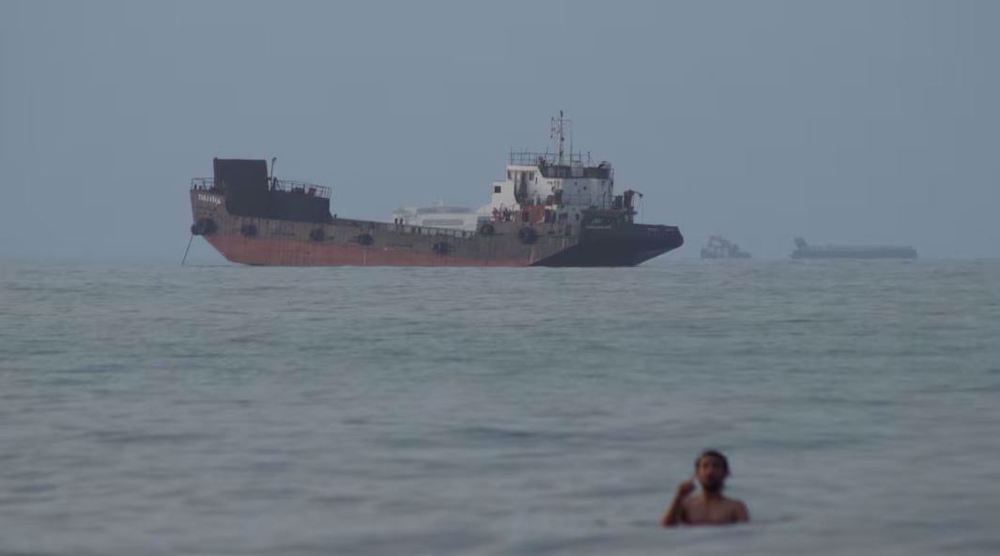
Washington took a different view, arguing that keeping the strait open meant vessels could pass freely through either Iranian or Omani waters without seeking Iran's approval.
Recently, Donald Trump described the MOU as being over. From a legal and political perspective, can one side of an agreement unilaterally declare its termination, or do you think this is just another political statement and position?
The US position has been highly contradictory, and Washington has yet to determine its own legal stance on the issue.
Statements made by Trump on social media do not constitute a legal position, and they often change several times a day.
Iran's official position is that it will not remain bound by the memorandum unilaterally for any fixed period.
For example, US actions to establish a corridor violate Article Five and prevent Iran from fulfilling its obligations under that provision. Iran will assess whether those violations make implementation impossible.
That's why Speaker Qalibaf's recent social media posts emphasized that Iran retains its means of leverage and will not relinquish them, while at the same time monitoring whether the other side fulfills its commitments.
Majid Shakeri, Economic Expert
Following the first round of tensions, both sides explored a compromise. Under the proposal, commercial ships would notify both Tehran and a designated Persian Gulf Cooperation Council maritime authority before transiting the Strait, balancing Iran's demand for oversight with Washington's concerns over exclusive Iranian control.
But the compromise never took hold. Instead, several vessels crossed or tried to cross the southern shipping corridor with their identification transponders switched off and without notifying Iranian authorities.
Tehran regarded those transits as a direct violation of the understanding and responded accordingly.
A memorandum of understanding is different from a formal agreement. An MOU is a broad legal framework primarily intended to manage a crisis.
A formal agreement, by contrast, goes into detail, clearly defining the party's rights, obligations, and responsibilities in both quantitative and qualitative terms.
For that reason, memorandums are generally more open to interpretation. Their nature within the international system allows each side greater room to interpret the document in line with its own objectives.
Hanif Ghaffari, Political Analyst
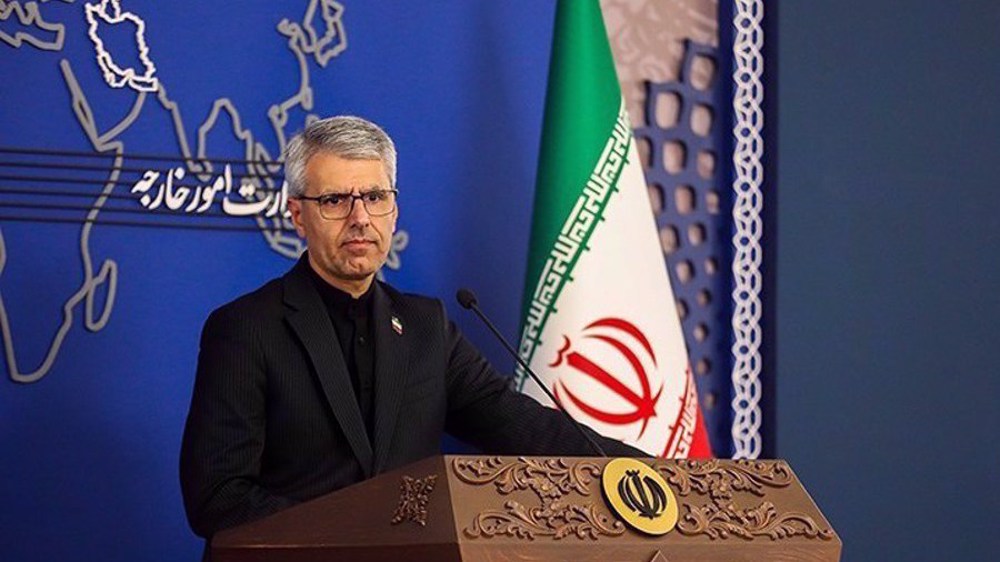
The Iranian Foreign Ministry spokesperson argued that the agreement had never been based on trust, but on the principle of commitment for commitment.
According to Tehran, Washington violated both the spirit and the letter of the memorandum by challenging Iran's agreed role in managing maritime coordination and by resuming military operations.
Less than three weeks after the memorandum was signed, the United States had already breached key military, economic, and security commitments, giving Tehran legal grounds for reciprocal action under the agreement itself.
From Iran's perspective, the memorandum was far more than a ceasefire. It established a temporary framework designed to build confidence and create space for negotiations and a comprehensive settlement within 60 days.
The most fundamental commitment was straightforward: both sides would refrain from military action against one another. That is why Tehran views the U.S. strikes of July 8 and 9 as the clearest breach of the agreement.
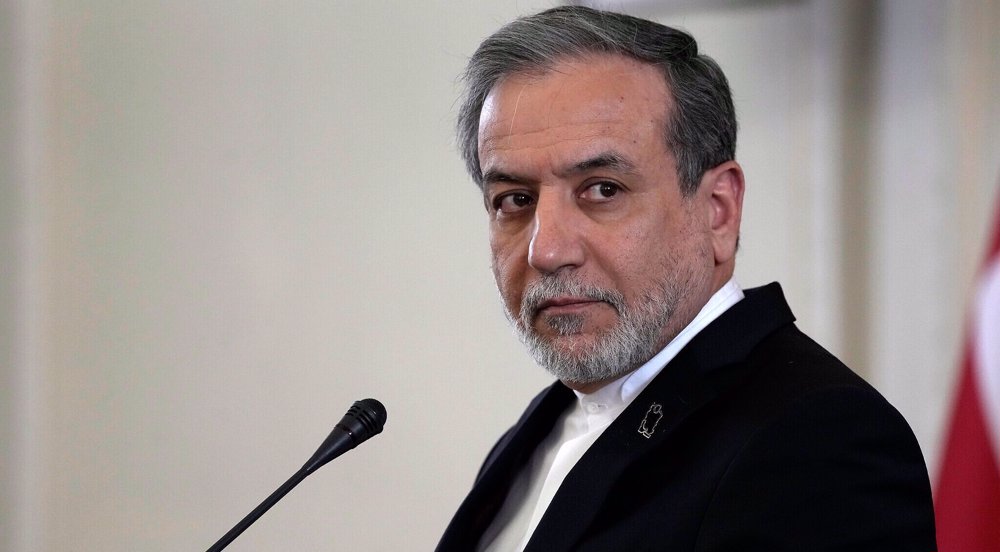
Iran's foreign ministry condemned the attacks as violations of both the memorandum and the United Nations Charter, which prohibits the threat or use of force. Foreign Minister Seyyed Abbas Araghchi likewise described the strikes as clear evidence that Washington had abandoned its commitments.
Almost immediately after signing the MOU, the two sides traded blame, accusing each other of violating the terms of the MOU; in your opinion, to what extent is this dispute due to the vagueness of the text, or is it just another political decision to derail the path of the MOU?
Under these circumstances, our priority should be to seek guarantees and make the provisions of the memorandum as specific and measurable as possible, so that the US side has little room for interpretation.
Iran has demonstrated this in recent days through developments in the Strait of Hormuz.
When we say that Article 5 must be implemented, we mean that management of the Strait of Hormuz should remain under Iran's authority.
We will not allow this strategic and geopolitical asset, the Strait of Hormuz, to become subject to deliberate misinterpretation or a lack of commitment by the other side.
Hanif Ghaffari, Political Analyst
The dispute extended beyond the battlefield. Under Article 10, the United States had committed to facilitating Iran's oil exports, including banking, insurance, and shipping services, as an initial confidence-building measure until broader sanctions relief could be negotiated.
Yet, on July 7, the US Treasury revoked a general license authorizing Iranian oil sales, allowing only a short period for existing contracts to wind down.
For Tehran, the message was clear: while negotiations were still supposed to be underway, Washington was already dismantling the very framework it had agreed to uphold.
The memorandum can be viewed in two ways.
One is through its provisions, many of which the US has repeatedly violated. The other is the broader purpose of the memorandum and the direction it is intended to take.
During the ceasefire, Iran had several clear objectives. It wanted to preserve its legitimate rights, particularly preventing further aggression, while maintaining leverage over the other side without violating the memorandum.
At the same time, although Iran believed it could play an offensive role in a broader regional conflict, it didn't consider a devastated West Asia to be in its own interest, viewing that instead as serving Israel's objectives.
For that reason, keeping the conflict below the level of full-scale war, while preserving pressure through the leverage available to Iran, was a key objective within the framework of the memorandum.
Majid Shakeri, Economic Expert
Tehran argues that Washington's violations extend beyond military action. Under Article Nine of the memorandum, the United States had pledged not to impose new sanctions or expand its military presence while negotiations were underway. Yet Washington introduced additional sanctions, prompting Iranian officials to accuse the US of breaching another central commitment.
Other than Article Five, what are some other important provisions that Iran asserts the US has violated?
Under Article 9, the United States agreed to maintain its military assets at the levels in place when the memorandum was signed.
However, by deploying additional forces, creating a new corridor, moving military equipment, bringing in new naval vessels, and increasing aerial deployments, it is, in our view, clearly violating Article 9.
Majid Shakeri, Economic Expert
In the words of Mr Araghchi, Iran has so far kept its word, unlike the so-called US Treasury Secretary, who is violating Paragraph 9 of the MOU.
For Tehran, these are not isolated incidents. Iranian officials argue that Washington has simultaneously breached multiple pillars of the agreement: the commitment to halt military operations, respect Iran's sovereignty, uphold the agreed-upon framework for the Strait of Hormuz, refrain from new sanctions, and preserve the temporary arrangements allowing Iranian oil exports.
Article 12 establishes a joint mechanism to review implementation of the memorandum, so it makes no sense to pursue unilateral actions on the ground.
In addition, Article 14 states that the final outcome of the memorandum should ultimately become a UN Security Council resolution.
If the US creates a new corridor in the Strait, it not only undermines the effectiveness of the Iran Oman talks, but also begins shaping the framework for a future UN resolution.
In our view, both of those actions are mistakes.
Majid Shakeri, Economic Expert
Tehran also points to the failure to release frozen Iranian assets, delays in launching the proposed investment fund, and the suspension of sanctions-related measures as further evidence that the MOU has steadily unraveled.
Regarding the Islamabad memorandum, the issue is that the United States failed to implement several provisions that were legally clear and required specific actions.
For example, Article 1 called for the complete withdrawal of Israeli forces from Lebanese territory. Yet Israeli forces remain present in Lebanon.
Iran's frozen assets have still not been fully released. The lifting of sanctions on Iran's oil sector has been announced, but the practical mechanisms for implementation remain incomplete.
The same applies to the Strait of Hormuz. The memorandum stipulated that transit through the Strait would take place under Iranian arrangements, but the United States later introduced a new corridor in cooperation with Oman, removing Iran's responsibility for securing the Strait.
Hanif Ghaffari, Political Analyst
At the heart of Iran's legal position lies one principle: commitment for commitment.
From Tehran's perspective, every provision of the memorandum depended on reciprocal implementation. If one side abandoned its obligations, the other side is no longer expected to comply unilaterally.
Iran therefore argues that the renewed military strikes, the return of oil sanctions, and the dispute over the Strait of Hormuz are not separate disagreements. They represent the collapse of the framework that made negotiations possible in the first place.
Whether this memorandum moves forward or is replaced by a short-term agreement, I believe the fundamental differences between Iran and the United States, along with Iran's regional position and US policies in the region and globally, mean that this conflict will not simply come to an end.
One of Washington's methods of containing Iran and advancing its own policies is to draw Iran into a series of crises, either in pursuit of the regime change it seeks or, failing that, to weaken Iran as much as possible.
Afifeh Abedi, International Affairs Expert
Parliament Speaker Mohammad Bagher Ghalibaf echoed that view, warning that Washington's policy of pressure and broken promises would inevitably provoke a response.
The era of one-sided deals is over.
We told you keep your word or pay the price.
Reality is knocking.
Mohammad Bagher Ghalibaf, Iranian Parliament Speaker
One of the major sources of disagreement and confusion is with respect to Article Five of the agreement, which pertains to the control of the Strait of Hormuz; what is Tehran's interpretation of US commitments in this respect, and what has the US actually done that Iran deems a violation?
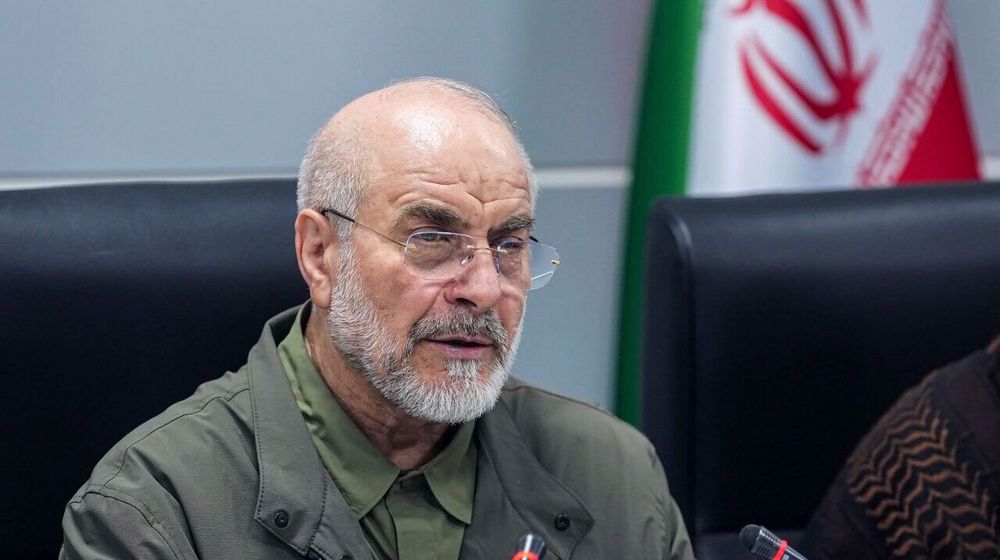
Iran's official position, as reflected in Speaker Ghalibaf's recent social media post, is that it will continue implementing its commitments as long as possible and to the extent that the other side's violations allow.
The most important of those commitments is Article 5, which calls for reopening the Strait under Iranian arrangements.
If Iran concludes that there is no longer any reason to honor the memorandum, it has no hesitation about withdrawing.
Iran does not see the memorandum as an objective in itself, but as part of a broader process.
Majid Shakeri, Economic Expert
The immediate question now is whether the MOU can still be revived, or whether the latest exchange of fire has effectively closed the diplomatic window.
From the beginning, Iranian officials insisted that the memorandum was never built on trust; it was built on reciprocal obligations.
Tehran now argues that Washington has repeatedly violated those obligations through renewed military action, economic pressure, and attempts to alter the agreed arrangements governing the Strait of Hormuz.
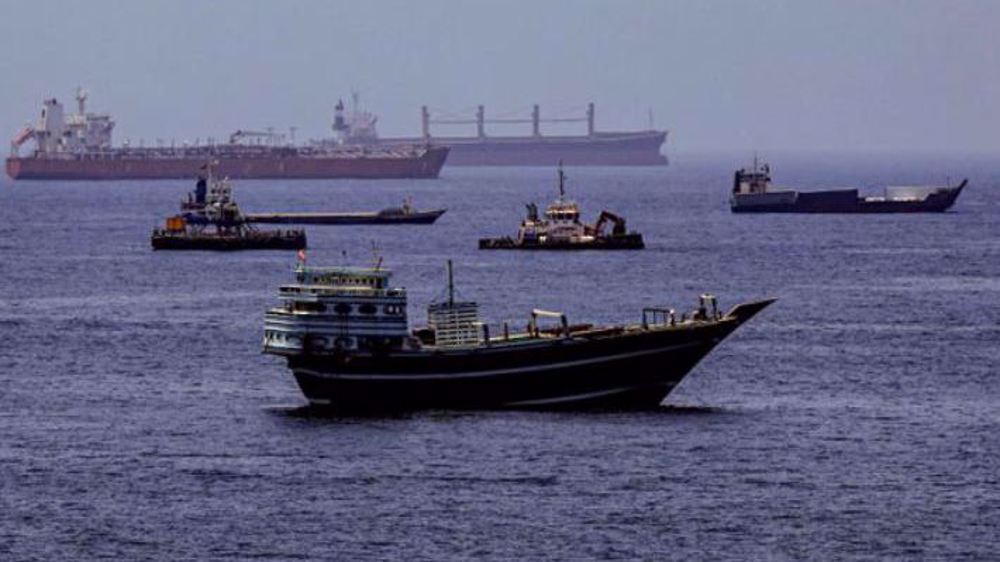
Iran's primary concern in the period following the recent war, what the leader has described as the silence at the battlefield, has been preserving the leverage provided by the Strait of Hormuz.
One reason Iran has insisted on maintaining control over the Strait, despite proposals from the other side and even from Oman for a shared management arrangement, is that the strait is not merely a geopolitical asset; it's also a strategic source of leverage over its adversaries.
Hanif Ghaffari, Political Analyst
Even so, Iran initially benefited from parts of the agreement. Oil exports resumed, the naval blockade was lifted, and regional tensions eased. Iranian officials say those gains are now being dismantled as Donald Trump has declared the agreement over and warned of even harsher military action against Iran.
With the current escalation of tensions, how probable is it that the two sides would return to the negotiating table, and what do you think would be a determining factor to convince the two sides to continue the path of negotiations or actually take the opposite path and escalate tensions?
I do not believe the United States enters into negotiations with the genuine intention of resolving the dispute.
Rather, I believe its goal is to buy time and pursue tactical objectives in support of its broader strategic aims, namely weakening Iran or advancing even more hostile policies against it.
The only factor likely to place real pressure on Washington and keep negotiations moving forward is the regional countries that would bear the cost of any escalation.
Afifeh Abedi, International Affairs Expert
Inside Tehran, many now argue that continuing negotiations while facing military attacks and renewed sanctions serves little purpose.
They point to previous experiences, including Washington's withdrawal from the 2015 nuclear agreement, also known as the JCPOA, as evidence that diplomacy without enforceable commitments offers few guarantees.
Yet, declaring the end of one agreement is not necessarily the end of diplomacy. History shows that even during the most dangerous periods of Iran-US tensions, indirect channels of communications have rarely disappeared altogether.
Regional mediators continue working to prevent another wider conflict, and diplomatic contacts have not completely stopped.
For Tehran, however, any future negotiations are unlikely to succeed unless they are accompanied by credible guarantees that commitments will be honored, not merely announced.
A strictly legal approach does not define the Islamabad Memorandum.
Strategic considerations and broader political factors played the dominant role, mediating countries, particularly Pakistan, along with Persian Gulf states such as Saudi Arabia, Qatar, and Oman, as well as many other countries affected by the conflict, including European states facing energy challenges and East Asian countries whose markets were disrupted, all pushed for a framework to bring the uncontrolled conflict under control.
In my view, the Islamabad memorandum can only be understood through that strategic logic.
Hanif Ghaffari, Political Analyst
In the meantime, Iran appears to be pursuing a three-track strategy: maintaining military deterrence, continuing diplomacy through regional mediators while rejecting negotiations under pressure, and relying on its geopolitical leverage, including the strategic importance of the Strait of Hormuz, to shape the balance of power.
The MOU was supposed to be an interim 60-day window to negotiate the final terms of the deal and also to reduce tensions, but it seemed to enter a cycle of violations, accusations, and trade of fire between the two countries in only a matter of weeks. What do you think caused this failure, and do you think that there was a chance of success in the first place?
In my view, this memorandum represents the best, or at least the most realistic, framework that could have been achieved under the current circumstances.
It establishes a number of understandings that could pave the way for more balanced negotiations. At present, I don't believe a better framework exists.
If the United States fails to abide by the memorandum, we are likely to see a setback in the negotiating process.
Afifeh Abedi, International Affairs Expert
Whether the current crisis marks the collapse of diplomacy or merely the failure of another temporary arrangement remains uncertain. But from Tehran's perspective, one lesson has become unmistakable: agreements that lack credible guarantees cannot produce lasting stability.
During this time, we witnessed that while the negotiations were taking place, simultaneously the war continued and even the imposition of sanctions. Now, do you think this is a failure of diplomatic efforts, or is this the usual pattern of relations between Iran and the United States?
We are dealing with a president who constantly frames his decisions in terms of cost and benefit. His short and medium-term objectives shift continuously.
According to many of America's international partners, he lacks political and psychological consistency.
Under those conditions, we cannot expect Trump to sign a memorandum, quickly turn it into a formal agreement, provide implementation guarantees, and simply conclude the process.
That would only happen if the costs for Trump remain high, while the perceived benefits remain low.
Hanif Ghaffari, Political Analyst
Any future understanding will have to rest not on American promises alone, but on demonstrable commitment, mutual respect, and a balance of power capable of ensuring that neither side can abandon its obligations without consequence.
 This makes it easy to access the Press TV website