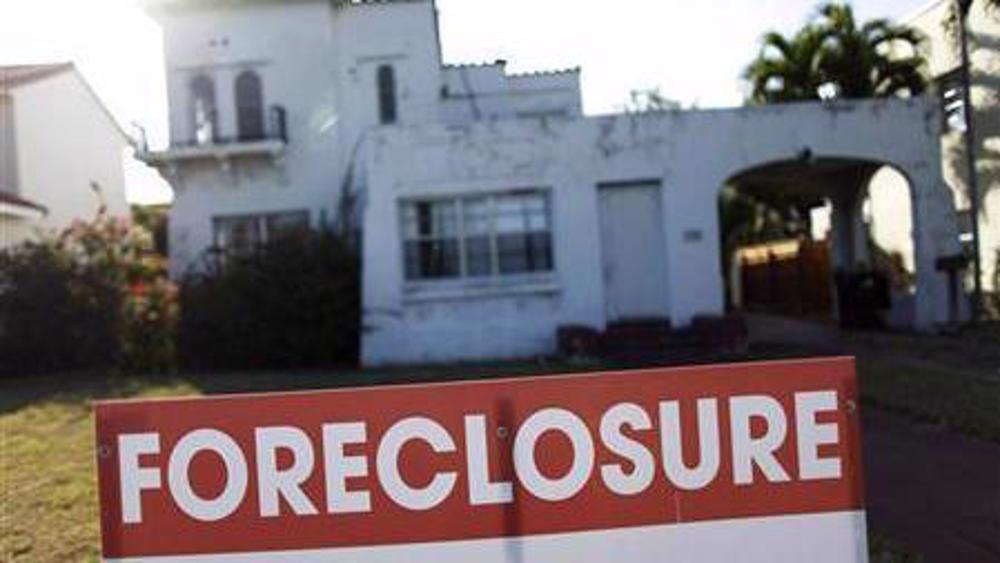
The Twin Cities metro area has the highest racial gap in the United States in terms of homeownership, mainly because investors have snapped up hundreds of single-family homes now used as rentals.
Such rentals are concentrated in neighborhoods where the foreclosure crisis was worst too. While parts of north Minneapolis saw an over 10% increase in corporate-owned single-family rentals during the past 15 years, the Como neighborhood and other parts of central St. Paul witnessed a 5 to 10% rise in the number of such homes.
By purchasing single-family homes and turning them into rentals, investors have eliminated options for potential home buyers in some of the most economically challenged and racially diverse neighborhoods, according to a report by the Urban Institute.
Nearly one-fifth of Black households own their homes in comparison with roughly three-quarters of white households, reported the institute, which is a Washington D.C.-based liberal-leaning nonprofit that partnered with several Twin Cities researchers and funders.
And while the Black homeownership rate in Hennepin and Ramsey counties decreased by 10 percent between 2000 and 2018, homeownership rates for whites remained relatively unchanged.
Large, out-of-town investors now own 48,000 single-family rentals in the two counties, which is twice as many as in 2005.
“Housing has been treated as a commodity,” said Marcus Owens, executive director of the St. Louis Park-based African American Leadership Forum. “It’s been such a huge part of the infrastructure of our society that when you don’t have equity in homeownership you’re not going to get equity in many of the other aspects of life — health, employment, entrepreneurship, safety, education.”
The decline in homeownership in such areas meant that more Black families became renters and fewer were able to build wealth through homeownership.
"Unless there are policies intended at trying to get people of color and low- and moderate- income people into homeownership, investors will continue to buy property," said Yonah Freemark, senior research associate at the Urban Institute. "Tracking that trend while making sure that renters are treated well has got to be a priority."
This comes amidst a deepening focus on the links between homeownership and racial economic inequalities in the Twin Cities metro area.
In less than a decade, the median sale price of a house in the area has more than doubled, and double-digit price gains have far outpaced income growth in recent months.
"There's just a housing shortage, period," said Kiarra Zackery, equity and inclusion manager for the city of Golden Valley. "We can't talk about having equitable access, period, because we're not in a place where we have housing for everybody who needs it."
 This makes it easy to access the Press TV website