

A senior Iranian diplomat has called on the United Nations to demand the US end its aggressive actions and maritime blockade against the Islamic Republic and hold Washington accountable for its violations of international law.
Gholamhossein Darzi, Iranian ambassador and charge de'affairs of the Islamic Republic of Iran to the UN, made the remarks in a letter addressed to the UN chief and the Security Council president on Wednesday.
He said the US acts of aggression, coupled with its repeated threats to destroy Iran’s infrastructure, put international peace and security at risk and further endanger the lives of civilians in gross breach of the UN Charter.
He also noted that other American hostile actions, including a naval blockade of Iran and unlawful sanctions on the country, have exacerbated the devastating consequences of the military assault and inflicted further harm on the civilian population.
Meanwhile, Darzi urged the UN to “categorically reject and strongly condemn the continued acts of aggression by the United States against the Islamic Republic of Iran through maritime blockade as a flagrant violation of the Charter of the United Nations and international law, including the prohibition of the use of force, and the sovereignty and territorial integrity of the Islamic Republic of Iran.”
The United Nations, he emphasized, must call upon Washington to immediately cease its military aggression against Iran, lift the naval blockade, and respect the country’s sovereignty and territorial integrity.
The Iranian envoy further urged the world body to demand all member states refrain from recognizing, supporting, facilitating, or implementing unilateral coercive measures imposed by the United States against Iran.
The US and Israel launched their illegal war of aggression against Iran on February 28 by assassinating Leader of the Islamic Revolution Ayatollah Seyyed Ali Khamenei, along with senior military commanders.
Forty days later, on April 8, the enemies were forced to accept a ceasefire amid Iran’s resistance and successful retaliatory operations.
In July, the US conducted waves of deadly air raids on Iran and imposed a naval blockade of the country in violation of the Islamabad Memorandum of Understanding (MoU) with the Islamic Republic, signed on June 17, to end the war.
In response, the Iranian armed forces launched devastating strikes against strategic American targets across West Asia and declared the Strait of Hormuz closed to all traffic.
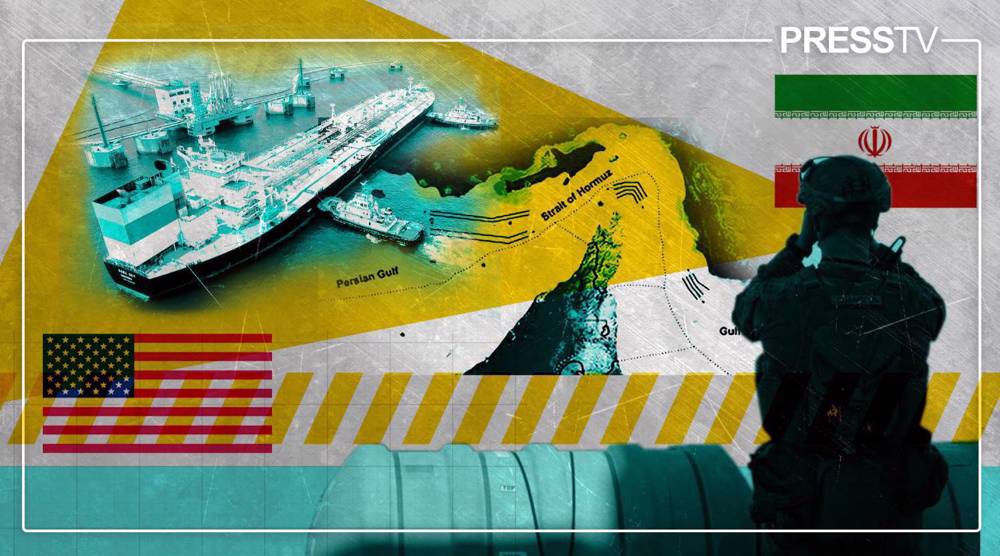
Additionally in his letter, Darzi emphasized that Iran will keep exercising its inherent right of self-defense, consistent with Article 51 of the UN Charter, in response to any acts of aggression.
He added that under the law of State responsibility, the United States is obligated to cease its internationally wrongful acts and make full reparation for all material and moral damage inflicted upon Iranians during criminal strikes on civilian infrastructure such as homes, schools, and hospitals,
“Accountability for aggression and other internationally wrongful acts is indispensable to the maintenance of international peace and security,” he continued.
“The Islamic Republic of Iran will pursue all available legal avenues to ensure accountability, reparation and redress, and to hold those responsible to account for the consequences of these unlawful acts. “
The Iranian diplomat also denounced the inhumane US maritime blockade of Iran, which has restricted the movement of commercial vessels and disrupted access to vital supplies, including food, medicines, fuel, and agricultural inputs.
Moreover, he said that the restrictions imposed by the US on Iranian airlines impede access to aircraft spare parts, equipment, maintenance, repair, inspection, and technical services, thereby exposing passengers and aviation personnel to risks and restricting the movement of millions of civilians.
 This makes it easy to access the Press TV website