Iran’s underground defense infrastructure frustrates enemy calculations: Defense Ministry
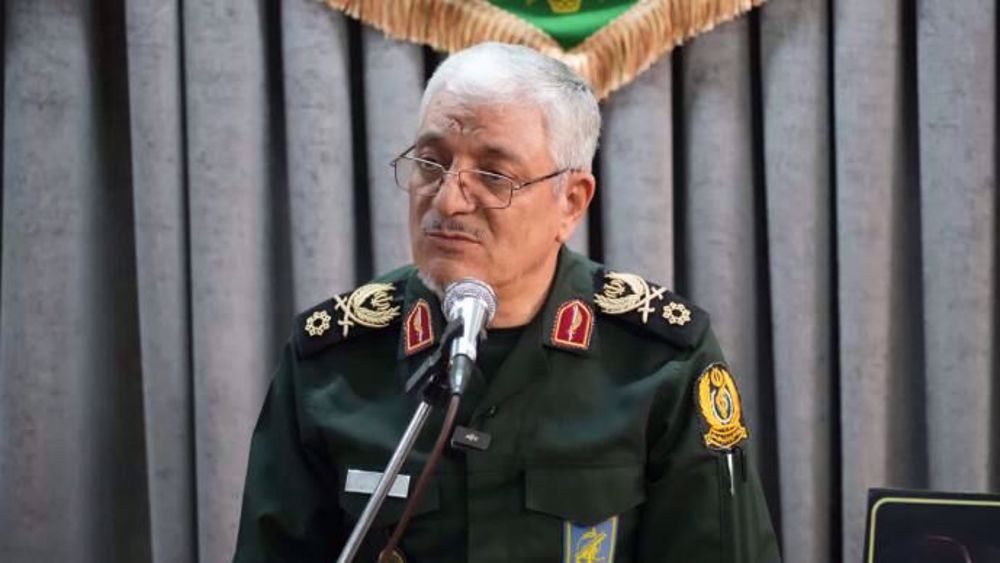
Iran has deployed part of its Armed Forces’ strategic capabilities in secure environments and underground infrastructure in recent years, frustrating the enemy’s calculations, Defense Ministry spokesman Brigadier General Reza Talaei-Nik says.
“Part of the strategic capabilities of the Armed Forces have in recent years been deployed in secure environments and underground infrastructure, a move that has frustrated the enemy’s calculations regarding Iran’s defense capabilities and weapons production capacity,” Talaei-Nik said on Saturday.
He said that although the war imposed costs and inflicted damage on Iran, the enemy failed to achieve its main strategic objectives, while Iran also imposed costs on them.
He described the recent wars as wars of technology, specialists, and hybrid warfare, saying that, alongside the military arena, social, economic, media, and cognitive domains had become major fields of confrontation.
The spokesman said the intensity of fire, speed of operations, geographical scope of the fighting, types of weapons, and use of new technologies in recent wars were incomparable with Iraqi dictator Saddam Hussein’s eight-year war on Iran in the 1980s.
He underlined the need to simultaneously strengthen defense power and domestic capacity, saying Iran needed to increase resilience across various sectors to maintain deterrence.
Talaei-Nik added that despite the enemy’s use of advanced technologies and pursuit of new objectives, it failed to achieve any of its strategic goals through two rounds of wars since last year.
The US and the Israeli regime waged their first criminal war against Iran, which lasted 12 days, in June 2025. Their second aggression began on February 28, 2026, and came to a halt in early April after 40 days.
In both wars, Iran’s resistance and successful retaliatory operations forced the aggressors to accept a ceasefire.
Iran has also maintained a tight grip on the Strait of Hormuz since the early days of the second imposed war.
In July, the US conducted waves of deadly air raids on Iran and imposed a naval blockade of the country in violation of the Islamabad Memorandum of Understanding (MoU) with the Islamic Republic, signed on June 17, to end the war.
In response, the Iranian Armed Forces launched devastating strikes against strategic American targets across West Asia and declared the Strait of Hormuz closed to all traffic.
‘Wake up and wrest back control from corrupt politicians’: Snippets from IRGC’s letter to Americans
Enemies seek to weaken Islamic Republic, advance ‘Greater Israel’ plot: Army spokesman
Iran Army demands Qatar clarify fate of missing pilots who struck Al-Udeid air base



Pezeshkian: Iran’s strong maritime presence in Hormuz kept vital national lifelines moving
Iran Airbus A319 returns to service with in-house expertise
Iraq’s long, dark night ends: 23 years of American lies, occupation, abuse end in humiliating ouster
VIDEO | Over 400 detained in student protests across France as public workers join strike
VIDEO | Press TV's news headlines
Iran will fire as many missiles as needed to deter enemy: IRGC advisor
From 1980s to 2026: The legacy of Sacred Defense and transformation of Iranian defense doctrine
UAE plane carrying Israelis lands in Saudi Arabia after pilots' brawl creates hijacking scare


 PressTV NEWSLETTER
now
PressTV NEWSLETTER
now
 This makes it easy to access the Press TV website
