
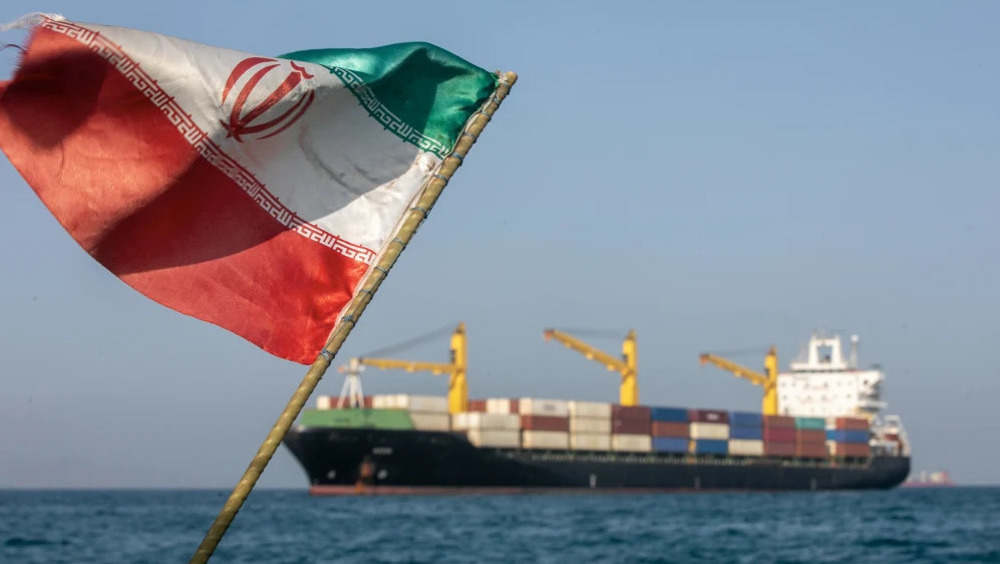
The Persian Gulf Strait Authority (PGSA) has updated its list of vessels that have violated Iran’s rules for transiting the Strait of Hormuz, warning service providers against aiding them.
The PGSA made the announcement in an X post on Monday, saying the blacklist, which includes a total of 77 ships, is available on its website.
It also warned insurance companies, protection and indemnity insurance (P&I) clubs, and classification societies against providing services to the non-compliant vessels in order to avoid consequences.
The NCL at https://t.co/oT31eflpLD has been updated (manually use http). Insurance companies, P&I clubs, and classification societies are warned to refrain from providing services to these vessels to avoid consequences arising from dealing with them. https://t.co/JvSBC1JhM8
— PGSA | نهاد مدیریت آبراه خلیج فارس (@PGSA_IRAN) September 14, 2026
Iran established the PGSA in early May to oversee transit through the Strait of Hormuz, the strategic waterway responsible for a fifth of global oil demand. But the US Treasury Department sanctioned the regulatory body in a desperate attempt to prevent the Islamic Republic from exercising its sovereign rights over the waterway.

Iran restricted transit through the Strait of Hormuz in response to the illegal US-Israeli aggression that began on February 28.
On June 17, Tehran and Washington signed the Pakistan-brokered Memorandum of Understanding (MoU), whose Article 5 places responsibility for reopening and managing the Strait squarely in Iran’s hands.
However, Washington attempted to undermine Iran’s sovereignty over the vital global energy chokepoint by establishing an unsafe corridor near the Omani shores.
The United States also resumed its airstrikes on Iran and imposed a naval blockade in violation of the war-ending deal.
The unlawful US measures prompted Iran to declare the Strait of Hormuz closed to all traffic.
Now, shipping traffic through the Strait has reached its lowest level in months, sending oil prices to their highest.
The Islamic Republic says the reopening of the critical waterway depends on US compliance with its obligations under the MoU.
 This makes it easy to access the Press TV website