Iraq’s PMU: Iran withstood ‘quasi-global war,’ maintained cohesion despite challenges
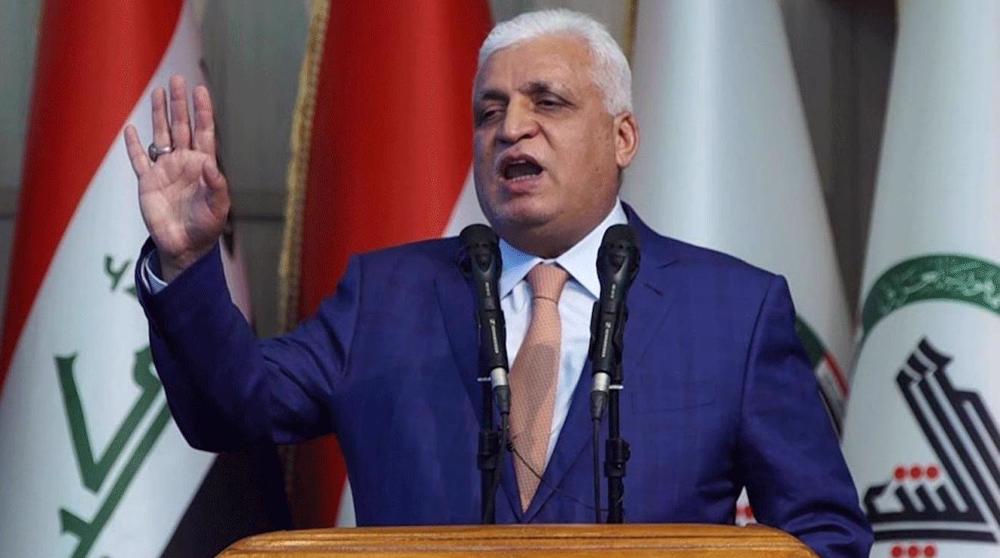
Faleh al-Fayyadh, head of Iraq’s Popular Mobilization Units (PMU) anti-terror resistance coalition, says Iran faced a “quasi-global war” waged by the Islamic Republic’s adversaries and managed to maintain its cohesion despite the challenges.
Al-Fayyadh made the remarks in an interview with the Arab country’s al-Sharqiya TV that was aired on Wednesday, referring to the latest bout of unprovoked American-Israeli aggression against the Islamic Republic between February 27 and April 7, which enjoyed unstinting support from a wide array of the aggressors’ allies.
The Islamic Republic’s Armed Forces faced the aggression with at least 100 waves of decisive and successful retaliatory strikes on sensitive and strategic American and Israeli targets throughout the region.
Top Iranian commander warns Persian Gulf states against assisting US militaryhttps://t.co/qJvPuG9kCT
— Press TV 🔻 (@PressTV) August 19, 2026
He said the region was experiencing instability and economic deterioration as a result of the aggression.
In retaliation to the aggression, which was being facilitated through the United States’ military interference in the Persian Gulf and transfer of American equipment via regional waters, Iran was forced to close the strategic Strait of Hormuz pending cessation of US meddling in the regional maritime order.
The Iraqi official noted how the PMU, also known as Hashd al-Sha’abi, suffered material and human losses throughout the course of the aggression too, citing attacks on the force’s facilities and fighters.
More than 100 PMU bases, including al-Fayyadh’s own headquarters, were damaged, he said, adding, “More than 100 PMU personnel were martyred and dozens of others wounded.”
This is while, the PMU “do not have the authority to enter a war and are committed to the orders of the commander-in-chief of the Iraqi armed forces.”
A notable incident late last month saw the United States and Saudi Arabia carry out coordinated aerial aggression against several bases and weapons depots belonging to the force, claiming the attacks were launched in response to earlier drone strikes against Saudi oil facilities. The PMU has categorically rejected staging such UAV strikes.
US, Saudi Arabia launch joint aggression against Iraqi resistancehttps://t.co/cQQqmODPjo
— Press TV 🔻 (@PressTV) July 29, 2026
According to al-Fayyadh, PMU headquarters were targeted in an effort to pressure resistance groups.
Despite the attacks, al-Fayyadh said the PMU maintains a presence in areas considered sensitive and dangerous “and serve as a source of security and reassurance for everyone.”
The PMU chief said the force has contributed to bringing Iraqis together by allowing people to defend their own areas, arguing that this has helped put an end to sectarian and religious divisions.
He also said the PMU maintains strong relations and broad solidarity with other Iraqi security forces in carrying out its duties.
“The Iraqi people regard the Popular Mobilization Units as a source of reassurance and stability,” he said. “The Popular Mobilization Units are a national force and a uniquely Iraqi experience.”
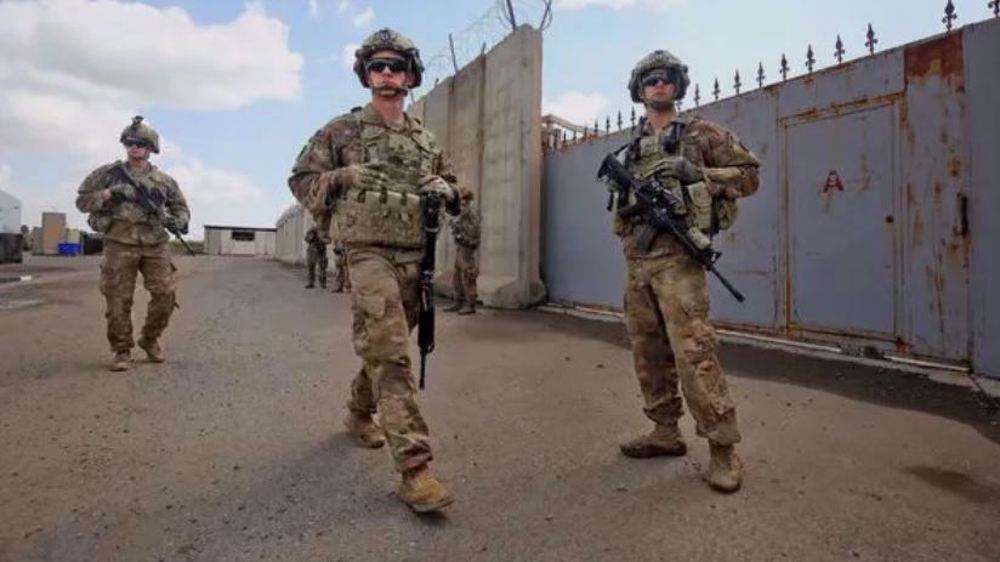
Iraqi MP: US forces’ September 30 withdrawal certain; foreign troops no longer needed
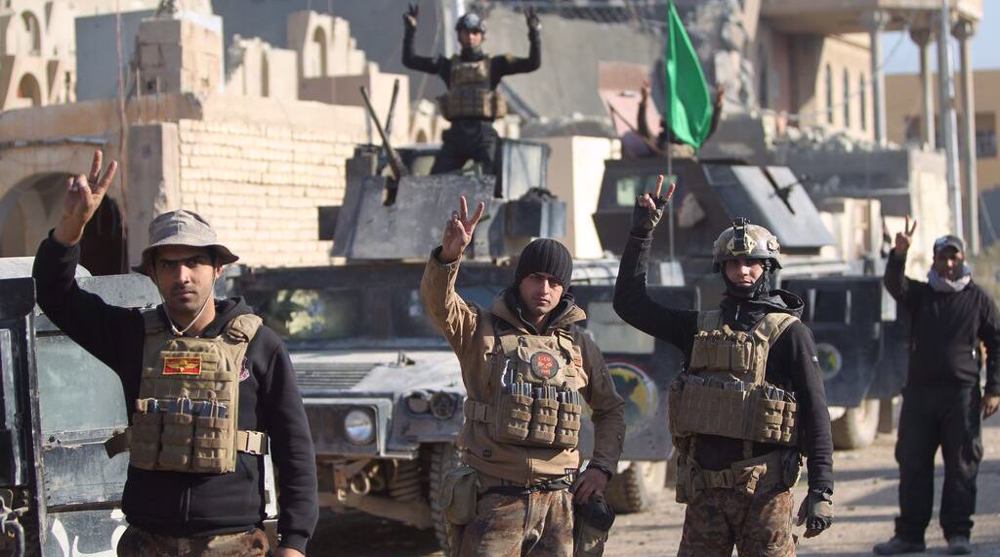
Iraqi resistance denies involvement in attacks on Saudi oil infrastructure

The farce of ‘war on terror’: How US military-industrial complex bred terrorism after 9/11 attacks



Iran, Oman jointly postpone Persian Gulf foreign ministers’ meeting
VIDEO | Gaza’s women: The sole providers of families shattered by war
VIDEO | News Review: Trump’s comments on Irish unification spark backlash among his British allies
VIDEO | Press TV's news headlines
Yemen reports 58 Saudi attacks in one day, vows decisive response
VIDEO | US failed economic policy on Iran
Swedes head to polls to vote in general elections
Palestinian detainees report severe conditions, medical neglect in Israeli prison


 PressTV NEWSLETTER
now
PressTV NEWSLETTER
now
 This makes it easy to access the Press TV website
