Iran rejects any shift in geopolitics of region, defense minister says

Iran’s Minister of Defense, Brigadier General Aziz Nasirzadeh, reiterated Tehran’s firm opposition to foreign intervention and its unwavering commitment to safeguarding national sovereignty during a high-level meeting with Armenia’s Minister of Defense, Suren Papikyan, in Tehran on Tuesday.
The two officials discussed avenues to strengthen bilateral defense cooperation and address shared concerns about regional security.
Nasirzadeh described Iran-Armenia relations as “deep, historical, and strategically significant,” while expressing appreciation for Armenia’s condemnation of US and Israeli aggressions against the Islamic Republic.
Reiterating Tehran’s long-standing security doctrine, the defence minister warned that Iran rejects any attempt to disturb the regional geopolitical balance.
“The Islamic Republic of Iran opposes any disruption of the regional geopolitical order,” he said, stressing that lasting stability can only be achieved through cooperation among neighboring states.
“External powers, whose interventions are driven by their own interests, pose a direct threat to regional stability.”
He also underscored the centrality of territorial integrity in Iran’s security posture.
“Iran will not tolerate any encroachment that jeopardizes the sovereignty of regional nations. While Iran does not seek conflict, it will respond decisively should war be imposed upon it.”

Reaffirming the importance of historical ties between the two countries, Papikyan stressed that Yerevan views stability in its southern neighbor as a strategic necessity.
“Armenia will never be a source of threat to its historical neighbor,” he said. “A stable Iran is fundamental to regional security.”
The talks in Tehran coincide with the resumption of indirect Iran-US negotiations regarding Iran's nuclear program, with Oman acting as a mediator.
The third round of the talks is scheduled for Thursday in Geneva.
The meeting comes amid a significant US military buildup across the region, including the deployment of carrier strike groups and advanced aircraft, a posture Iran has denounced as provocative.
Iran has reiterated that any aggression against its territory will elicit a strong and decisive response, reflecting its commitment to national defense and regional stability.
Nasirzadeh underscored the stance, stating: “Iran seeks peace and stability, yet remains fully prepared to defend its sovereignty. Those who threaten our territorial integrity will face consequences they will not forget.”
Armenian defense minister meets with Iran’s top general
Also on Tuesday, Major General Mohammad Hossein Mousavi, Chief of Staff of the Iranian Armed Forces, met Papikyan in Tehran to discuss deepening bilateral military collaboration.
General Mousavi highlighted the longstanding neighborly relations between Iran and Armenia, stressing that collaboration among regional states is pivotal for maintaining stability and safeguarding security.
“Our armed forces stand prepared to expand defense cooperation with Armenia,” Mousavi affirmed, noting that the presence of extra-regional powers is contrary to the interests of the regional populace and a primary source of instability.
Papikyan reaffirmed Armenia’s commitment to regional peace and security, stating, “Security and stability benefit all nations in the region. Armenia fully supports and welcomes peaceful initiatives.”
He characterized Iran and Armenia as committed, natural neighbors, emphasizing that the stability and inviolability of their shared borders is of paramount importance.
Meanwhile, Iran's top military official observed that foreign interventions, particularly by the US, are driven by malign intent.
“The international system is transitioning beyond unipolar dominance, yet Washington resists this evolution and seeks to impose its hegemony through illegitimate and unlawful measures.”
Reflecting on Iran’s military history, Mousavi recalled the 12-day imposed war, emphasizing that despite the loss of courageous commanders, dedicated scientists, and innocent civilians, “our armed forces, with the support of the people, compelled the adversary to request a ceasefire.”
On June 13, 2025, Israel launched illegal strikes on Iranian civilian, military, and nuclear sites, killing senior commanders and nuclear scientists.
Iran responded with drone and missile attacks on the occupied territories, targeting settlements and military positions.
Days later, on June 22, US air and naval forces struck three peaceful Iranian nuclear facilities, widening the conflict.
Iran retaliated with more than 30 drones and missiles aimed at a US base in Qatar, damaging parts of the installation.
By June 24, after absorbing significant losses and facing mounting pressure, Israel and the US were forced to seek a ceasefire.
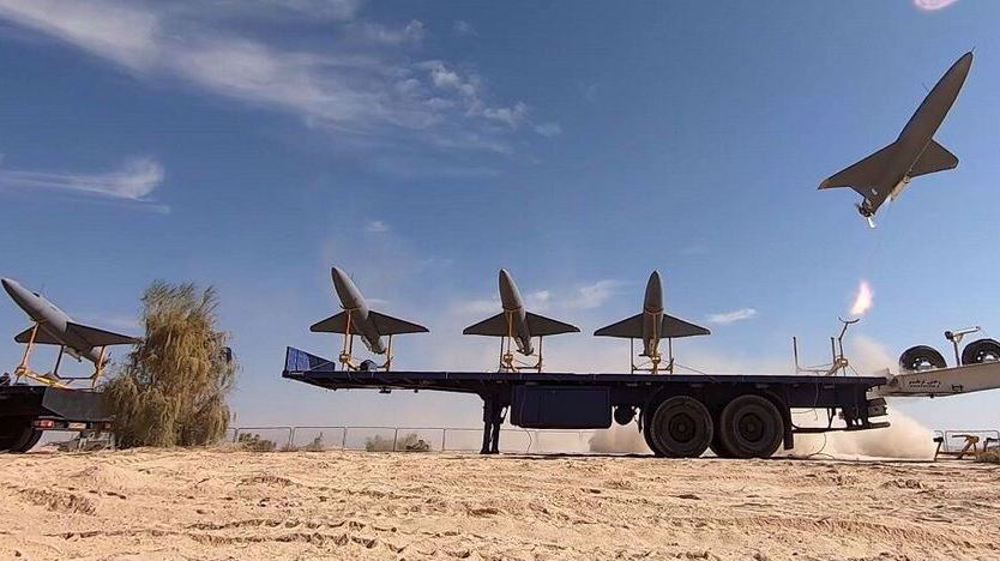
Largescale jet, drone attacks carried out against US, Zionist targets: Iran Army
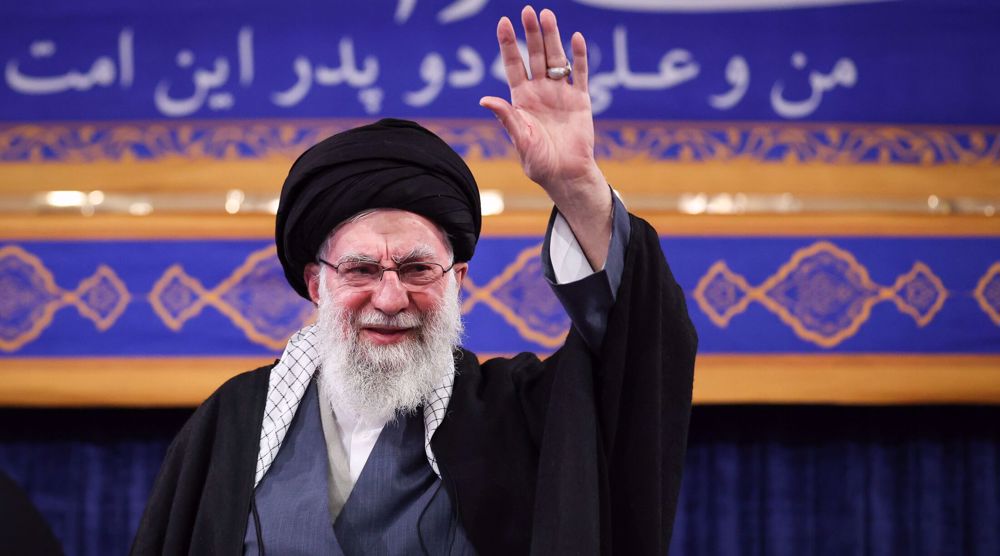
Iran’s government declares 40 days of mourning over Leader’s martyrdom
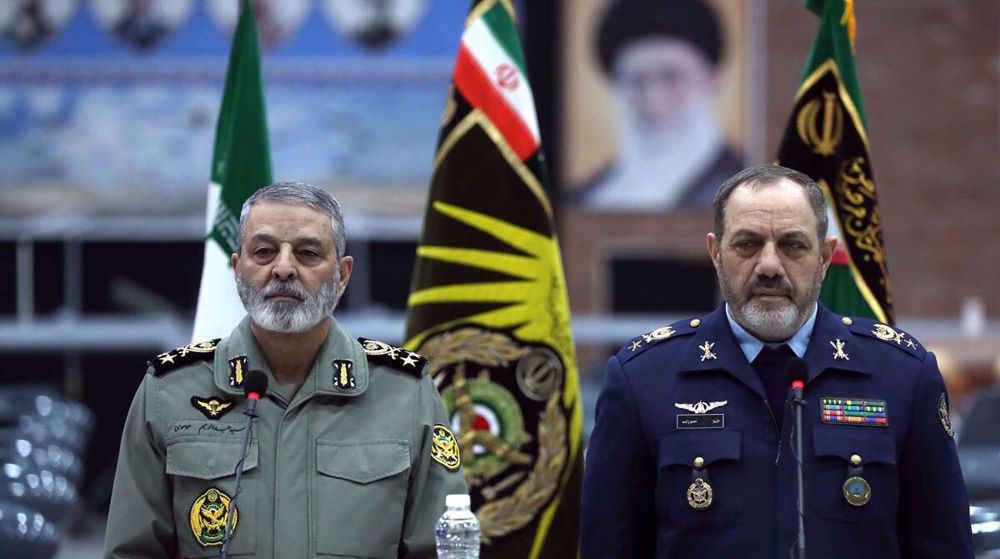
Iran’s defense minister, chief of staff of armed forces assassinated in US-Israeli strikes



Bahraini police assaults crowds mourning loss of Ayatollah Khamenei
Iran posed no imminent threat to US: Pentagon tells Congress
Iran will hold no negotiations with US: Larijani
Despite Leader's martyrdom, Islamic Republic firmly in control and punishing the enemy
At least 31 killed in Israeli aggression on southern Lebanon after Hezbollah strikes
Iran writes to UN, warns about dire consequences for perpetrators following Leader's martyrdom
Hezbollah strikes occupied Haifa in retaliation for Leader's assassination
Ansarullah mourns Leader's martyrdom as 'great loss' caused by 'most wretched terrorists'


 PressTV NEWSLETTER now
 This makes it easy to access the Press TV website