Discover Iran: UNESCO-listed Hyrcanian forests of Golestan, a verdant jewel of northern Iran
By Maryam Qarehgozlou
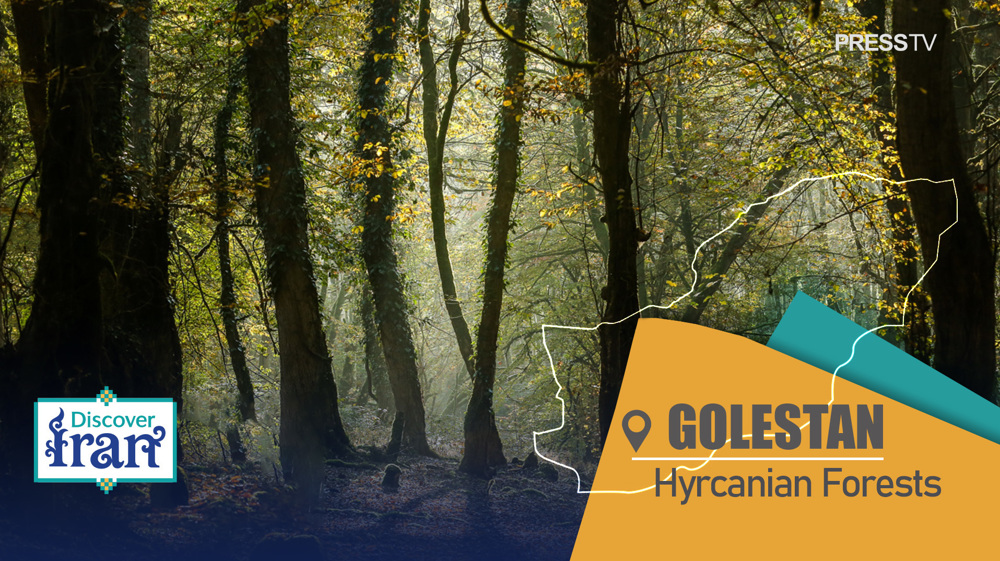
The Hyrcanian forests, among the oldest living forests on Earth, with a history stretching back over 40 million years, remain a breathtaking relic of the Tertiary period.
Stretching along the southern coast of the Caspian Sea, these lush forests reach their most captivating form in Golestan province in northeast Iran, where some of the richest, most pristine habitats of this ancient ecosystem thrive.
Golestan is home to approximately 21 to 25 percent of the entire Hyrcanian forest area, making it one of the key strongholds of this UNESCO World Heritage Site.
With its diverse climate zones, dramatic landscapes, abundant wildlife, and thick vegetation, Golestan’s Hyrcanian forests stand as a magnificent natural treasure, an irreplaceable part of the world’s ecological heritage.
Major Hyrcanian Forest regions in Golestan province
The Hyrcanian forests of Golestan each offer unique landscapes, biodiversity, and natural charm.
From national parks to high-altitude reserves and popular recreational woodlands near the city of Gorgan, the forests of Golestan represent a rich tapestry of ecosystems that showcase the coastal province’s remarkable natural heritage.
Some of the most notable Hyrcanian forest regions in Golestan include Golestan National Park, the Jahan-Nama Protected Area, Naharkhoran Forest, Toskestan Forest, Shast-Kala Forest, the Cloud Forest (Jangal-e Abr), and the scenic Rango Forest.
Golestan National Park
Golestan National Park, the oldest national park in Iran, is one of the most important protected sections of the Hyrcanian forests, which is also a major tourist attraction.
Covering more than 900 square kilometers, the park presents a remarkable mosaic of dense woodlands, vast grasslands, rolling hills, waterfalls, and springs.
Thanks to its diverse habitats, it is one of the richest natural reserves in Iran in terms of biodiversity.
Iconic species such as the red deer (maral), roe deer (shoka), and the Persian leopard find sanctuary in this park.
With its unique plant communities and undisturbed ecological systems, Golestan National Park represents a globally significant component of UNESCO’s Hyrcanian designation.
Jahan-Nama Forest
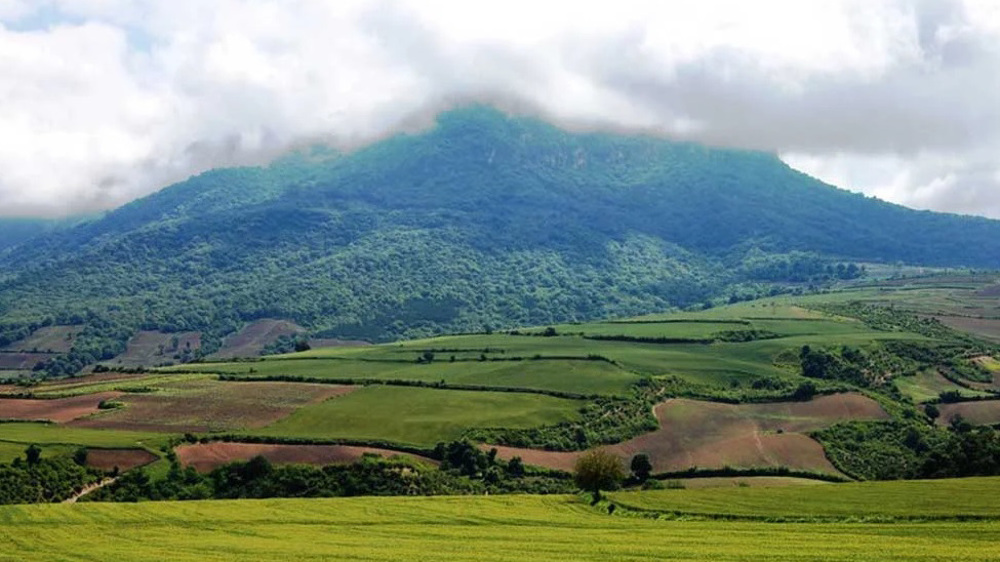
Perched on the southeastern heights of Gorgan, the Jahan-Nama region is one of Golestan’s most pristine forest landscapes.
Towering mountains, deep valleys, vast meadows, and ancient trees come together to form a breathtaking panorama.
A protected area, Jahan-Nama has remained remarkably untouched.
Herds of red deer, soaring birds of prey, wildflowers blooming in spring, and fiery foliage in autumn make it a paradise for nature enthusiasts.
Nahar Khoran Forest
Nahar Khoran, located south of Gorgan, is one of the most popular and accessible Hyrcanian forest regions. This ancient woodland attracts thousands of visitors each year.
With its pleasant climate, inviting walking trails, towering trees, small streams, and the gentle breeze that continually circulates through the forest, Nahar Khoran serves as a natural retreat, an oasis of calm for both locals and tourists.
Toskaestan Forest
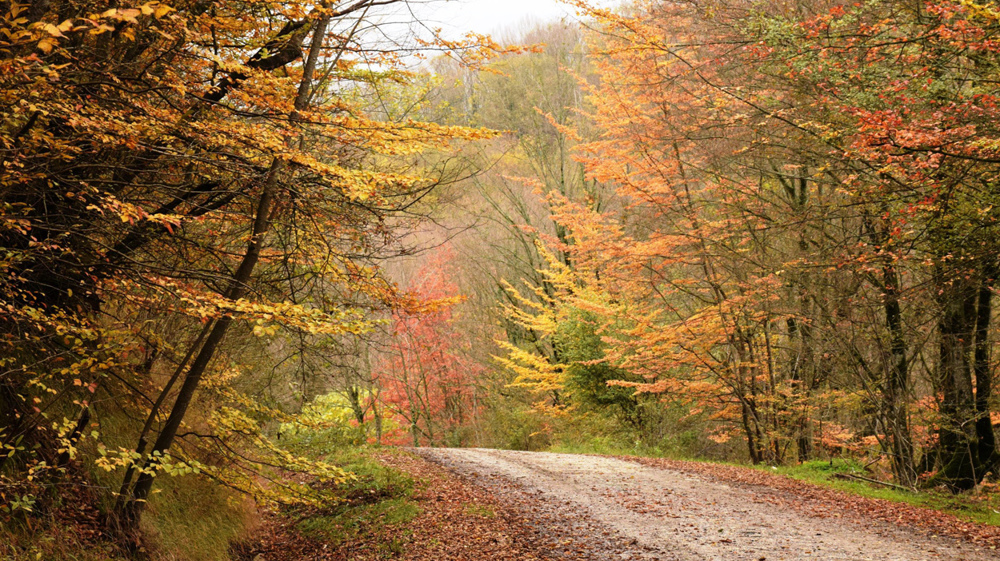
Toskaestan lies south of Gorgan along the scenic Shast-Kola road. Known for its lush greenery and winding, misty paths, it is a favorite destination among hikers and nature lovers.
The area hosts a rich array of tree species, including alder (from which the region’s name comes), maple, hornbeam, oak, and beech, forming one of the densest sections of Golestan’s Hyrcanian forests.
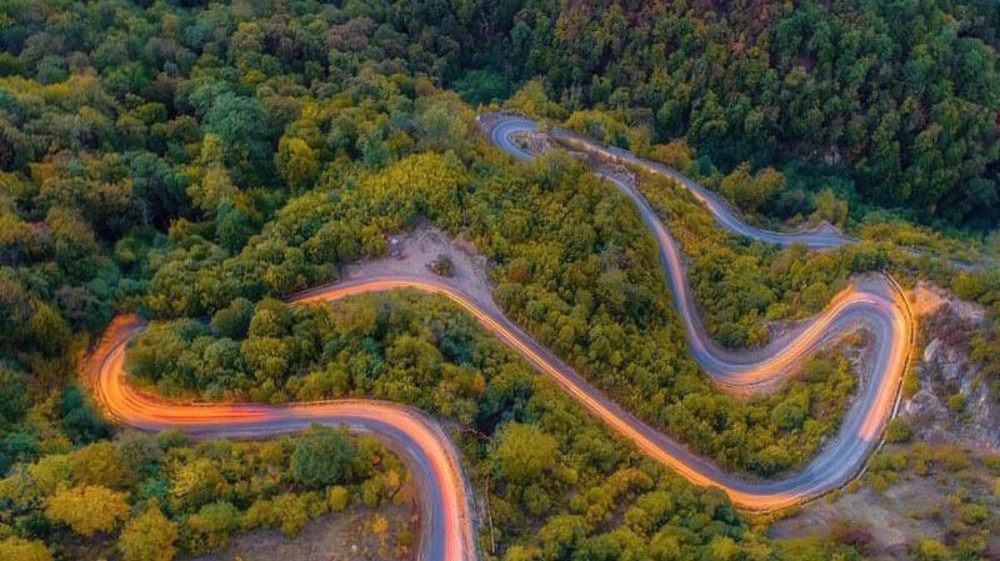
Shast-Kola Forest
Shast-Kola is a tranquil and deeply forested region near Gorgan. Tall trees, serene trails, and streams flowing gently through the woods create an atmosphere of pure peace.
Due to its elevation, the forest displays a changing palette of colors throughout the year—most dramatically in autumn, when the Hyrcanian landscape turns into a brilliant tapestry of reds, golds, and oranges.
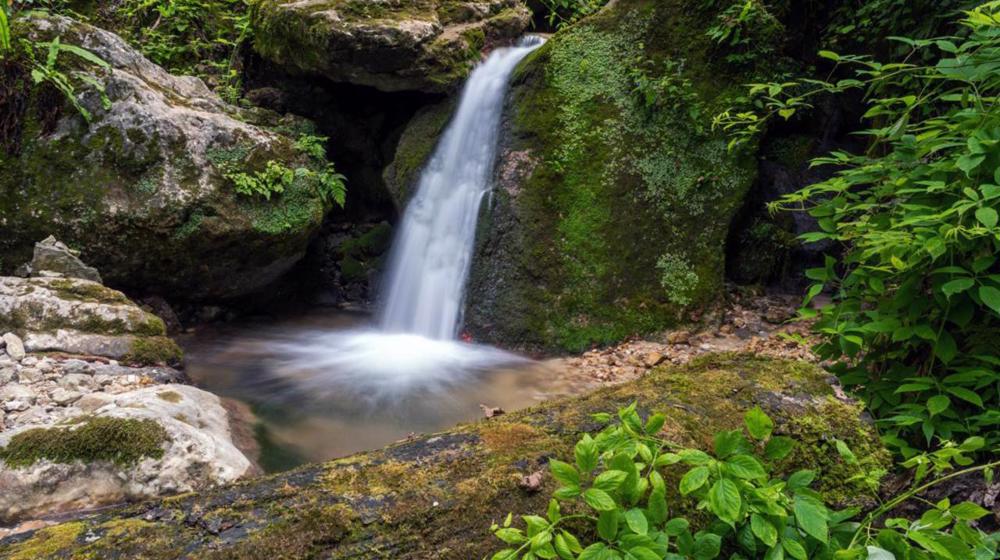
Rango Forest
Located near Gorgan, Rango is one of Golestan’s lesser-known yet incredibly beautiful forest areas.
Morning fog drifting among moss-covered trees, birdsong echoing through the canopy, and untouched footpaths make Rango a true sanctuary for those seeking quiet and natural beauty.
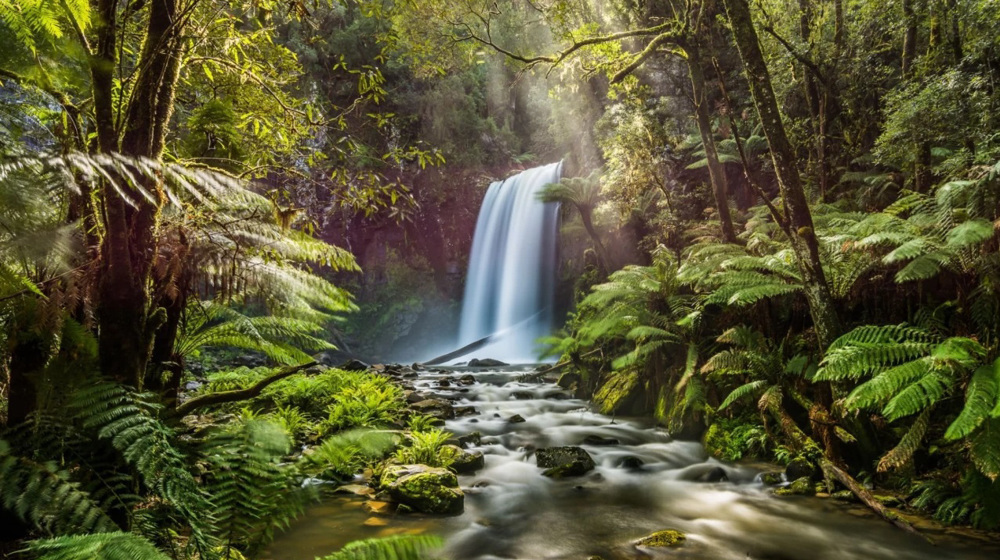
Cloud Forest (Abr)
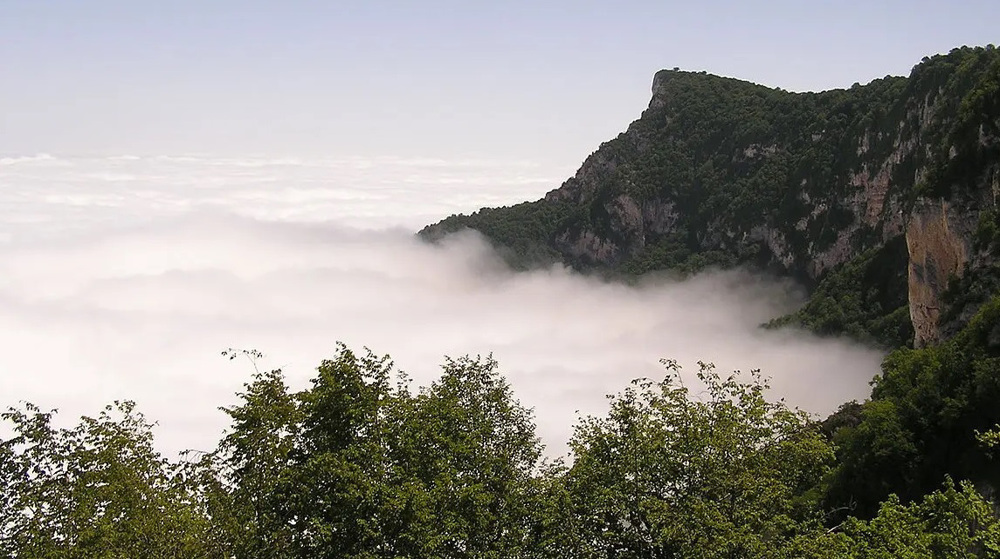
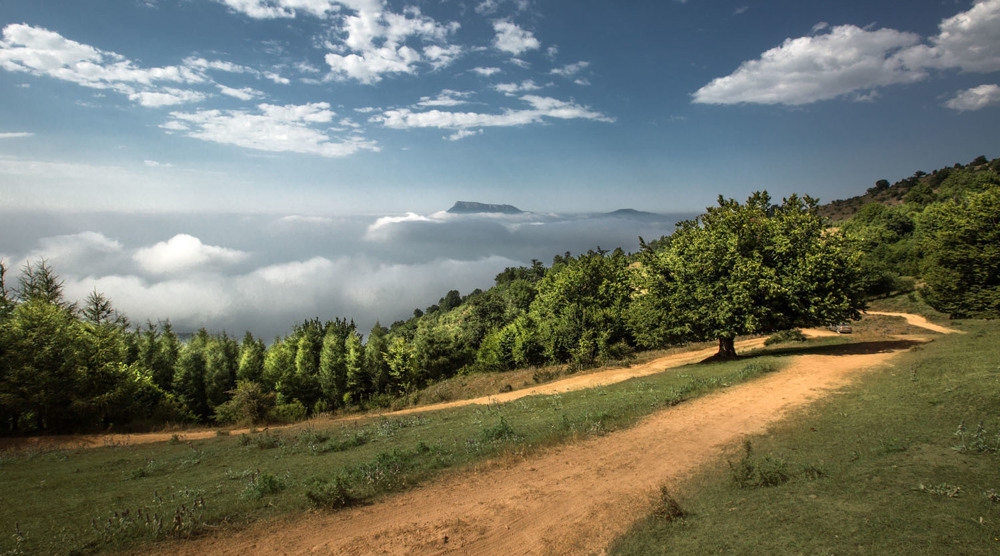
Although most of the famous Cloud Forest lies within Semnan province, its slopes extend into Golestan province and is a delightul sight.
Here, one of nature’s most extraordinary phenomena occurs: the “Sea of Clouds,” formed as masses of cloud and mist collide with mountain peaks.
Tall trees rising through the mist, fresh mountain air, and sweeping vistas make Cloud Forest a symbol of Hyrcanian wonder.
The importance of Hyrcanian Forests
In 2019, UNESCO inscribed the Hyrcanian forests on its World Heritage List. Golestan, with its ancient trees, distinctive ecosystems, and rich wildlife, plays a central role in this global recognition.
Hundreds-of-years-old trees, rare species, and ecosystems that have survived dramatic climatic shifts underscore the global significance of Golestan’s forests.
Due to its varied climate, spanning from lowlands to high mountains, Golestan hosts one of the most botanically diverse sections of the Hyrcanian range.
Among the most notable tree and plant species found here are the Hyrcanian beech, Persian oak, alder, hornbeam, maple, elm, and the distinctive Hyrcanian boxwood, along with hundreds of medicinal and herbaceous plants.
This wealth of plant species makes Golestan province a vital genetic reservoir and a cornerstone of botanical conservation.
Golestan is equally distinguished for its rich wildlife, thanks to expansive protected areas such as Golestan National Park and the Jahan-Nama Reserve.
The province is home to some of Iran’s most iconic mammals, including red deer (maral), roe deer, wild boar, the Persian leopard, brown bear, wolf, and various species of wild goat and sheep.
Birdlife flourishes as well, with species such as the Caspian pheasant, chukar partridge, golden eagle, kestrel, forest owl, Eurasian blackbird, and many others inhabiting the region’s forests and valleys.
Reptiles and amphibians, including the grass snake, Caucasian viper, and forest frog, add yet another layer to this ecological richness.
Altogether, this exceptional diversity makes Golestan one of the strongest wildlife refuges in West Asia.
Beyond its biodiversity, the ecological role of the Hyrcanian forests in Golestan is indispensable.
These forests produce oxygen and naturally purify the air, preserve wildlife diversity, prevent soil erosion, regulate both surface and groundwater, and help moderate the regional climate.
Their capacity to absorb carbon also reduces the impacts of climate change, making them an essential environmental asset for Iran and the wider region.
Tourism and nature-based recreation
Golestan is a four-season paradise for travelers. From spring blossoms to cool summer air, vibrant autumn colors, and misty winter scenery, each season reveals a new face of the Hyrcanian world.
Hiking trails, camping sites, Jahan-Nama’s highlands, Nahar Khoran’s lush paths, the legendary Cloud Forest, and Golestan National Park’s wildlife all make this province a prime destination for nature tourism.
The Hyrcanian forests of Golestan province are a living testament to Earth’s ancient natural history, ecosystems that have survived for tens of millions of years and are now globally recognized as a UNESCO World Heritage Site.
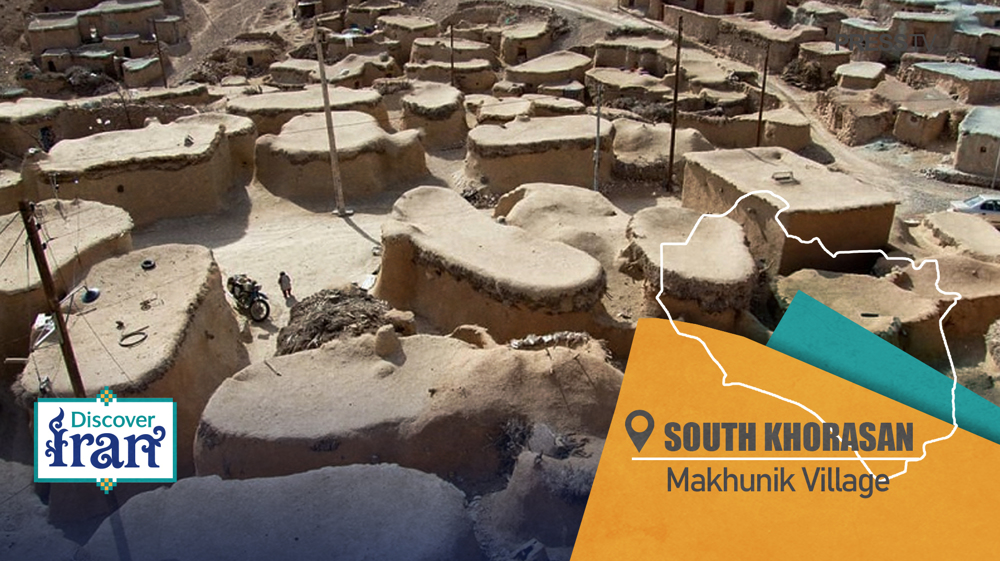
Discover Iran: Makhunik – South Khorasan’s “lilliput village” and its centuries-old mystery
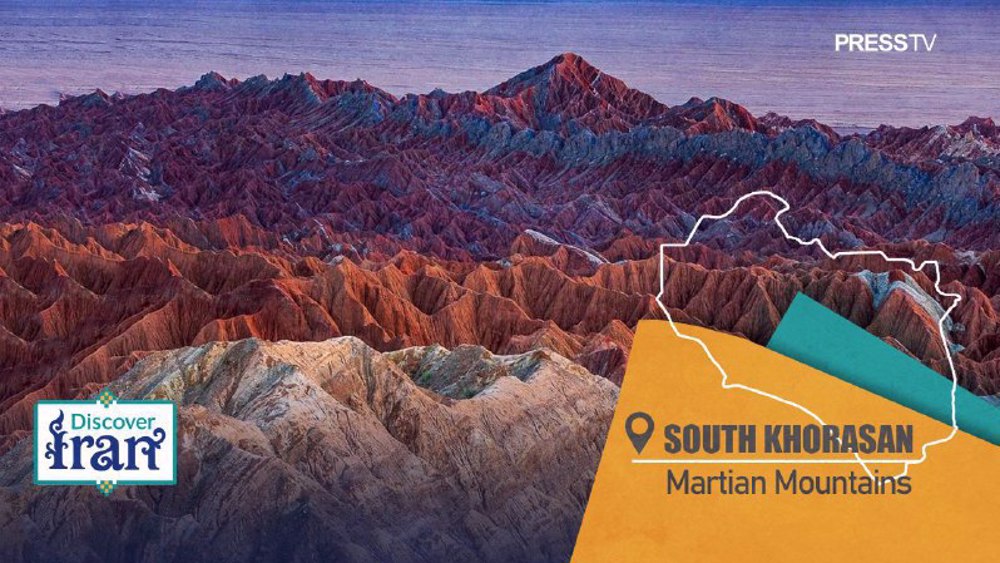
Discover Iran: Martian Mountains in South Khorasan, an otherworldly desert wonder
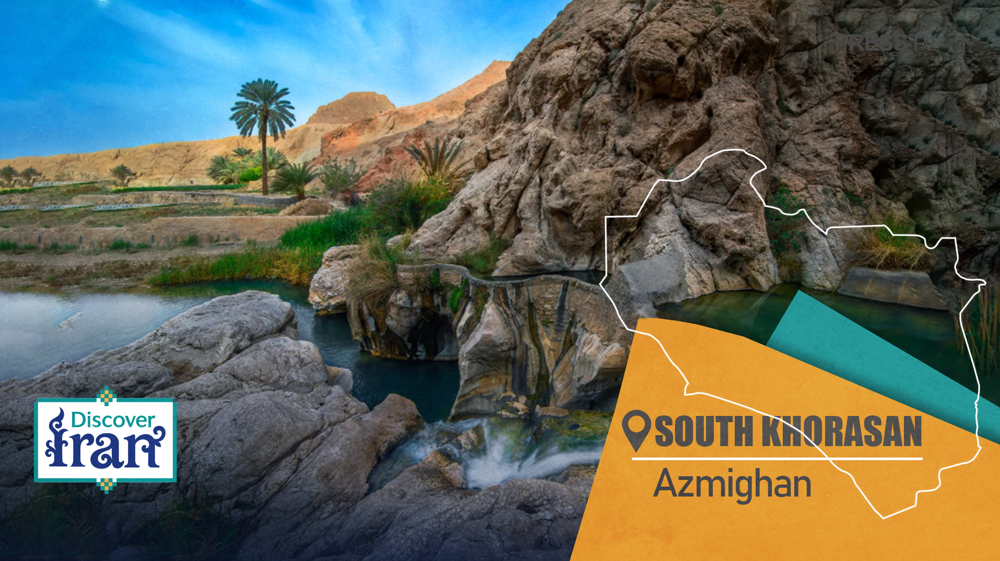
Discover Iran: Ezmeyghan – A South Khorasan village where rice paddies bloom in desert



US National Security Strategy is written for Israel: Tehran
VIDEO | Press TV's news headlines
How Lebanese Shiites welcomed Pope Leo XIV in a powerful display of national unity
Iran parliament speaker warns GCC states over repeated island claims
Kremlin welcomes US removal of Russia as ‘direct threat’ from National Security Strategy
Zelensky had ‘difficult’ talk with Americans about territorial issues: Report
US tried and failed to topple Iran’s government twice: Envoy
Israeli forces kill two Palestinians after alleged car-ramming attempt in West Bank


 PressTV NEWSLETTER
now
PressTV NEWSLETTER
now

 This makes it easy to access the Press TV website
