Healing through innovation: How Iran became a global powerhouse in nuclear medicine
By Ivan Kesic
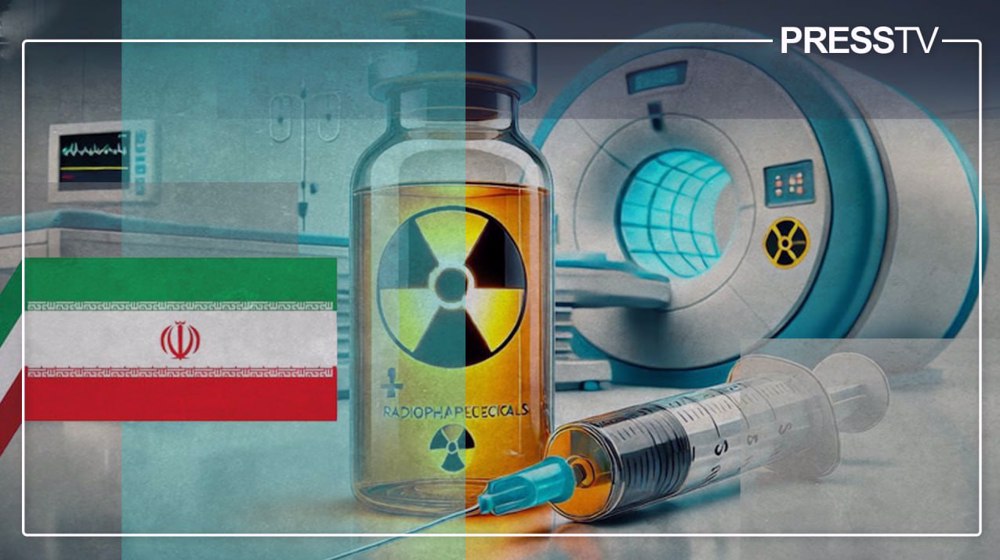
In the highly specialized and technologically demanding field of nuclear medicine, the Islamic Republic of Iran has charted an extraordinary path, evolving from a country dependent on imports to a globally recognized leader in radiopharmaceuticals and nuclear imaging equipment.
Today, it stands among the world’s top three producers, driving innovations that support treatments for millions of cancer patients.
The global radiopharmaceutical market, central to modern precision medicine, is projected to rise from an estimated $7.64 billion in 2024 to more than $35 billion by 2034, underscoring its expanding role in disease diagnosis and therapy, particularly in oncology.
Within this rapidly advancing sector, Iran has secured a position of notable capability and influence. Its achievements in self-sufficiency not only strengthen its domestic healthcare system but also establish the country as a key exporter and innovator.
Strategic investments led by the Atomic Energy Organization of Iran (AEOI), together with a dynamic network of knowledge-based companies, have produced a robust infrastructure capable of supplying a wide range of diagnostic and therapeutic radioisotopes.
These advances, realized despite significant geopolitical and economic pressures, reflect a deep national commitment to applying nuclear technology for civilian healthcare.
They have also ensured that sophisticated cancer diagnostics and treatments remain accessible and affordable for Iran’s population of more than 90 million.
Iran’s rise in this domain is more than a national milestone; it marks an important shift in the global nuclear medicine landscape, challenging longstanding monopolies and broadening access to life-saving technologies across the developing world.
Building the foundation: Infrastructure, production, and national each
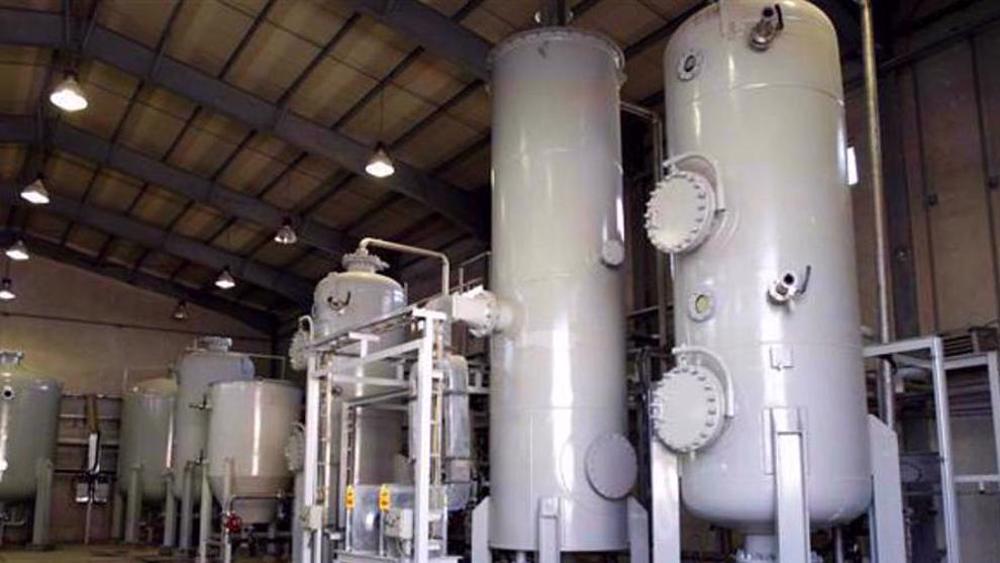
The cornerstone of Iran’s achievements in nuclear medicine is a meticulously constructed infrastructure that spans the full value chain, from isotope production in research reactors and cyclotrons to a nationwide network of advanced imaging and treatment centers.
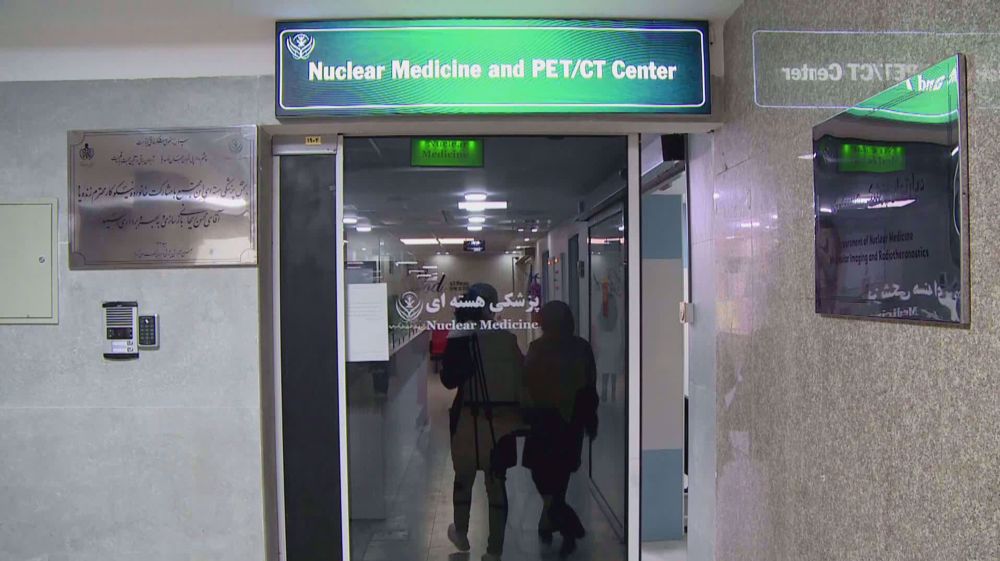
Iran’s engagement with nuclear medicine began in 1960 with basic thyroid studies. Since the Islamic Revolution, this modest starting point has grown into a system comprising more than 200 nuclear medicine centers equipped with 279 SPECT scanners and 26 PET/CT scanners, ensuring that all 31 provinces have access to essential diagnostic and therapeutic services.
Domestic radiopharmaceutical production, driven primarily by the state-owned Pars Isotope Company, has been transformative. By sharply reducing dependence on volatile global supply chains, it has shielded the country’s healthcare sector from the disruptions caused by economic sanctions and international market fluctuations.
Today, Pars Isotope produces and supplies an extensive portfolio of roughly 69 diagnostic, therapeutic, and palliative radiopharmaceuticals. Among them are cornerstone isotopes such as Technetium-99m, Fluorine-18, and Lutetium-177, which underpin a vast share of modern nuclear oncology and precision imaging.
The strategic installation and commissioning of cyclotrons in major hubs, including Tehran, Shiraz, and Mashhad, have further accelerated national capabilities. These facilities enable on-demand production of short-lived isotopes like Fluorine-18 for FDG PET imaging, representing a major leap forward in early cancer detection and advanced diagnostic capacity.
With this infrastructure in place, Iran now supports more than 6,500 nuclear medicine procedures domestically each year, meeting the needs of a growing patient population while laying a resilient foundation for future innovation and expansion.
Pioneering innovation: Breakthroughs in radiopharmaceuticals and theranostics
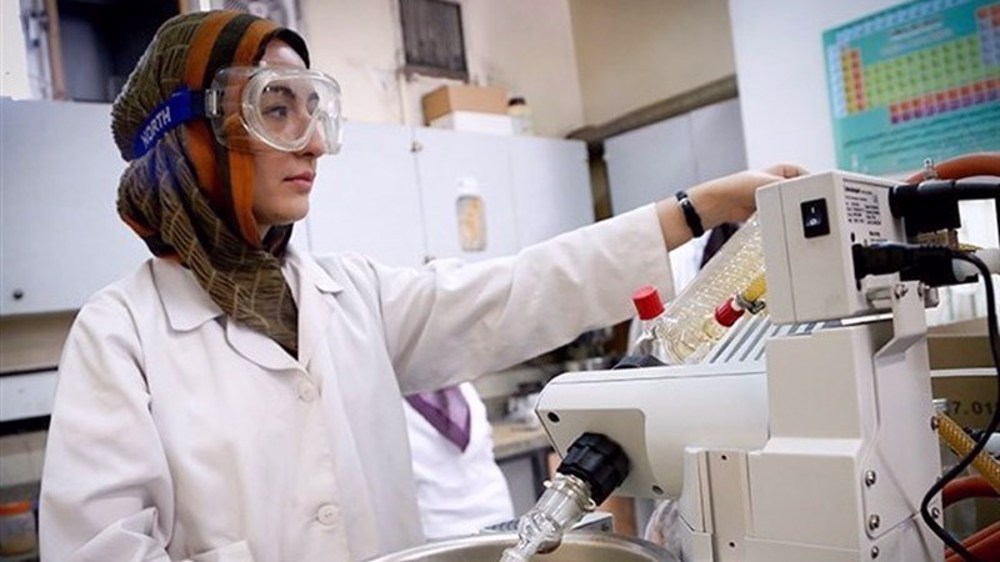
Beyond achieving self-sufficiency in standard radiopharmaceuticals, Iran has shown remarkable strength in advanced innovation, especially in theranostics, the cutting-edge approach that unites diagnostic imaging and targeted radiotherapy into a single, personalized treatment strategy.
A major milestone came in April 2025, when Iran announced the commercial production of Rhenium-188, a high-energy beta-emitting isotope.
With this achievement, Iran became only the second country in the world to manufacture the isotope at scale, ending a long-standing German monopoly.
Rhenium-188, with its 16.9-hour half-life, is uniquely formulated into a topical therapeutic cream for non-melanoma skin cancers. Clinical use has shown a striking 94% remission rate, providing patients with a precise, non-invasive treatment alternative that avoids surgical intervention.
Parallel to these therapeutic advancements, Iranian researchers have made significant progress in next-generation diagnostic agents such as Gallium-FAPI. By targeting fibroblast activation proteins, this tracer detects more than 30 cancer types, including pancreatic and lung carcinomas, with approximately 15% higher sensitivity than conventional imaging agents.
On the therapeutic side, agents such as Lutetium-FAPI, Lutetium-177-PSMA, and Lutetium-177-DOTATATE are now being applied to treat metastatic castration-resistant prostate cancer and neuroendocrine tumors.
Clinical studies report meaningful reductions in tumor volume and improved disease control, positioning Iran among the countries advancing precision radiotherapy.
Another noteworthy achievement is Iran’s domestic production of Technetium (99mTc) Tilmanocept, a sophisticated polymer-based radiopharmaceutical used for lymphatic mapping. This development makes Iran the second producer of the agent worldwide, after the United States.
The drug enables surgeons to identify tumor-draining lymph nodes with exceptional accuracy, sparing healthy tissue and reducing surgical complications for up to 90% of cancer patients—while being manufactured locally at roughly one-tenth the global cost.
Collectively, these innovations reflect a thriving research and development ecosystem that not only masters complex global technologies but also expands the frontier of targeted cancer care.

Sanctions, sovereignty, and global integration
Iran’s rise to prominence in nuclear medicine has unfolded in the shadow of substantial and persistent challenges, foremost among them the impact of international sanctions.
These restrictions have complicated the import of advanced equipment, spare parts, and specialized raw materials, creating risks of supply shortages, elevated costs, and delays in upgrading critical technologies.
One of the clearest examples is the limited number of cyclotron centers in the country, a scarcity widely attributed to barriers in acquiring the required technology from abroad.
Financial sanctions have also obstructed routine transactions with international suppliers, while geopolitical tensions have periodically hindered Iran’s ability to engage in collaborative research and development initiatives.
In the face of these constraints, Iran has advanced a deliberate strategy of technological sovereignty, channeling its nuclear expertise into civilian medical applications and cultivating a robust domestic industry. This shift has effectively turned a strategic vulnerability into a major advantage.
Today, the radiopharmaceutical sector generates an estimated $70 million annually through exports to 15 countries, including those in the region, Asia, and Latin America, and contributes roughly 1.1 percent to Iran’s manufacturing output.
By developing heavy water production capacity and mastering sophisticated radiochemical processes, the country has sharply reduced its reliance on imports and secured a stable supply of critical isotopes for its population.
This self-sufficiency bolsters national health security while elevating Iran’s standing as a center of scientific and technological capability.
It also positions the country as a potential partner for other developing nations seeking to build or strengthen their own nuclear medicine infrastructure, opening new avenues for economic, scientific, and diplomatic engagement despite ongoing external pressures.
Future perspectives and a vision for global health equity
As Iran solidifies its standing among the world’s leaders in nuclear medicine, attention is increasingly turning toward forward-looking priorities that will further elevate both its national capabilities and its international impact.
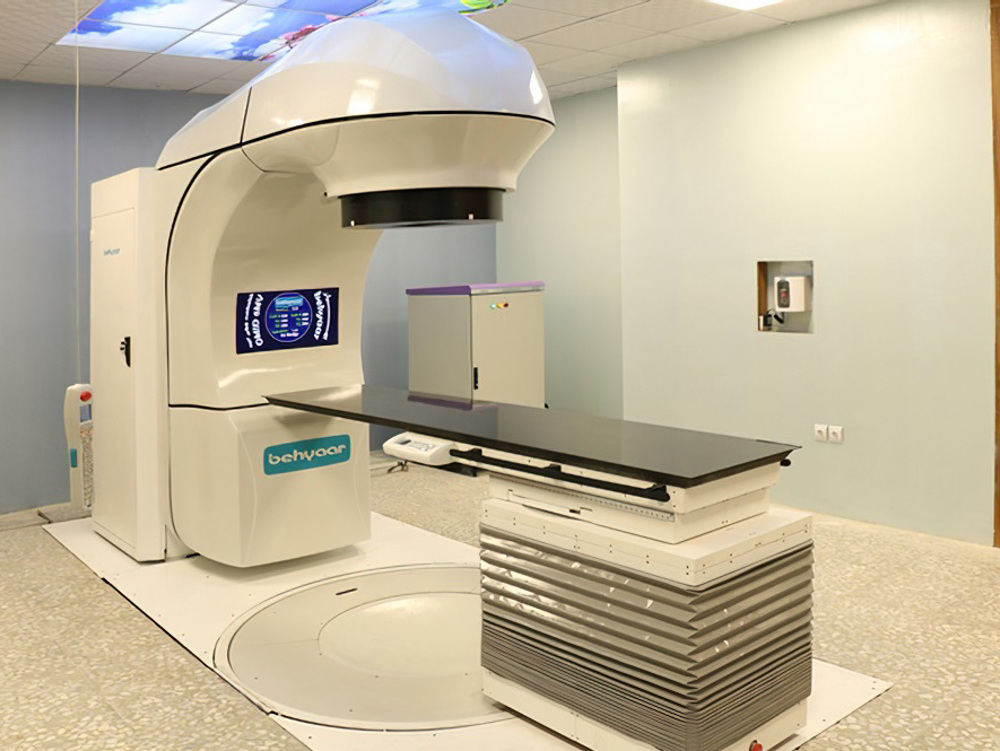
A central goal is the expansion of the country’s PET/CT infrastructure to more closely match global benchmarks and improve geographic equity in access to advanced diagnostic imaging. This effort is key to ensuring that every region of Iran benefits from the full potential of precision oncology.
Research and development initiatives are also intensifying around the next wave of theranostic technologies, particularly the use of alpha-emitting radionuclides such as Actinium-225, which offer powerful therapeutic potential against aggressive and treatment-resistant cancers.
At the same time, the integration of artificial intelligence into image analysis, workflow optimization, and individualized dosimetry represents a promising frontier.
These tools are expected to enhance clinical accuracy, streamline care, and enable more personalized treatment strategies.
Beyond its domestic ambitions, Iran’s growing expertise positions it to play a meaningful role in narrowing global disparities in cancer care. With the World Health Organization reporting that 60% of cancer patients in the Eastern Mediterranean region lack access to radiotherapy, Iran’s affordable production of tools such as Tilmanocept and Rhenium-188 cream offers a practical model for expanding access to advanced oncology in low- and middle-income countries.
Looking ahead, the future of Iranian nuclear medicine rests on a dual mandate: continuing its ambitious national program to push scientific boundaries for its own population, while also emerging as a significant contributor to global health equity.
By sharing its technologies, expertise, and cost-effective innovations, Iran has the potential to support other nations in building sustainable cancer-care infrastructure.
This trajectory, while dependent on navigating ongoing geopolitical complexities and maintaining transparency, positions Iran to leave a lasting mark as a transformative force in twenty-first-century medical science.
Anthropic admits advanced AI may pose ‘existential risks to humanity’
OpenAI models 'infiltrated' Australian govt. websites during internal testing: PM
Meet the Iranian researcher behind breakthrough method for high-dimensional data search


Israeli restrictions on access in Gaza an obstacle to aid, shelter: UN
VIDEO | Israeli attacks, restrictions devastate Gaza’s olive industry
‘We are not armed’: Last conversation of Iranian destroyer Dena before US attack
Trump’s Iran gamble turns into a search for an exit
Remains of 105 Palestinians retrieved from Gaza rubble
VIDEO | Iraqis mark Sovereignty Day as they celebrate withdrawal of US forces
‘Baseless news’: Iran debunks US claim of ordering Araghchi to leave NY
Pakistani airstrikes in Afghanistan kill 9 amid renewed escalation


 PressTV NEWSLETTER
now
PressTV NEWSLETTER
now
 This makes it easy to access the Press TV website
