Nuclear tech bearing new solutions for Iran’s economic future
Last Saturday, Iran inaugurated the northwest’s first agricultural irradiation center in Ardabil, highlighting the country’s commitment to using peaceful nuclear technology to enhance food security and tackle agricultural challenges nationwide.
The state-of-the-art facility, officially opened in the presence of Iran’s minister of agriculture and the head of the Atomic Energy Organization, is set to transform food preservation and export potential in the region.
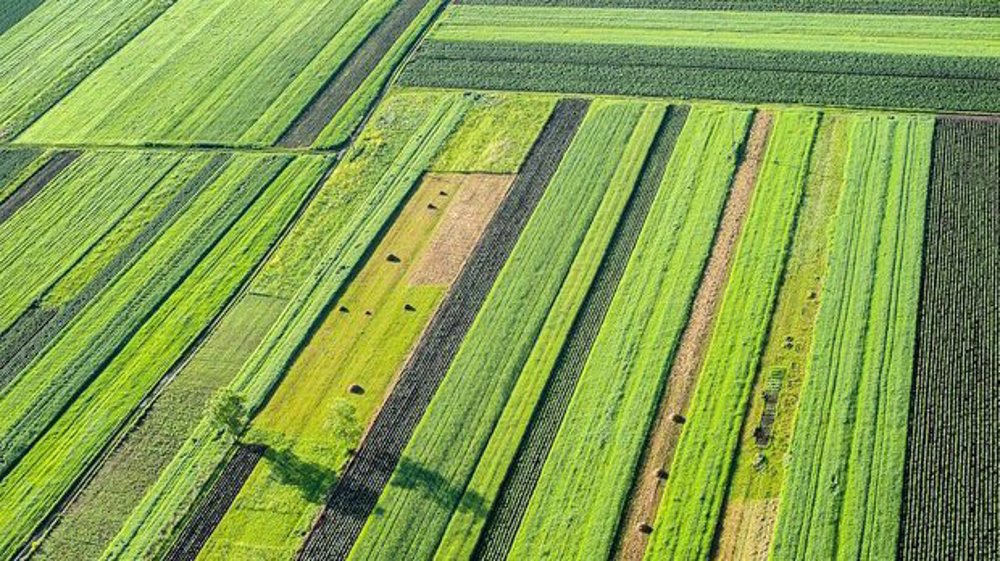
The Ardabil Irradiation Center in a province that accounts for about four percent of Iran’s total agricultural output despite covering less than one percent of its land represents a strategic investment in technology-driven growth.
The facility will irradiate up to 15,000 tons of produce annually in its first phase, with plans to expand capacity further and become a major hub for agricultural exports in northern Iran.
Irradiation is a process that uses controlled doses of ionizing radiation to extend the shelf life of perishable goods, eliminate pests, and improve food safety.
While the technology has been used in various countries for decades, Iran’s latest facility stands out as a practical application of its nuclear capabilities for civilian purposes, demonstrating how nuclear science can contribute directly to economic development and public health.
Iran’s agricultural sector faces numerous challenges, from unpredictable weather and water scarcity to pest control and post-harvest losses. These factors have increasingly strained farmers’ ability to maintain consistent production levels and compete in both domestic and international markets.
The introduction of irradiation technology is a timely and innovative solution to many of these problems.
By slowing down the natural ripening process and reducing microbial contamination, irradiation helps preserve fruits, vegetables, and other crops longer without the need for chemical preservatives.
This not only reduces waste but also opens new opportunities for producers to transport goods over longer distances and access far-reaching markets.
For a border region like Ardabil—famed for its potatoes, wheat, and orchard fruits—this means more stable incomes for farmers and expanded export revenues.
Moreover, irradiation can address strict import requirements imposed by many countries. International buyers demand produce free from pests and excessive pesticide residues, and irradiation meets these standards efficiently.
This gives Iranian exporters a valuable competitive edge, helping them secure new contracts and grow market share in global food trade.
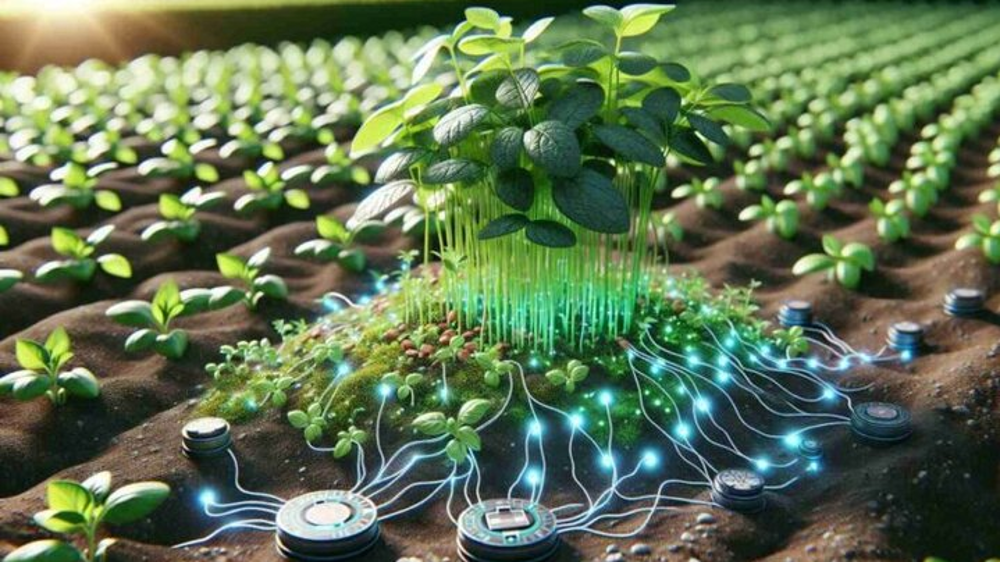
The center’s launch is the result of a multi-year collaboration between the Ministry of Agriculture and the Atomic Energy Organization of Iran, highlighting a broader national strategy to leverage nuclear science in peaceful ways.
It is a clear example of how Iran’s scientific expertise is being channeled into practical applications that enhance everyday life and economic resilience.
The facility is also a hub for knowledge transfer and technical training, equipping local professionals with advanced skills in radiation technology, food safety protocols, and quality control.
These capabilities will strengthen the province’s agricultural infrastructure and build human capital, key components for long-term growth.
Ardabil itself is an agricultural powerhouse with roughly 750,000 hectares of farmland, including both irrigated and rain-fed areas. Wheat cultivation occupies the largest share of land, but the region’s diverse production also includes significant volumes of potatoes and fruits.
The province’s farmers have traditionally faced challenges such as drought, unpredictable rainfall, and pest infestations, all of which can cause large-scale losses.
The new irradiation center provides a technological answer that mitigates these vulnerabilities by preserving crops post-harvest and ensuring product quality.
Iran’s government has made improving food security and promoting rural development a priority, with the introduction of nuclear irradiation technology aligning perfectly with these goals.
By applying cutting-edge science to traditional farming, the country aims to improve productivity, reduce environmental impact, and secure sustainable food supplies for a growing population.
The irradiation process itself is environmentally friendly. By reducing spoilage and pesticide use, it helps conserve natural resources such as water and soil.
In a country where climate change and water scarcity pose growing risks to agriculture, these benefits are particularly important. Enhancing the durability and safety of agricultural goods while lowering chemical inputs contributes to a more sustainable farming model.
Iran’s embrace of peaceful nuclear technology also signals a broader willingness to innovate. Nuclear science is often associated with energy production or defense, but Iran’s latest move demonstrates how this knowledge can benefit sectors like agriculture, healthcare, and industry.
The irradiation center showcases the country’s scientific capabilities and commitment to peaceful uses of nuclear energy.
There are strong economic incentives tied to this development as well. Reducing post-harvest losses can significantly increase farmers’ revenues.
Longer shelf life allows producers to time market sales more strategically rather than rushing to sell immediately after harvest. Better product quality can command higher prices both at home and abroad.
In turn, these improvements can stimulate local economies, create jobs, and increase investment in rural areas.
The Ardabil center also fits into a larger trend within Iran to decentralize and diversify its agricultural support infrastructure.
Historically, much of Iran’s industrial and scientific development has been concentrated in Tehran and other major cities.
By establishing advanced facilities in provinces like Ardabil, the government is empowering local communities and making technology more accessible to farmers across the country.
The impact of this technology goes beyond Ardabil, as other provinces are already expanding the use of irradiation to benefit farmers across the country.
Iran’s investment in this area also opens doors for further research and development. Scientists and agronomists can explore new applications of irradiation, from enhancing seed quality to controlling agricultural pests. The knowledge gained can spur innovation, not only in Iran but across the region.
Ultimately, the Ardabil Irradiation Center stands as a practical example of how science and technology can drive positive change in agriculture.
Minister: Iran oil sales continue uninterrupted despite US blockades
The illusion of ‘maximum pressure’: New Iran sanctions recycle failed strategy with same old results
Iran announces discovery of major gas field in southern Fars province



IRGC Navy says Strait of Hormuz under Iran’s ‘complete and decisive’ control
Iran’s security chief, parliament speaker hail Leader’s remarks on national unity, social cohesion
Islamic Jihad says three members martyred in Israeli attack in West Bank
Human rights turned into political tool in hands of West: Iran FM
Belgium summons US ambassador after he targeted health minister
VIDEO | Press TV's news headlines
Key to solving economic issues lies in domestic production, phasing out dollar: Leader
Ansarullah: Saudi Arabia should revise its calculations about Yemen


 PressTV NEWSLETTER
now
PressTV NEWSLETTER
now
 This makes it easy to access the Press TV website
