Uganda denounces use of UN Security Council as a ‘tool’ to pressure Iran
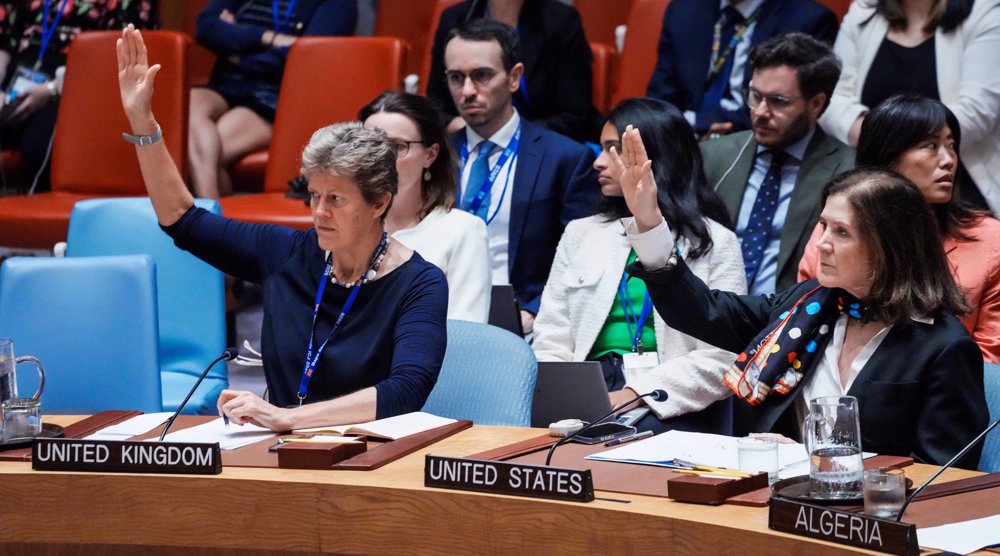
Uganda’s foreign minister has denounced the “instrumental use” of the UN Security Council to pressure Iran, after the 15-member body voted to reinstate sweeping “snapback” sanctions on the Islamic Republic.
General Odongo Jeje Abubakhar made the statement in a meeting on Saturday afternoon with Iranian Foreign Minister Abbas Araghchi, who is in New York to attend the annual session of the United Nations General Assembly.
Abubakhar denounced the instrumental use of the UN Security Council to exert pressure on Iran and emphasized Kampala’s support for the right of all member states of the Non-Aligned Movement to peacefully utilize nuclear energy.
Uganda’s foreign minister reaffirmed his country’s principled stance and that of the Non-Aligned Movement, condemning the military aggression by the Israeli regime and the US against Iran in June.
During the meeting, the two sides also discussed bilateral relations and ways to expand cooperation in various fields, including economy, trade, technology, and agriculture.
The two foreign ministers also exchanged their views on strengthening coordination and collaboration between Tehran and Kampala within international organizations.
Araghchi, for his part, underscored the high importance the Islamic Republic places on expanding relations with developing countries, particularly in Africa, and expressed Iran’s readiness to enhance bilateral cooperation across all sectors.
Araghchi and Abubakhar also discussed international developments, with the top Iranian diplomat praising Uganda’s efforts and initiatives in its role as chair of the Non-Aligned Movement.
The Iranian foreign minister also stressed the need for the movement to play a more effective role in confronting unilateralism and violations of international law, especially the unjust sanctions imposed on developing countries.
On Friday, the US and its allies, the so-called European troika, vetoed a draft resolution from Russia and China that sought to delay the imposition of the snapback mechanism following the termination of the Joint Comprehensive Plan of Action (JCPOA).

The JCPOA lifted the sanctions, which had been imposed on Iran by the Security Council and the US, the UK, France, and Germany over unfounded allegations concerning Tehran’s peaceful nuclear program.
The US withdrew from the JCPOA in an illegal and unilateral move in 2018 and then re-imposed its sanctions that the deal had removed.
After the American withdrawal, the UK, France, and Germany also resorted to non-commitment vis-à-vis the Islamic Republic by stopping their trade with Tehran.
The Friday vote came after the trio launched their own bid to activate the “snapback” on August 28.
Tehran refused to categorically rule out talks with the European troika even after illegal and unprovoked attacks by the Israeli regime and the United States against key Iranian nuclear facilities in June, which made it impossible for the IAEA to continue its inspections as before.
Iran’s latest goodwill gesture came on September 9, when it signed a framework agreement with the IAEA aimed at resuming cooperation with the agency, which had been suspended following the aggression.
Iran, Nicaragua call for unity among developing nations
In a separate meeting on Saturday afternoon, Araghchi held talks with his Nicaraguan counterpart, Denis Ronaldo Moncada.
The foreign ministers discussed bilateral ties, with Araghchi describing the longstanding ties between Iran and Nicaragua as valuable and significant, and reaffirming the Islamic Republic’s readiness to strengthen cooperation in all areas of mutual interest.
The meeting also included an exchange of views on regional and international developments.
Araghchi and Moncada condemned crimes committed by the Israeli regime in the occupied Palestinian territories and stressed the urgent need to halt the genocide in Gaza.
The ministers also censured Tel Aviv’s aggression and warmongering in West Asia, and stressed the importance of enhanced cooperation and coordination among developing countries and the Non-Aligned Movement to uphold the rule of law and confront violations of international norms.
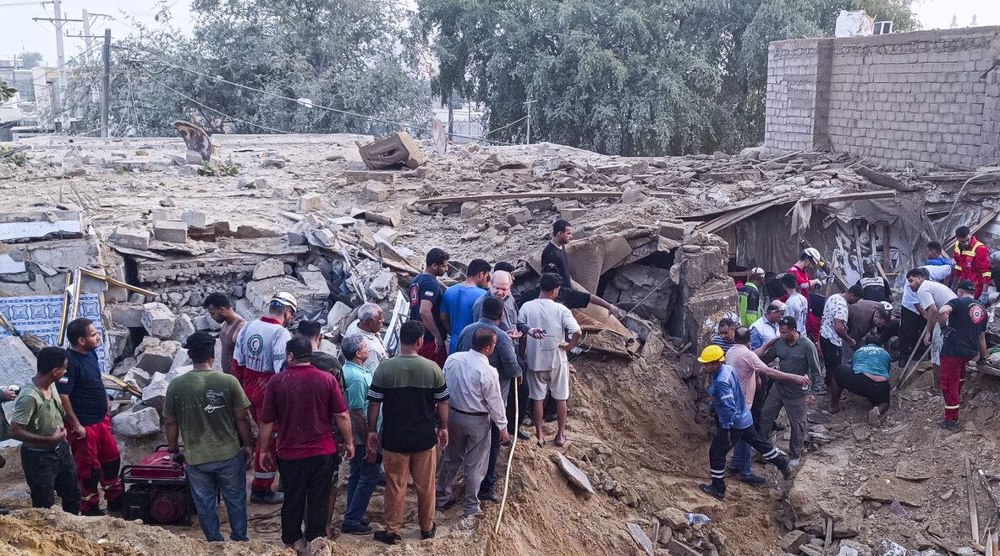
US attack on residential home in Iran’s Qeshm kills toddler, parents
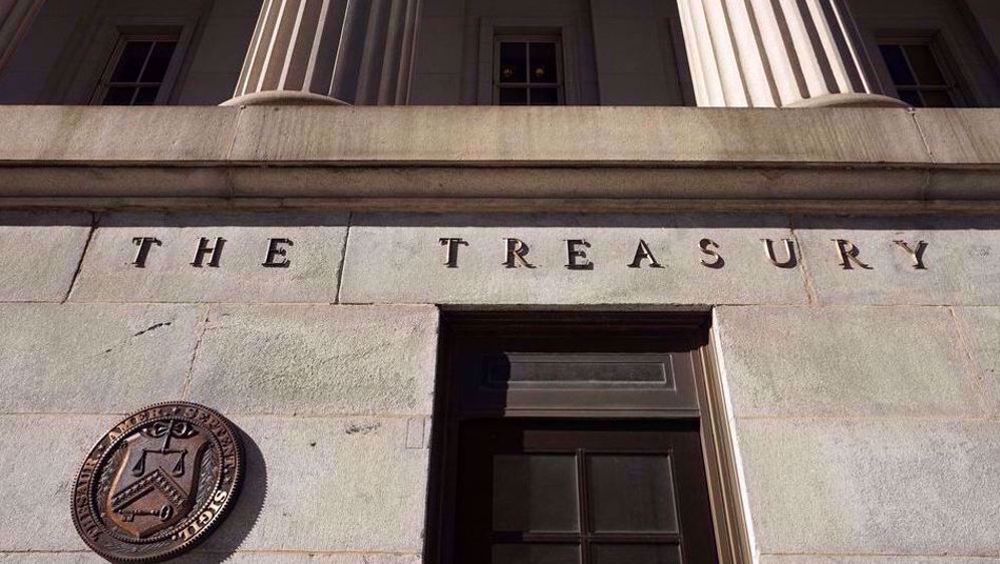
US issues sanctions targeting Iran’s strategic grip on Strait of Hormuz
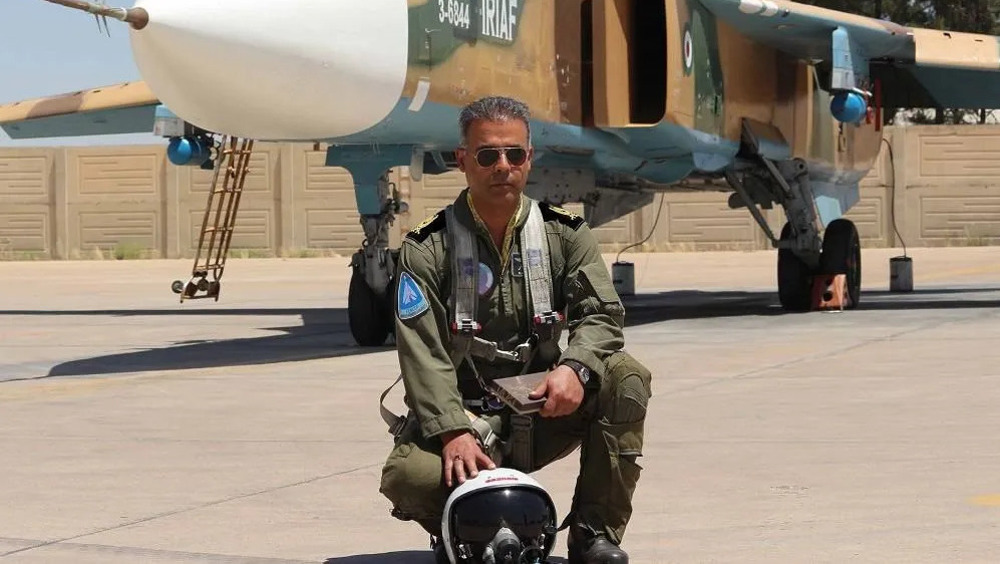
‘True heroes’: Iran’s Army chief hails martyred pilot who struck US bases


Qalibaf: US will pay the price for terrorist attack on Iranian civilians
Iran FM warns of Israeli false-flag plots after drone attack in Egypt
VIDEO | Iran asserting control over Hormuz
Coffins now part of US equipment in region: Top Iranian commander
Response to US-Saudi aggression must protect Iraq’s sovereignty, deter future attacks: Analyst
Tel Aviv seeks deeper military integration with Washington as US support for Israel erodes: Report
VIDEO | Press TV's news headlines
IRGC releases evidence debunking CENTCOM’s claims of 'zero damage' in Jordan strike


 PressTV NEWSLETTER
now
PressTV NEWSLETTER
now
 This makes it easy to access the Press TV website
