‘Your success is our success’: Ex-CIA chief hails Syria’s Jolani, years after jailing him in Iraq

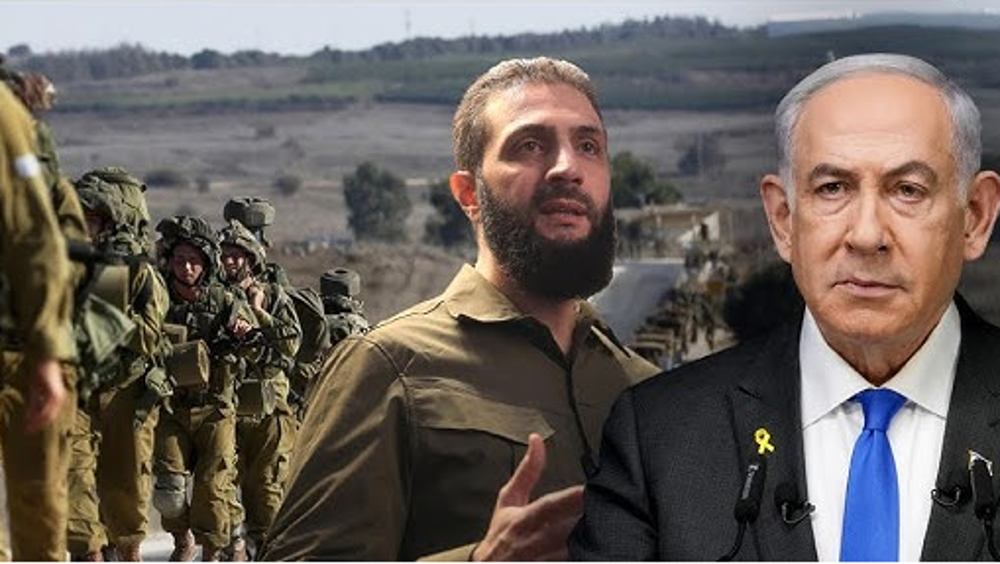
Former CIA director David Petraeus has lauded the “powerful” and “clear” vision of Syria’s self-proclaimed president, Abu Mohammed al-Jolani, years after arresting him for fighting against the US invasion of Iraq.
Petraeus, who commanded US forces during the US war on Iraq before becoming the CIA director, spoke with al-Jolani at the Concordia Summit on Monday.
The dialogue covered Syria’s challenges, including reconstruction, governance, sanctions, and regional ties.
Petraeus said his discussion with the former Al-Qaeda commander in Iraq and Syria “has filled [him] with enormous hope.”
“Your vision is powerful and clear. Your demeanor is very impressive as well … We obviously hope for your success, Inshallah, because at the end of the day, your success is our success,” Petraeus stated.
Al-Jolani first went to Iraq to join Al-Qaeda after the 2003 invasion, becoming known for sending suicide bombers against civilians. He was reportedly detained by US forces in 2005 and held at Camp Bucca.
Released in 2009, he became the Emir of the Islamic State of Iraq (ISI) in Mosul, before moving to Syria in 2011 to create the Nusra Front on orders from the ringleader of the Daesh (ISIS) terrorist group Abu Bakr al-Baghdadi. A year later, al-Nusra joined other groups to form Hayat Tahrir al-Sham (HTS).
Although the US State Department listed al-Jolani as a terrorist in 2012 and placed a $10 million bounty on him, the CIA covertly supplied weapons and funds to the HTS.

Journalist Seymour Hersh has reported that Petraeus created a “rat line” from Libya to Syria to move weapons to the HTS and other militants seeking to overthrow the former Syrian president, Bashar al-Assad.
The CIA program, called Timber Sycamore, had an annual budget of more than $1 billion. It ultimately enabled al-Jolani to oust Assad and set up an extremist regime in Syria in December.
Former French intelligence officer and analyst Thierry Meyssan stated that Petraeus continued supporting Al-Qaeda groups, including the HTS, even after resigning from the CIA in 2012 following a sex scandal.
Petraeus later joined private equity firm Kohlberg Kravis Roberts (KKR), led by billionaire Henry Kravis, which Meyssan said financed HTS for the CIA through unofficial channels.
Speaking about Israel’s genocidal war on Gaza, al-Jolani rejected speculation that Syria might join the so-called Abraham Accords to normalize relations with Israel.
He said the genocide made broad normalization with Israel impossible, but noted that limited security arrangements might still be considered.
Before al-Jolani’s trip to New York, Syrian and Israeli officials were holding negotiations on security measures that would allow Israel to keep control of Mount Hermon, enforce a no-fly zone over southern Syria, and stop Syrian forces from entering a demilitarized zone in the south.
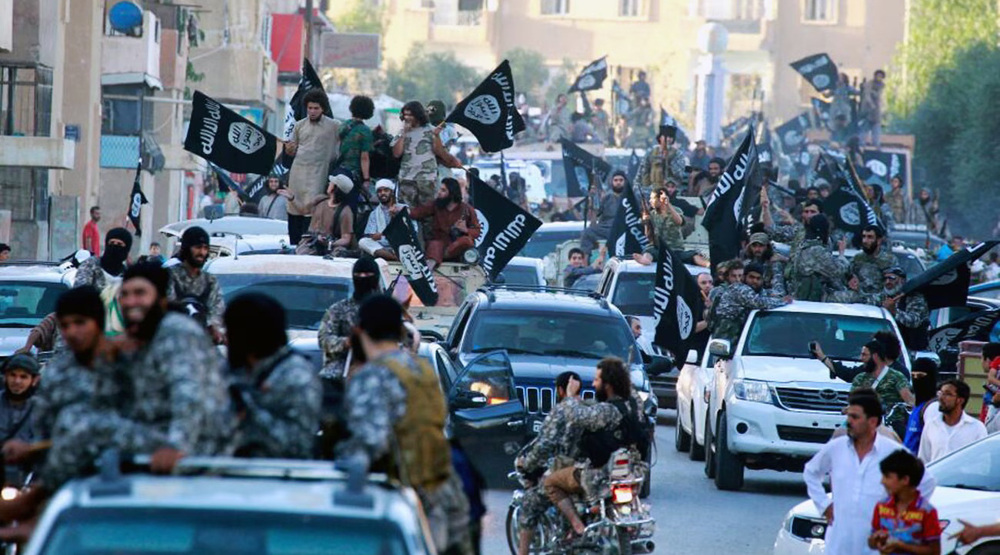
Daesh leaders reemerge in Raqqah amid growing instability in Syria
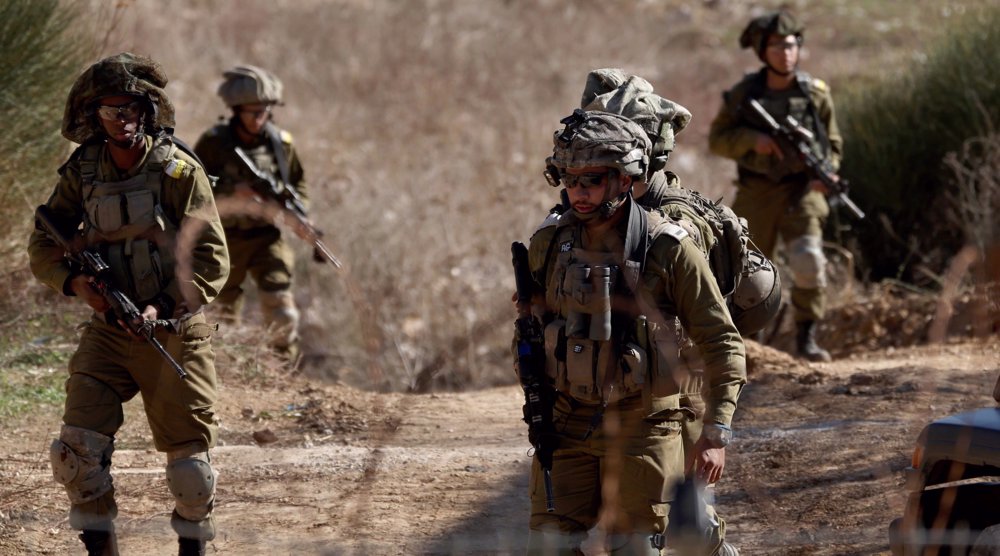
Israel conducted 41 incursions into Syria in February amid HTS silence: Report
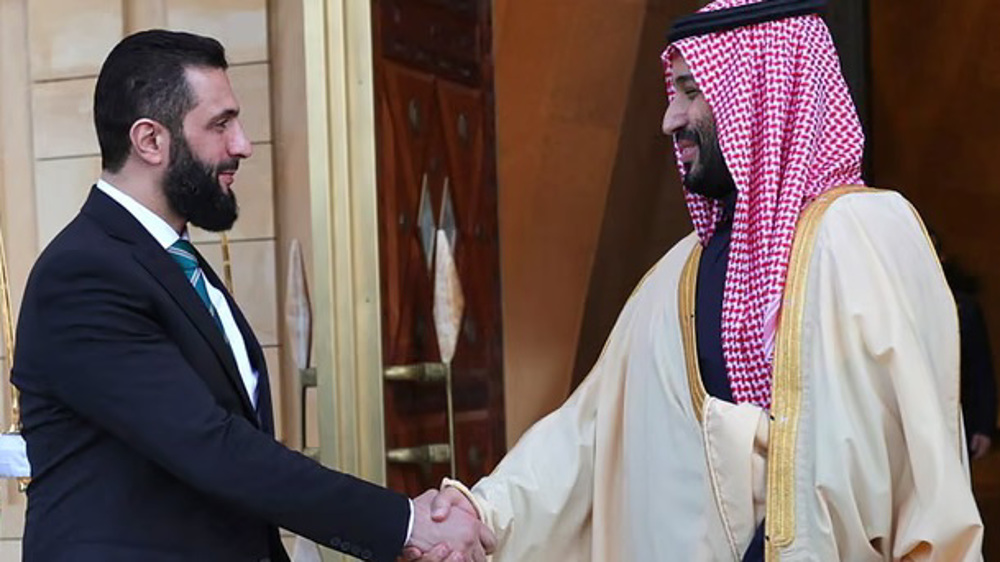
Saudi-Greece fiber optic project to pass through Syria instead of occupied territories: Report


Iran downed 11 US MQ-9 Reaper drones worth over $330mn: report
Iran official rejects Trump’s claims on women footballers, says ‘games’ can't divide country
Iran FM defends attacks on American bases in region citing US propaganda video
Iran will not target any country not used for aggression: Pezeshkian
Iran launches wave 33 of True Promise 4 op. with Kheibar Shekan missiles
True Promise 4: Iran and resistance axis ops. against US-Israeli assets on Mar. 9
Top official: Iran ready for a long war with US, no more diplomacy
Ansarullah leader felicitates Iranians on election of new Islamic Revolution leader




 PressTV NEWSLETTER now
 This makes it easy to access the Press TV website