JCPOA snapback mechanism and E3 machinations

For nearly two decades, Iran's peaceful nuclear program has been met with relentless opposition from the West. Pressure came in many forms, endless negotiations that went nowhere, punishing sanctions and even military action.
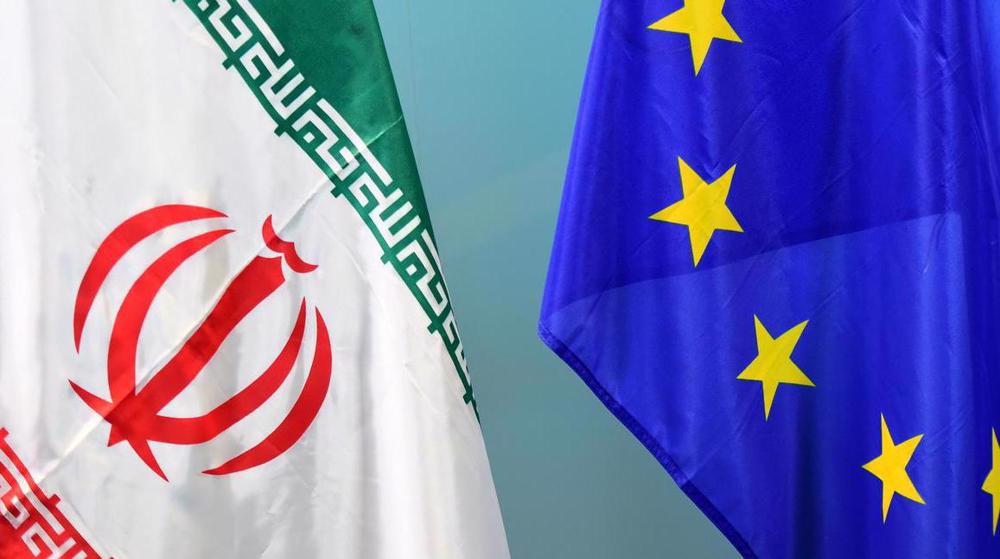
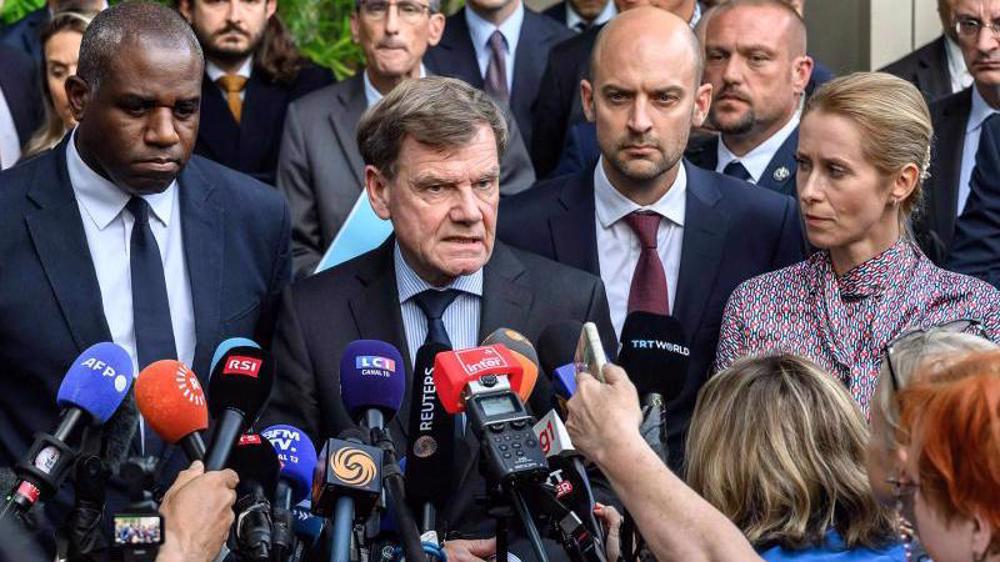
When Israel and the United States struck Iranian nuclear sites with uncertain results, the European trio, France, Germany and Britain, stepped in with their own strategy, activating the so-called snapback mechanism.
On August 29th, 2025, they triggered the countdown for the automatic return of UN sanctions on Iran. The move was immediately welcomed in Washington and Tel Aviv.
But what exactly is the snapback? Why does Iran reject it? And what does this showdown reveal about Europe's role in the nuclear dispute?
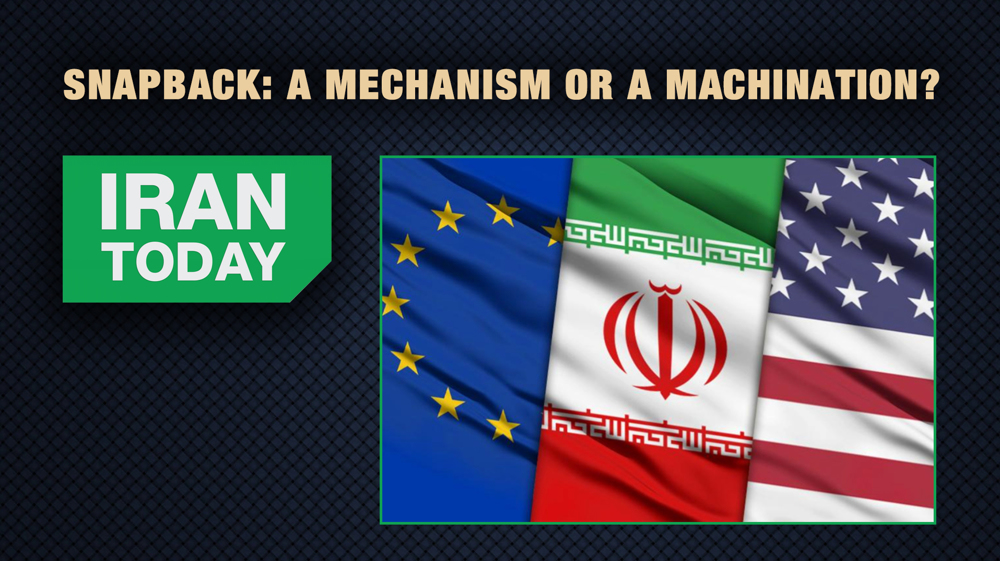
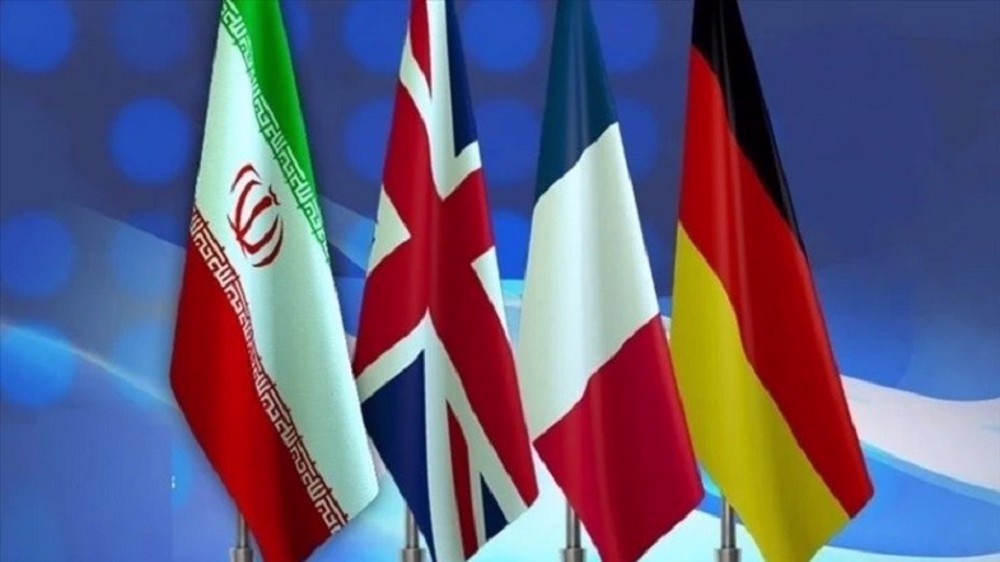
France, Britain and Germany, the three signatories of the JCPOA, have now activated the snapback mechanism. This mechanism has always hung over Iran like the sword of Damocles, suspended and ready to drop.
And despite the fact that these very countries have repeatedly violated the deal themselves, it was entirely predictable that they would not abandon such a pressure tool against Iran.
Not long ago, when US President Donald Trump, the man who tore up the JCPOA back in 2018, demanded new talks with Iran, these three European states stood on the sidelines. They remained silent, despite being part of the very agreement Trump shredded.
Only after Washington and Tel Aviv launched illegal attacks on Iranian facilities did the European Troika resurface, and their first priority was not reviving the nuclear accord, but weaponizing it, invoking a snapback to UN sanctions.
To critics, it looked less like diplomacy and more like appeasement, a way to curry favor with Washington, rather than to uphold an agreement they themselves had failed to honor.
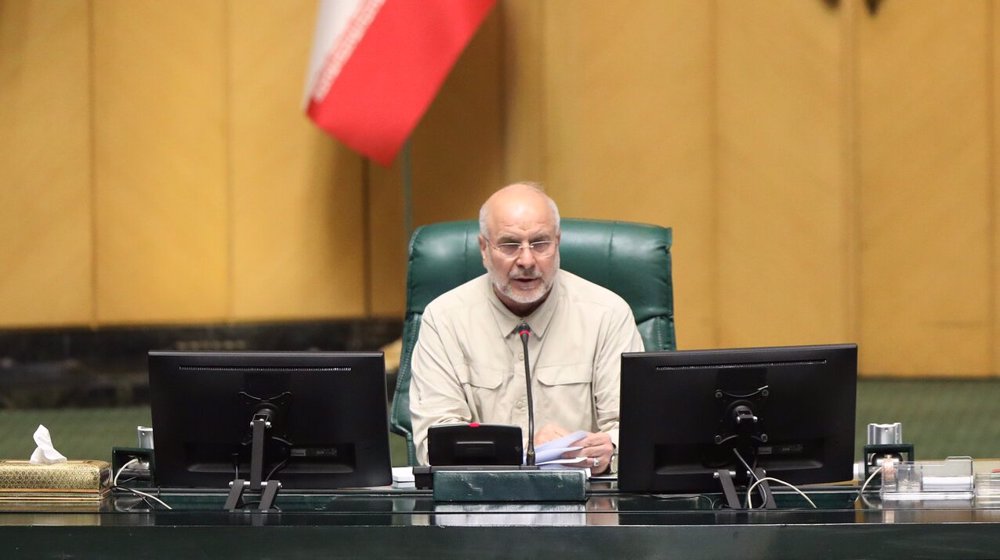
Iranian MP Mr. Esmail Kowsari, a member of the National Security Commission in Parliament, is of the view that allegiances can speak louder than treaties, sometimes louder than reason itself.
Unfortunately, these three European countries and others, both inside and outside the region, do not take any action without US approval. In effect, they are simply America's followers.
This is not an independent policy. It is exactly what Washington wants.
Their hostility intensified after the recent 12 Day War, when they failed to achieve their objectives against us. They sought to weaken and even divide Iran, but by God's grace, they did not succeed.
Having failed, they are now resorting to these political maneuvers.
Esmail Kowsari MP, National Security Commission
The term snapback refers to the automatic reinstatement of sanctions against Iran. It is in fact, a legal and diplomatic process under UN Security Council resolution 2231, the resolution which endorsed the 2015 nuclear agreement between Iran and six world powers, five permanent Security Council members, plus Germany.
With its adoption, six earlier resolutions that had imposed sweeping sanctions on Iran were lifted.
Now with the activation of the snapback mechanism, those same six resolutions are set to be reimposed.
The snapback doesn't just mean sanctions, it means the automatic return of six hard hitting UN Security Council resolutions.
Resolution 1696, 2006, demanding Iran suspend uranium enrichment.
Resolution 1737, 2006, banning sensitive nuclear activities and restricting technology transfers.
Resolution 1747, 2007. escalating financial and arms restrictions.
Resolution, 1803, 2008, targeting banks, cargo inspections and imposing more travel bans.
Resolution 1835, 2008, reaffirming earlier demands.
Resolution, 1929, 2010, the toughest of them all, comprehensive arms embargo, major banking and shipping restrictions.
Together, they represent the harshest era of sanctions Iran has ever faced, an era the JCPOA was supposed to end not revive.
Mr. Kowsari said, when the accuser forgets their own record, the debate becomes theater.
They are exaggerating the issue far beyond what it merits. Legally, the real question is why they themselves failed to honor their commitments.
Instead of being held accountable, they now act as if they're above the very agreements they drafted and approved. As far as I can tell, the matter is not as significant as they claim.
Yes, they have imposed sanctions on us, and now they speak of reactivating UN sanctions and similar measures. But in substance, it's not a major development.
The real impact is psychological, not practical. Economically, they think these pressures will cripple us, but that is not the case. We know how to continue our work and how to adapt so the damage will be limited.
Esmail Kowsari MP, National Security Commision
Europe says Iran failed to uphold its commitments. Tehran replies, not true. Every step it has taken, it insists, was allowed under the deal itself.
Article 36 of the JCPOA is clear, if one party leaves or others fail to deliver, Iran has the right to scale back its commitments.
The United States walked out of the JCPOA in 2018. Europe promised to fill the gap and failed. So when Iran reduced compliance, it asserts it was acting within the agreement, not outside it. International law supports that position.
The Vienna Convention states that a party that breaks its own obligations cannot hold others accountable. By that standard, it is Europe rather than Iran that stands in violation.
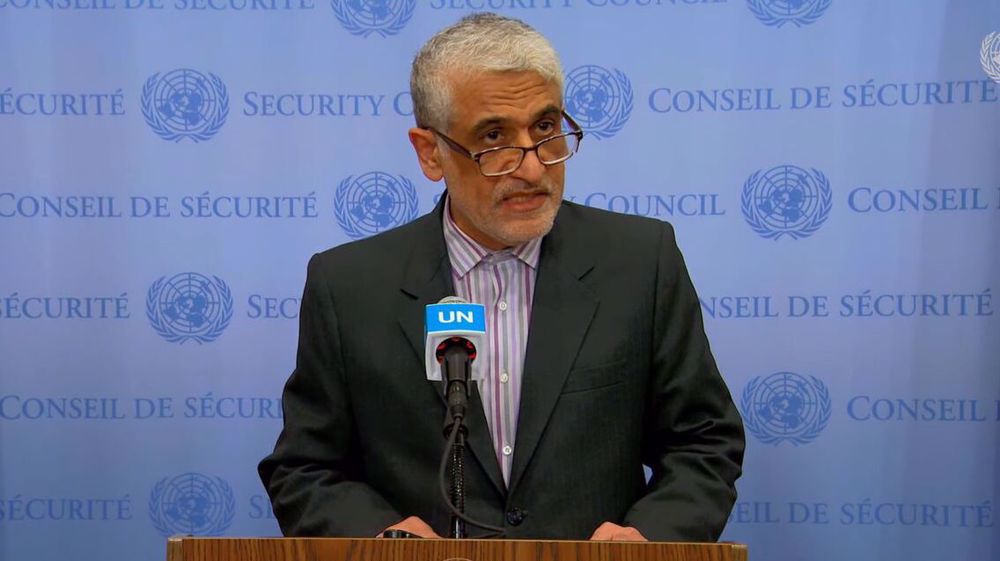
We also talked to Dr Mohsen Abdullahi, Associate Professor of International Law at Shahid Beheshti University. We asked him to put the European troika's move into legal perspective.
According to articles 36 and 37 of the JCPOA, a state wishing to refer a compliance dispute to the UN Security Council, must first exhaust several layers of dispute settlement.
The issue must begin in the Joint Commission, if unresolved, it proceeds to the level of foreign ministers and may also be reviewed by a three member advisory panel.
Only after these steps can a participant state decide either to limit its own commitments or to bring the matter before the Security Council.
The European Troika has not observed these procedures.
In their eighth of August 2025 letter, they asserted that they had already triggered this process in 2020, however, as both Russia and China emphasized in their formal correspondence, the matter remained unfinished, and the prescribed sequence was not completed.
Dr Mohsen Abdullahi, Associate Professor of International Law, Shahid Beheshti University
And there's another twist, after Israeli and American air strikes left Iranian nuclear facilities badly damaged. Europe is now citing violations of a program that, in many respects, no longer exists in its original form.
Tehran calls that claim absurd. How can you enforce obligations on centrifuges that were bombed into rubble?
Then there's procedure, with the United States gone, the JCPOA Joint Commission is incomplete, filing a snapback complaint without it, Iran argues, is legally hollow.
Russia and China agree, telling the UN Security Council that Europe's action is unlawful, and contrary to both the JCPOA and the international treaties it rests upon, and Europe's record doesn't help its case.
Remember INSTEX, the mechanism unveiled with fanfare in 2019 to keep trade flowing.
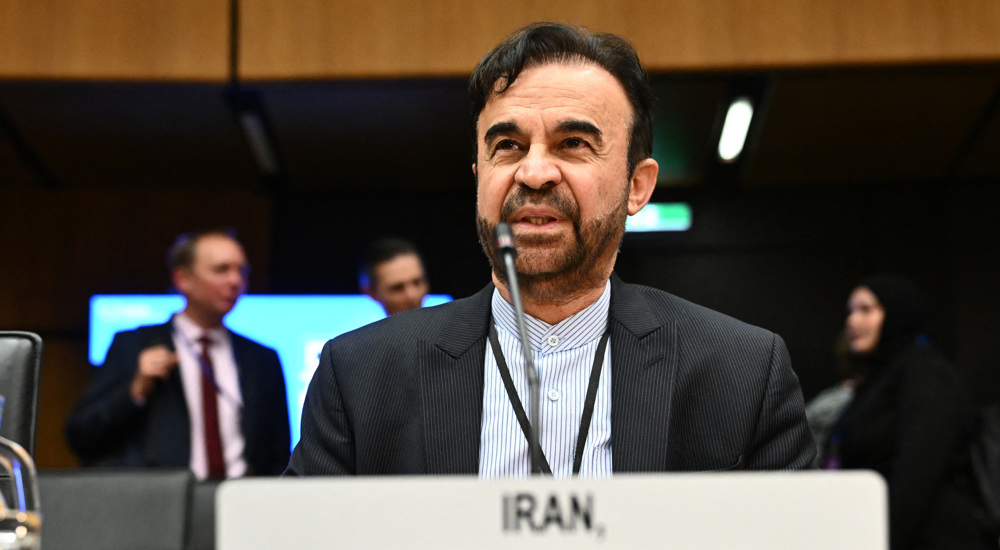
Iran considers the activation of the snapback mechanism as unlawful. What legal evidence does Iran have to support this claim?
Following the US withdrawal in May 2018 the European parties failed to honor their own obligations. They neither lifted economic sanctions nor facilitated normal trade, banking transactions or access to SWIFT.
Their proposed mechanism, INSTEX, collapsed without delivering results. Moreover, in 2023 the eighth year of the agreement, they were required to undertake specific legislative measures at the EU level, but did not.
Thus, the European states are in breach, both procedurally and substantively. From a legal perspective, they lack the standing to invoke the snapback mechanism.
Iranian officials have also argued that by consistently disregarding the agreement, these states have forfeited their status as JCPOA participants, and therefore cannot claim rights reserved for participants.
Dr Mohsen Abdullahi, Associate Professor of International Law, Shahid Beheshti University
According to reports, until January 2020, not a single transaction was carried out through INSTEX. Only in March 2020 did one limited deal take place, the export of medical equipment worth £500,000 from Germany to Iran, which amounted to just 0.003% of the £1.5 billion in trade between the two countries in 2019.
In January 2021, the Central Bank of Iran declared that the lack of courage by European states in exercising economic sovereignty and their inability to finance INSTEX were the main reasons for the mechanism’s failure.
Meanwhile, major european corporations such as Total, Siemens, and Airbus left the Iranian market under US pressure.
Instead of relief, Iran got new restrictions, so-called human rights and missile sanctions, targeting individuals and institutions.
All of this, critics say, is counter to the spirit and the letter of the nuclear deal.
All said and done, the current crisis is not the result of Iranian defiance. It's the direct result of broken promises by Washington and Europe.
The United Nations resolution endorsing the JCPOA demanded full compliance. Instead, America walked away, Europe stood aside, and Iran, under maximum pressure, was left to fend for itself.
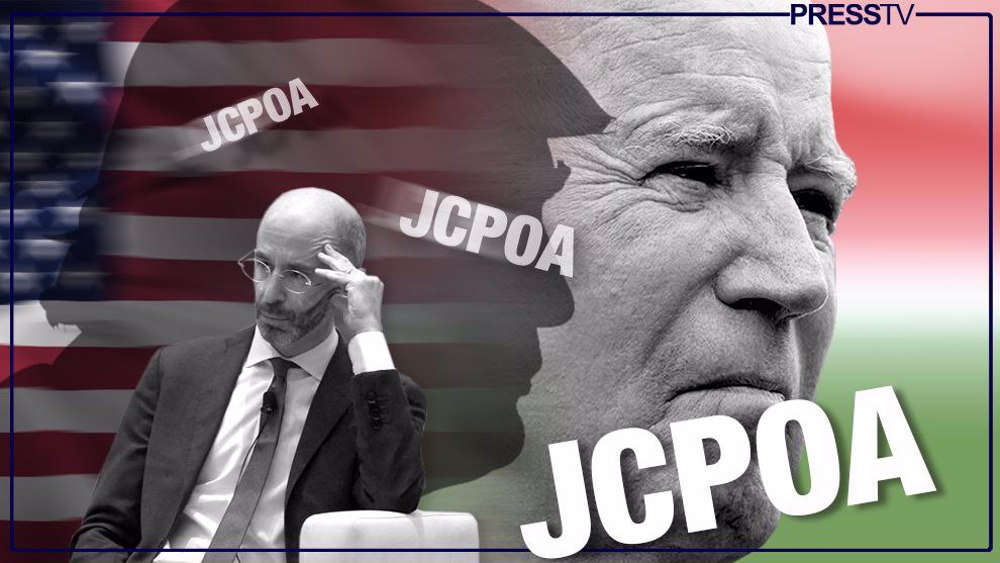
According to Mr. Hanif Ghaffari, an international affairs analyst based in Tehran, in the global political context often overrules the text.
To what extent do you think that this move carried out by the three European countries was an independent move, rather than the result of US pressure?
In international relations every phenomenon has both a textual and a contextual dimension.
The textual dimension pertains to treaties and formal agreements such as the 2015 nuclear deal, the JCPOA.
The contextual dimension reflects the political realities that dominate these texts, effectively making the textual provisions a dependent variable shaped by broader political considerations.
This principle has always applied to Iran's nuclear file, the JCPOA has always had a stronger political than legal dimension.
The behavior of the Obama administration prior to the US withdrawal, and the subsequent actions of the Trump administration, clearly demonstrate that political considerations have consistently outweighed the good ones.
European states operate within this same context, Germany, France and the UK, along with other EU members, position themselves as politically aligned with Washington due to security ties within NATO and economic and infrastructural linkages.
Thus, we cannot treat Europe as independent of the US and the activation of a snapback mechanism should be seen as a political and purely legal action.
Hanif Ghaffari, International Affairs Analyst
The principle of good faith, enshrined in the UN Charter and the Vienna Convention, is supposed to govern all treaties. But when Europe itself has acted in bad faith, can it really invoke the snapback clause with credibility?
Even European diplomats admit this is their last card. Play it, and there's nothing left. Instead of making Europe stronger, it risks making them irrelevant.
Iran once saw the Troika as mediators, now it sees them as messengers; and the cost of pressure, Tehran warns, will be steep.
Iran's policy toward Europe's attempt to trigger the snapback mechanism is clear. Based on the JCPOA itself and international law governing treaties and agreements, Iran considers this action to be illegitimate and unlawful.
Russia and China agree. Both have formally declared Europe's action unlawful, stressing that only a fully functioning JCPOA joint commission could consider such a complaint, and that commission has been dysfunctional since Washington's exit.

Mr. Gaffery asserts that history is rarely static, and perceptions evolve faster than treaties, in addition, Iran is now in a more favorable position than it was 10 years ago, no matter how much the West has tried to undermine its status in the world.
What do you think would be the repercussions of this action carried out by the three European countries? Could it result in a general consensus against Iran, or is the situation different this time?
The international environment in 2025 differs significantly from the pre-JCPOA period.
Previously, many states and peoples viewed Iran as a maximalist actor on nuclear issues.
Today, observations of Iran's conduct through the Obama, Biden, and now Trump, administrations demonstrate its flexibility, good faith, and, responsible behavior.
This evolving perception is reinforced by the abstentions of China and Russia in Security Council votes on multilateral sanctions, indicating broader international acknowledgement of Iran's position.
Hanif Ghaffari, International Affairs Analyst
The legal case against the snapback is substantial, but is law really what's driving Europe's decision? The answer is no, yet Dr Abdullahi believes that Tehran can still beat the odds and succeed in its showdown with the West.
The Security Council lacks an independent enforcement norm and relies on member states to implement its resolutions. This reality underscores the importance of Iran's diplomatic engagement with the broader international community.
If Iran can effectively demonstrate the illegality and illegitimacy of reimposed sanctions, many states may be reluctant to implement them, limiting enforcement largely to Washington's closest allies.
In addition, Iran could pursue a request for an advisory opinion from the International Court of Justice.
Such an opinion would provide authoritative legal arguments to undermine the enforcement of any reinstated resolutions, and could exert both legal and political pressure on the council.
Dr Mohsen Abdullahi, Associate Professor of International Law, Shahid Beheshti University
Iran had already warned the three European countries that such a bias and unlawful move would carry consequences. Iranian officials had stated that cooperation with the International Atomic Energy Agency would be impacted and could even come to a halt.
Soon after the European Troika's action, Iran's Parliament announced that it would immediately table a motion calling for withdrawal from the nuclear non proliferation treaty, NPT, and its additional protocol.

For Iran, the message is clear: activate the snapback, and you risk dismantling what little cooperation remains. Critics in Tehran see the E3's move not as strength but as desperation.
After decades of sanctions, Iran has learned to adapt. Even Western analysts concede that most of the economic damage has already been done. The ceiling of sanctions has already been reached, according to former US Treasury Secretary Jack Lew.
If the economic impact is minimal, the snapback becomes a psychological weapon; propaganda meant to exert extra pressure even as Europe's influence wanes.
Do you think that the activation of the snapback mechanism indicates the end of the JCPOA?
The JCPOA included sunset clauses that gradually removed restrictions, for example, lifting the arms embargo in year five and ending missile related provisions in year eight.
By year 10, the six prior UN sanctions were intended to expire permanently, yet the JCPOA contains no explicit termination clause.
It does not address what happens if neither side fully implements the agreement. This legal gap creates risks should the sanctions return after the 30 day process expected in October 2025 Iran might simultaneously face bold UN obligations while still being treated as bound by the JCPOA.
To avoid this outcome, a clear legal strategy is necessary. Iran should issue a formal declaration of termination or withdrawal, affirming that the agreement no longer has legal effect.
Dr Mohsen Abdullahi, Associate Professor of International Law, Shahid Beheshti University
Iran will not accept being treated as an exception to international law. If the West insists on zero enrichment, there will be strong resistance. If, however, their concern is simply to ensure that Iran never builds a nuclear weapon, there is room for dialogue.
Tehran has made it clear that any return to negotiations would be negotiations under arms. In other words, Iran will keep its finger on the trigger because trust in the other side simply doesn't exist.
There are plenty of reasons for Iran's deep suspicion of their intentions.
The three European countries have given Iran one month to comply with three conditions: restore full IAEA access, reduce enriched uranium stockpiles, and, most controversially, enter direct talks with the United States.
That last demand exposes the hollowness of Europe's position by conditioning sanctions relief on bilateral US-Iran talks. Europe effectively sidelines itself.
Once seen as mediators, the Troika now looks more like messengers for Washington.
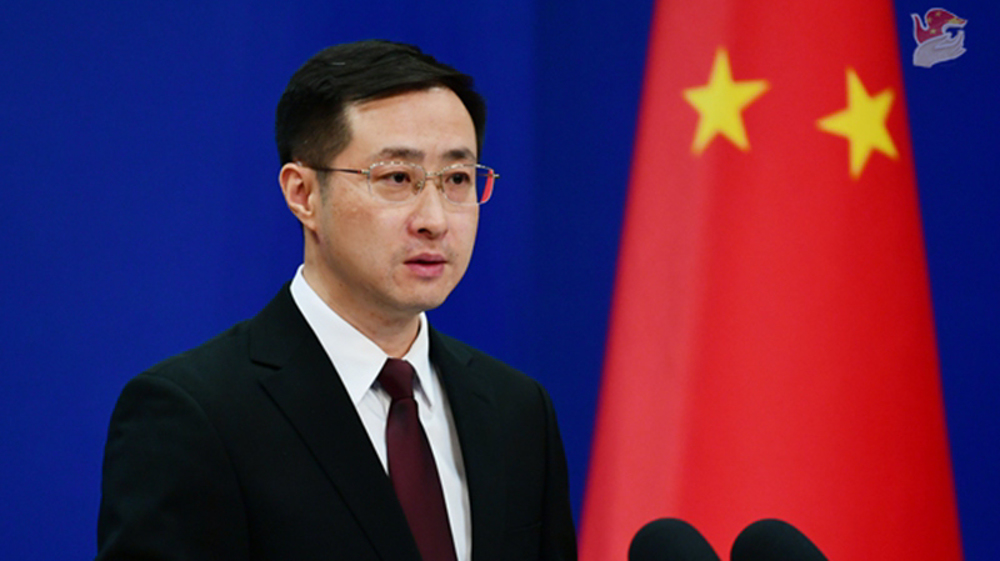
Iran, along with Russia and China, has pushed back. In a joint letter to the UN Secretary General, the three foreign ministers Abbas Araghchi, Sergei Lavrov and Wang Yi, denounce Europe's move as both legally baseless and politically destructive.
The implications are profound. By weaponizing the snapback mechanism, Europe risks burning its final card in the Iran file.
Any hope of acting as a credible intermediary has all but vanished, and in the bigger picture, Europe may have dealt a blow, not only to Iran but to its own security interests in West Asia.
For years, European capitals have insisted they were guardians of diplomacy, defending the nuclear agreement against American sabotage. But by activating the snapback, it revealed a different reality, one of weakness, inconsistency and subordination. Iran sees this as proof that the West does not seek resolution, only leverage.
Iran's legal stance was unprecedented, such as the 1970 UN resolution regarding Namibia, and rests on customary international law and judicial practice.
The principle is that a party that fails to meet its commitments cannot invoke other provisions to assert claims.
Applied to the JCPOA, European states that fail to lift sanctions, impose arbitrary limitations, or support US military interventions cannot legitimately activate articles 36 and 37.
Additionally, the Brussels agreement issued after the US withdrawal, contained 11 commitments from the EU to facilitate Iran's trade, energy, and, shipping needs, while keeping Iran in the JCPOA.
These commitments largely failed in practice, culminating in the non-functional and largely symbolic INSTEX mechanism. This demonstrates that Europe has not fulfilled either its Brussels commitments or its obligations under the JCPOA precedent, strengthening Iran's legal and political position,
Europe, in its bid to matter again, has made itself irrelevant because in the end, the snapback mechanism, or more accurately, snapback machination, may not snap Iran's resolve, but it may snap Europe's credibility instead.
Mr. Kowsari made it abundantly clear that the West should mind its Ps and Qs, as even Iran's patience has a limit.
Does the Iranian parliament have any plans or strategies with which to counter the re-imposition of sanctions against Iran?
The parliament has already taken certain steps, and if Europe continues down this path, we will have no choice but to consider leaving the NPT.
We have so far acted with patience and restraint, trying to avoid such a move, but if they insist on using the snapback mechanism to pressure us, we will certainly take that step.
This matter is under active discussion, including in the national security and foreign policy commission with the Foreign Minister and other officials. If we reach our conclusion, we will act accordingly.
Esmail Kowsari MP, National Security Commision
Majority of Americans oppose war on Venezuela
Medical advances and progress in Iran
Palestine Action proscription review

Iran’s mega water transfer and coastal industrial pivot
Majority of Americans oppose war on Venezuela
Missiles with strike radius beyond Persian Gulf length used in IRGC drill: Parl. speaker
US National Security Strategy is written for Israel: Tehran
VIDEO | Press TV's news headlines
How Lebanese Shiites welcomed Pope Leo XIV in a powerful display of national unity
Iran parliament speaker warns GCC states over repeated island claims
Kremlin welcomes US removal of Russia as ‘direct threat’ from National Security Strategy



 PressTV NEWSLETTER
now
PressTV NEWSLETTER
now

 This makes it easy to access the Press TV website
