Afghanistan four years after Taliban return: Economic crisis, US sanctions, and global isolation

By Press TV South Asia Desk
Afghanistan marks the fourth anniversary of the Taliban’s return to power on Friday — a moment that was precipitated by the collapse of the US-backed government and the end of two decades of foreign military occupation.
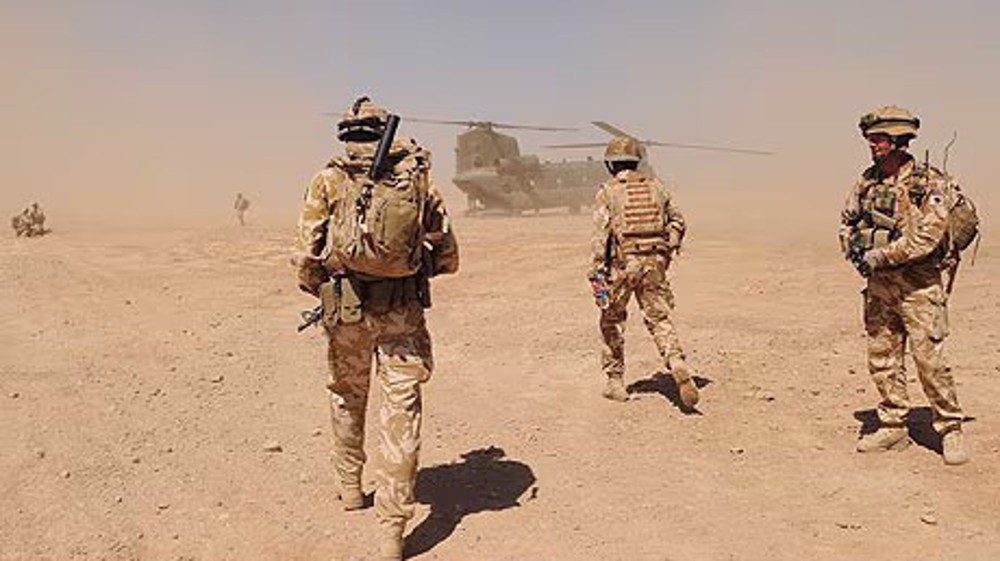
On August 15, 2021, Taliban fighters entered Kabul after a lightning military campaign across the provinces, toppling the administration of Ashraf Ghani and prompting a rapid and chaotic American withdrawal from the country.
Their return came nearly twenty years after the US and its allies invaded the country, citing the need to dismantle Al-Qaeda, destroy the Taliban, and capture Osama bin Laden, the mastermind of the September 11 attacks in the US.
The scenes in those final days again underscored Afghanistan’s reputation as the “graveyard of empires” — from the military campaigns of Alexander the Great in third century BC to the disastrous American intervention in the 21st century.
One image perfectly captured that symbolism: US Major General Chris Donahue, the last American soldier to leave Afghanistan after the botched withdrawal, silhouetted against the night, weary and defeated.
Ghani clearly failed to read the situation. He terribly miscalculated the threat from the Taliban, which is far inferior than his US-trained military, and then he also over-relied on the American help, writes @mehdizafar https://t.co/KpH8JRbR0Q
— Press TV 🔻 (@PressTV) August 16, 2021
Despite its advanced military technology and overwhelming firepower, the US military failed to overcome a guerrilla force armed largely with Kalashnikov rifles.
History had already shown that foreign armies — no matter their strength — rarely leave Afghanistan in glory or triumph.
How the US lost its longest war
The 20-year American military experiment in Afghanistan will be remembered as one of the most costly strategic failures of the past century. The war drained billions from US coffers, fractured public opinion at home, and deepened resentment among Afghans.
The beginning of the end came on February 29, 2020, when the Trump administration, frustrated with the enormous losses and zero outcome, signed a deal with the Taliban, pledging a complete withdrawal from Afghanistan by May 1, 2021.
The agreement, however, failed to calm tensions, and the timeline shifted after Joe Biden took office. On April 14, 2021, Biden announced that the remaining 2,500–3,500 US troops would leave by September 11.
By summer that year, Taliban forces had overrun key cities, often meeting little resistance from Afghan security units left without international backing.
Press TV Interviews senior Taliban official Mullah Khairullah Khairkhwa.
— Press TV 🔻 (@PressTV) August 17, 2021
Watch here: https://t.co/B65Ka522oA pic.twitter.com/XE35WhlLfG
On August 15, 2021, Kabul fell without a fight, as officials fled the country. In the days that followed, desperate civilians swarmed the capital’s airport, seeking evacuation.
The war ended much as it began — in chaos and bloodshed. After fighting the Taliban for two decades, Washington surrendered tamely and allowed the same guerilla group to topple the government it had propped up.
Washington then froze $9 billion in Afghan assets and halted development aid, further crippling the country's economy. In a move widely condemned by Afghans, Biden later diverted part of those frozen funds as compensation for 9/11 victims.
Where Afghanistan stands four years on
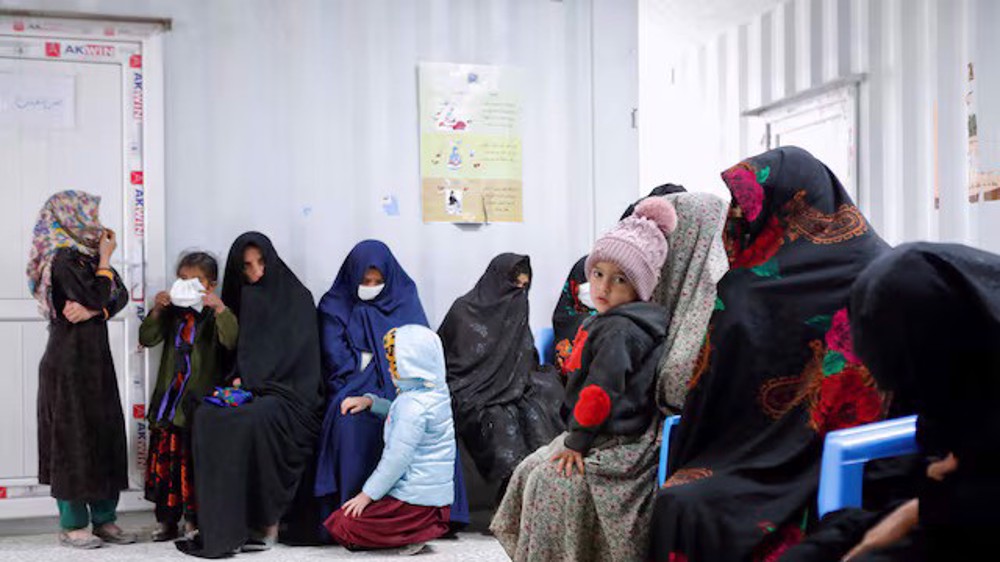
Today, four years after the return of Taliban, Afghanistan faces a worsening humanitarian crisis. UN agencies report that nearly the entire population lives below the poverty line.
The country's banking sector is barely functional, hospitals are under-equipped, and joblessness is rampant, including among university graduates, with many observers attributing it to crippling US sanctions and freezing of Afghan assets.
Many Afghans who fled after the Taliban takeover remain stranded abroad, some still waiting for asylum promised by Western governments, living in temporary accommodation from Islamabad to London.
Gilbert Doctorow says that there is a mentality that the United States can act however it likes without facing justice, given its lack of accountability for aggressive actions in countries like Libya, Syria, and Afghanistan.
— Highlights (@highlightsnews1) May 5, 2023
Follow Press TV on Telegram: https://t.co/7h1TYXZOQt pic.twitter.com/nJFleeHKOW
Meanwhile, this year’s anniversary has again been marked by official events in cities such as Kabul, Khost, Nangarhar, and Kandahar.
Taliban fighters reportedly gathered near the former US embassy in Kabul, waving flags and lighting fireworks. Notably, a military parade once held at Bagram airbase, the former hub of US-led NATO operations, has been dropped from the program.
Taliban leader Hibatullah Akhundzada, in a statement, ordered that the title “acting” be removed from government officials’ positions, declaring that conditions are now “suitable” for rebuilding the nation and claiming the country is free from ethnic, linguistic, and political divisions.
Who has and hasn't recognized Taliban government
The Taliban administration remains largely unrecognized internationally, in part due to its regressive policies on women’s rights and its exclusion of ethnic and religious minorities from the current government.
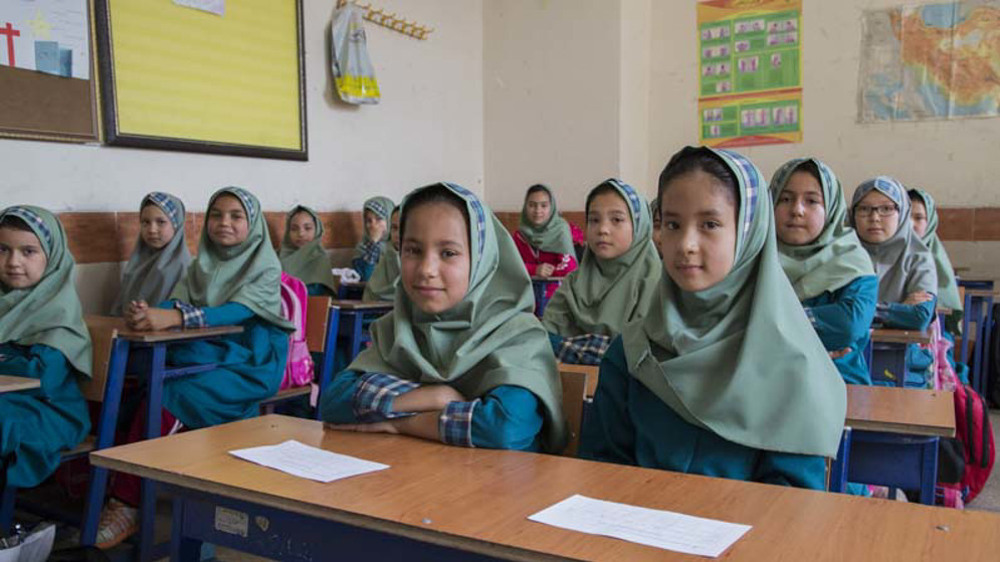
Girls are still barred from secondary schools and universities, a central sticking point for foreign recognition. Many international rights groups have repeatedly raised this concern.
Independent experts appointed by the United Nations Human Rights Council in a report on Thursday called on the international community to not normalize relations with the Taliban authorities and to reject their "violent and authoritarian rule".
Russia becomes first country to recognize Taliban by accepting Afghan envoyhttps://t.co/2e4k46iRga
— Press TV 🔻 (@PressTV) July 4, 2025
"Operating without legitimacy, the Taliban enforces an institutionalised system of gender oppression, crushes dissent, exacts reprisals, and muzzles independent media while showing outright contempt for human rights, equality and non-discrimination," the experts said in a statement.
Nonetheless, diplomatic currents have slowly shifted. Last month, Russia became the first nation to officially recognize the Taliban government, which has also slowly warmed up to China, Qatar, and the UAE.
What are the shifts in Taliban's governance and policy
Despite its authoritarian record, the Taliban government has seen a marked reduction in the widespread corruption that plagued US-backed administrations in Kabul for years.
It has also imposed a blanket nationwide ban on opium poppy cultivation and the trade of all kinds of narcotics, causing a 95 percent reduction in opium cultivation in the country. This has be seen as a major step in global counter-narcotics campaign.
Iranian government officials have consistently urged the ruling establishment in Kabul to boost cooperation in combating drug trafficking, which affects Iran as well.
Taliban press ahead with war on drugs (part-1)
— Press TV 🔻 (@PressTV) April 24, 2024
Abdullah Amirzada reports from Kabul. pic.twitter.com/WxA4GYaJ2X
Until 2021, Afghanistan produced more than 80 percent of the world’s opium, supplying nearly all of Europe’s heroin, which spawned crime and crisis in the South Asian country.
Observers note that during the past two decades (2001-2021) until Taliban's return, US-led foreign forces not only allowed the narcotics trade, but also benefited from it.
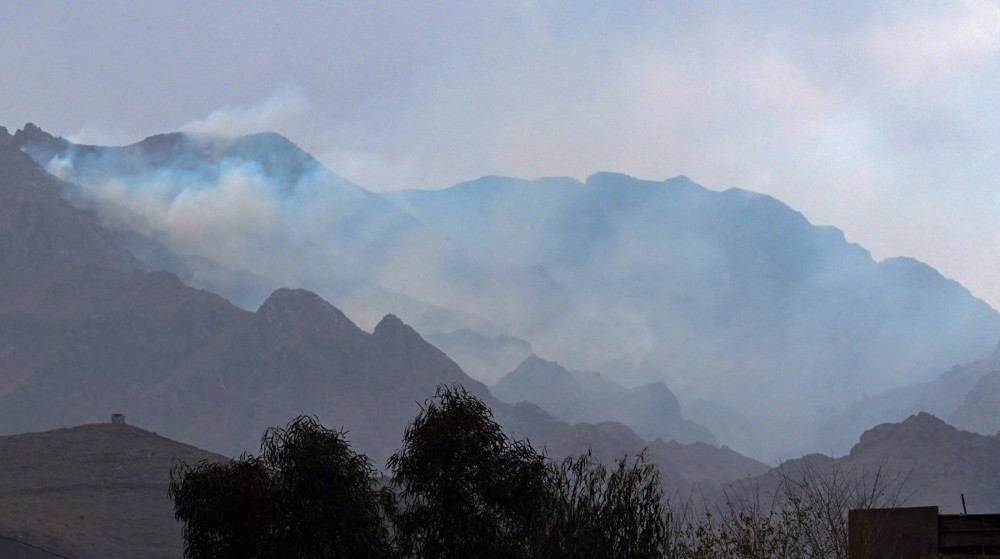
Iran urges restraint, immediate ceasefire as Afghanistan–Pakistan fighting escalates
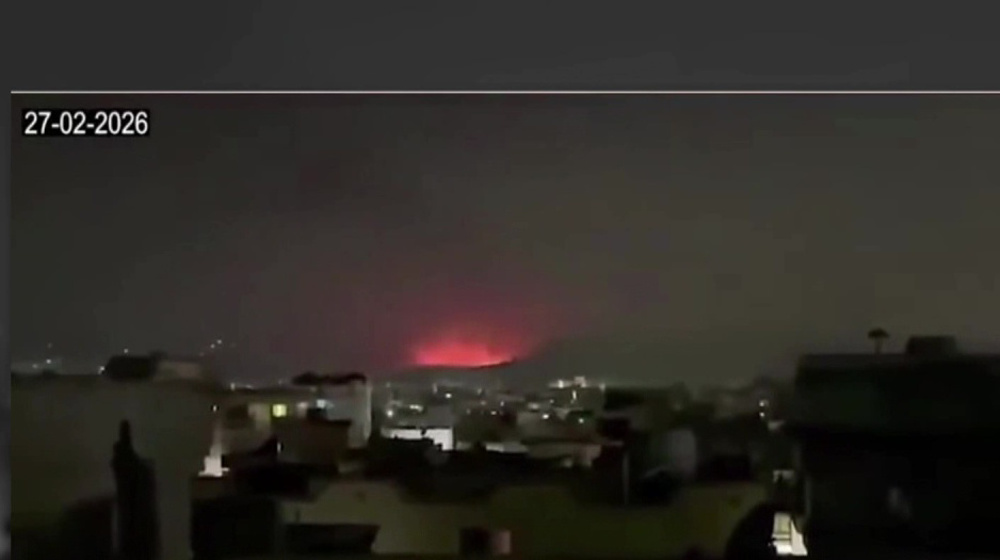
Kabul residents call for calm as tensions escalate with Pakistan
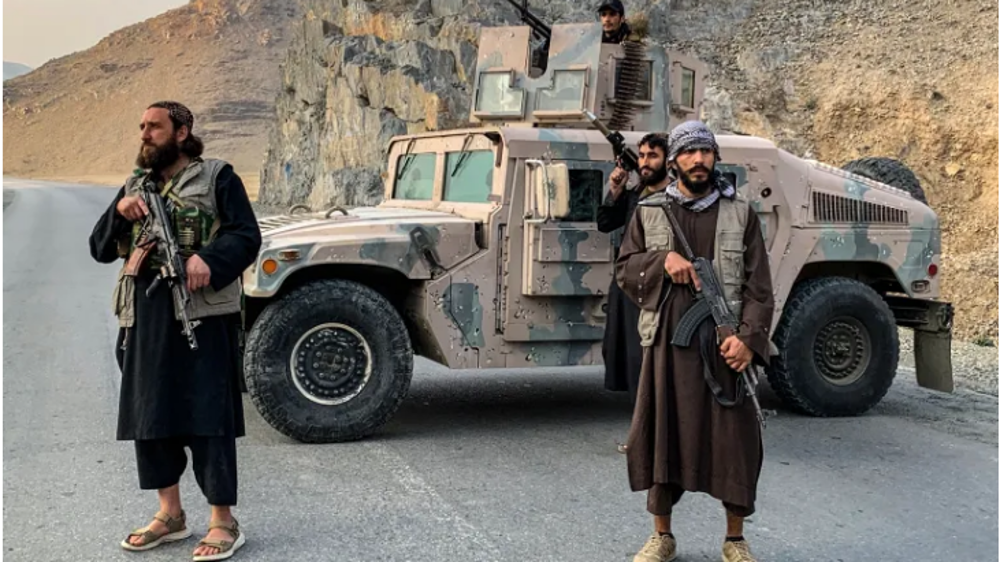
Iran urges Afghanistan, Pakistan to hold dialogue amid new escalation

Iran's Armed Forces: Martyrdom of top security official, Basij cmdr. strengthens nation’s resolve
Russia's president condoles with Iran's Leader over Dr. Larijani's martyrdom
Attack on Iran’s oil infrastructure marks new phase of war: Qalibaf
True Promise 4: Iran and resistance axis ops. against US-Israeli assets on Mar. 18
Assassinations only make Islamic Republic ‘stronger’, aggressors to pay price: Leader
IRGC says regional energy sites linked to US will be reduced to ashes
In Numbers: The civilian toll of US-Israeli aggression against Iran after 19 days
Palestinian resistance factions mourn martyrdom of Iran's SNSC chief Ali Larijani





 PressTV NEWSLETTER now
 This makes it easy to access the Press TV website