Iran’s decision to suspend cooperation with IAEA pushes up oil prices
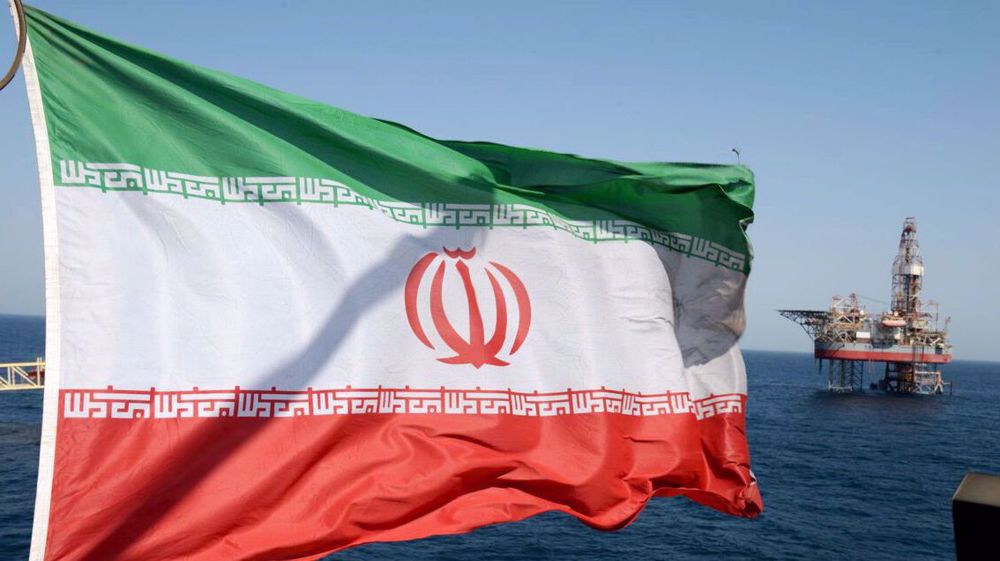
An Iranian government decision to suspend cooperation with the United Nations nuclear agency has pushed up international oil prices.
A Wednesday report by the Reuters news agency said that oil futures had increased hours after Iran suspended cooperation with the International Atomic Energy Agency (IAEA).
Iranian President Masoud Pezeshkian issued a decree on Wednesday ordering the country’s atomic body, foreign ministry, and its top security organization to comply with a law adopted by the parliament on June 25 and endorsed by the country’s constitutional guardian on the same day to suspend cooperation with the IAEA.
The law was adopted after Iran strongly criticized the IAEA and its director Rafael Grossi, for issuing a report on May 31, which accused Iran of failing to comply with its nuclear non-proliferation obligations.
Iran says the report paved the way for an IAEA Board of Governors resolution on June 12, which it says gave the Israeli regime and the US a pretext to attack Iran’s nuclear sites as part of an aggression launched on June 13.
Oil prices rose on Wednesday after the Iranian government announcement was issued, with Brent crude rising 39 cents, or 0.6%, to $67.50 a barrel while US West Texas Intermediate crude edged up 31 cents, or 0.5%, to $65.76 a barrel.
The price rises came despite reports pointing to a planned supply increase by the Organization of the Petroleum Exporting Countries and its allies, including Russia, a group known as OPEC+, for next month.
Reports said that OPEC+ plans to agree on a rise in output of 411,000 bpd in August in a meeting scheduled for July 6. That comes as major oil producers of the group have supplied more oil to the markets in May and June and will continue to do so throughout July.
The increase in prices also came despite efforts by the US to control rising oil prices by raising its crude inventories.
The US Energy Information Administration said on Wednesday that the country’s strategic crude supplies had risen by 3.8 million barrels to 419 million barrels last week.
Experts believe the ceasefire that was brokered between Iran and Israel on June 24 prevented oil prices from reaching historic records of above $130 per barrel.
They say Iran's response to US attacks could have included the closure of the Strait of Hormuz in the Persian Gulf, a move which would affect more than 20% of the global oil supplies and more than 50% of the natural gas supplies exported via ships.
Trump’s economic D-Day: Seven decades of US defeat against Iran
Iran’s race to develop giant Azadegan oil field

Iran’s renewable energy gains momentum after fourfold surge



Iran’s military chief honors medical personnel for sacrifices in recent wars
VIDEO | Press TV's news headlines
Reclaiming ‘Avicenna’: Islamic theology, Eastern wisdom behind Ibn Sina’s philosophy, metaphysics
Any attempt to cause strife among Iraqi Shia factions doomed to failure: Top cleric
VIDEO | Hawk Fire in Nevada grows to over 10,500 acres; state of emergency called
EU not ruling out new sanctions against Israel: German foreign minister
Pakistani army chief to visit Iran on Monday to help boost regional peace: Tehran
Gunmen abduct scores of worshippers from mosque in Nigeria


 PressTV NEWSLETTER
now
PressTV NEWSLETTER
now
 This makes it easy to access the Press TV website
