UN says there are 258 million migrants in world today

The United Nations (UN) has estimated that 258 million people have left their native countries and are currently residing in other nations, a 49-percent rise since 2000.
In a biennial report released on Monday, the UN Department of Economic and Social Affairs also said that the number of international migrants marked a small percentage of the world’s population, and on that scale, the number had climbed by just over half a percentage point since 2000 — from 2.8 percent of the world’s population then to 3.4 percent in 2017.
According to the report, the percentage of migrants living in high-income countries also increased from 9.6 percent in 2000 to 14 percent in 2017.
All 193 UN member states, including the United States, adopted the New York Declaration for Refugees and Migrants in September 2016, which underlines that no one country can manage international migration on its own.
Member states also agreed to implement well-managed migration policies and committed themselves to share the burden of hosting refugees more equitably and to protect the human rights of refugees and counter xenophobia and intolerance toward them.
The UN report further said that high-income nations hosted 64 percent of the international migrants across the globe in 2017, which amounts to nearly 165 million people.
This year, the report added, two-thirds of the migrants were living in just 20 countries. The largest number — 49.8 million, or 19 percent of the global total — live in the US.
According to the report, Saudi Arabia, Germany, and Russia are hosting the second, third, and fourth largest number of migrants , respectively, while Britain stands in fifth place.
It said migrants have contributed to population growth in North America and Oceania, and that without the migrants, the population of Europe would have declined from 2000 to 2015.

Trump withdraws US from 66 international organizations

The Year That Was: Wars, genocide, protests, scandals – events that defined 2025
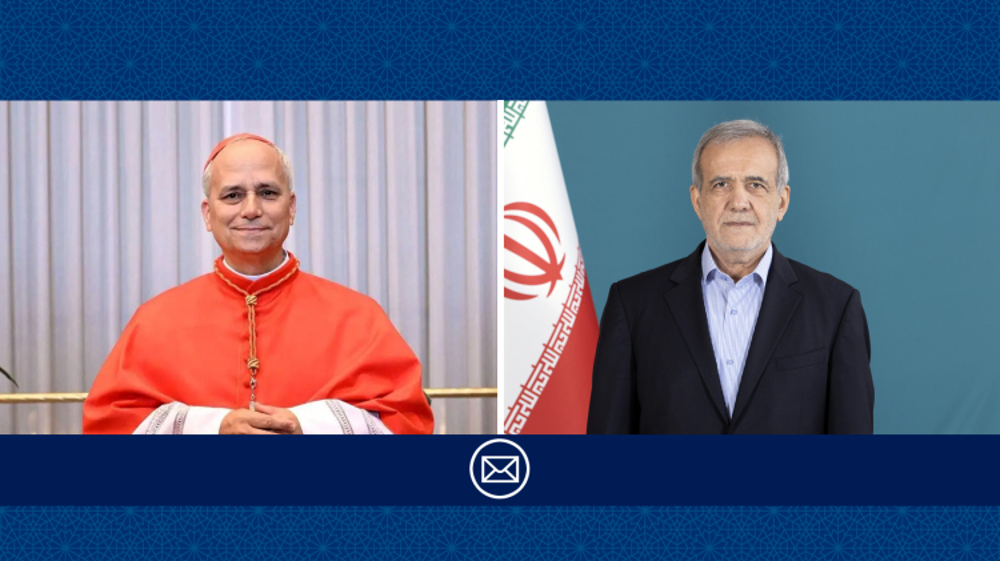
Iran president offers Christmas, New Year greetings to Pope



Iran's Armed Forces: Martyrdom of top security official, Basij cmdr. strengthens nation’s resolve
Russia's president condoles with Iran's Leader over Dr. Larijani's martyrdom
Attack on Iran’s oil infrastructure marks new phase of war: Qalibaf
True Promise 4: Iran and resistance axis ops. against US-Israeli assets on Mar. 18
Assassinations only make Islamic Republic ‘stronger’, aggressors to pay price: Leader
IRGC says regional energy sites linked to US will be reduced to ashes
In Numbers: The civilian toll of US-Israeli aggression against Iran after 19 days
Palestinian resistance factions mourn martyrdom of Iran's SNSC chief Ali Larijani




 PressTV NEWSLETTER now
 This makes it easy to access the Press TV website