US aiming to defuse China, Russia veto power after Iran deal

The US ambassador to the United Nations has suggested that Washington is working on a mechanism to deal with Chinese and Russian veto power in regard to sanctions against Tehran.
On Tuesday, Samantha Power spoke to the House Foreign Affairs Committee of a snap-back mechanism that would prevent Beijing and Moscow from using their veto power at the UN following an agreement between Tehran and the global powers, including the United States.
Washington and its allies will "not allow snap-back to be left in the hands of Russia or China," she said.
She added that the administration of US President Barack Obama would reject any deal that does not include inspection of Iran’s military sites.
Tehran has repeatedly said that it would not agree to non-coordinated inspections of military sites as part of the comprehensive nuclear deal with the six countries, also including Russia, Britain, China, France, and Germany.
Inspection of Iran’s military sites remains an issue as a self-imposed June-end deadline approaches.
Tehran and the Sextet of world powers reached a mutual understanding over Iran’s nuclear program in the Swiss city of Lausanne in early April following months of negotiations.
Power's remarks appeared to be in response to some US lawmakers who, under pressure from the Israeli lobby, have been trying to block a nuclear deal with Tehran.
“The Congress is bought; the Senate’s bought,” according to Dean Henderson, the author of Big Oil & Their Bankers In The Persian Gulf, who told Press TV in a May interview that the Obama administration is “trying to move away from these neocons”.
NT/NT
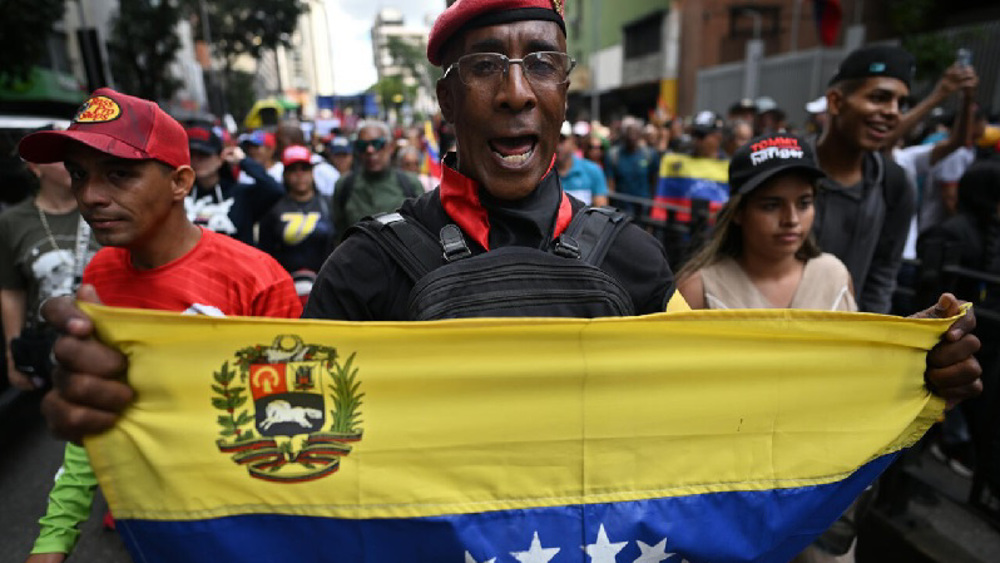
Rome protests Maduro abduction by US
Venezuela to deliver 30-50 million barrels of oil to US: Trump
Donald Trump: An anti-establishment rebel or gangster in a suit?


China slams ‘bullying’ US demand for exclusive Venezuela oil partnership
Russia deploys submarine as US attempts to seize oil tanker in Atlantic
Magnetic revolution: Iran’s nano-solutions driving cleaner and greener oil industry
Deadly clashes erupt in Syria’s Aleppo as US-backed SDF forces defy HTS rule
FM Araghchi: Iran’s internal affairs solely matter of its people
Iran army chief: Enemy threats will not go unanswered
Iran: Israeli FM’s visit to Somaliland a ‘dangerous precedent’
Rome protests Maduro abduction by US


 PressTV NEWSLETTER now
 This makes it easy to access the Press TV website